
3012
In 1795, Immanuel Kant drafted a "project for perpetual peace" designed to eradicate war forever. For the German philosopher, as for all of us, only peace guarantees well-being and happiness. And what if this were not so? What if war were the ideal condition for humanity? In the year 3012 AD, men have lived in peace for centuries; yet feelings of solidarity, loyalty, and friendship have dissolve
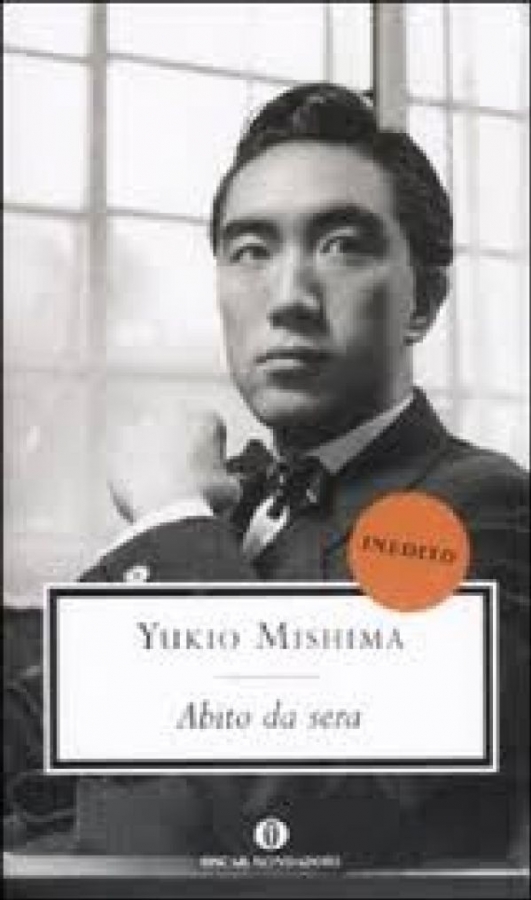
Evening dress
The novel is set in 1960s Japan, when the upper and middle bourgeoisie is becoming Americanized, flirting with Western customs, eager to forge international ties. Ayako is the daughter of a minor yet rising pharmaceutical entrepreneur: she has “amiable” features. > Over those features, even with fashionable makeup, hovered harmony and freshness, and her face, by no means plump, gave the impress

Accabadora
Maria is a *fillus de anima*, > that is what they call children born twice, of the poverty of one woman (who gives them away) and the barrenness of another (who welcomes and raises them). In our case, Maria has been “adopted” by Tzia Bonaria, an elderly widow. The novel’s first part, the most accomplished, recounts Maria’s childhood and adolescence, and in particular her gradual acquaintance
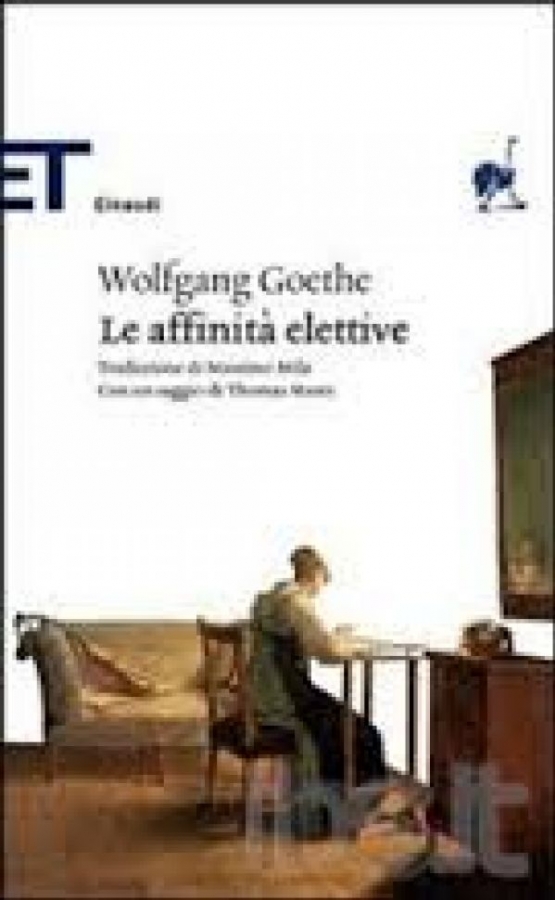
Elective Affinities
In early nineteenth-century Germany, Eduard and Charlotte are two wealthy landowners. Though they loved each other in their youth, they married late in life, after both had been widowed. They possess differing temperaments that seem to complement each other perfectly: Eduard is “in the prime of manhood,” impetuous, generous, but superficial and at times reckless; Charlotte is reflective, patient
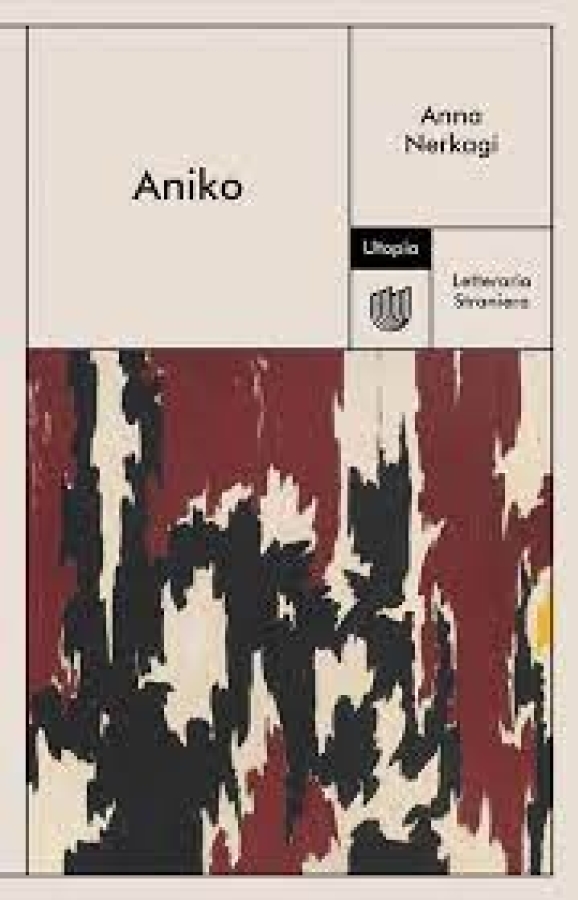
Aniko
The Nenets are a people of just over 40,000 individuals, settled in the northeastern part of the Ural region: their economy is fundamentally based on reindeer herding. Like many young Nenets, Aniko left to study far from her homeland: first at a boarding school in the nearest town, then further away still, to study geology at the university. She assimilated Russian language and culture to the poin

Dead Souls
> Blessed is the writer who, leaving aside characters that are tedious, repulsive, striking in their sorrowful reality, approaches characters that reveal the highest qualities of man..... > Sublime, universal poet they proclaim him.... > far different is the fate of the writer who dares evoke into the light all that is forever before our eyes, yet which indifferent eyes do not perceive: the enti
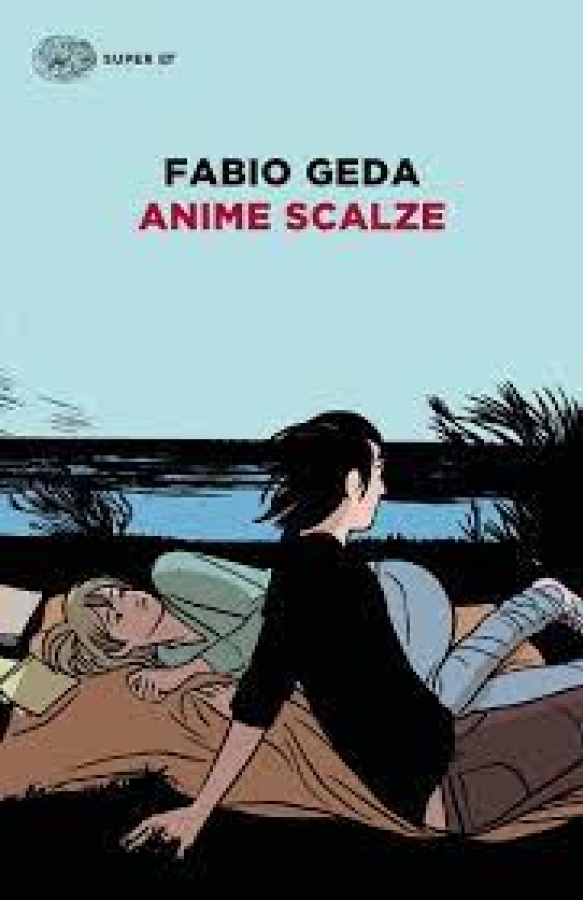
Barefoot Souls
The story opens with Ercole and his little brother Luca on the roof of a shopping mall, with the police yelling at them to come down. From the narrative, we learn that Ercole is fifteen years old, living with his older sister Asia and an absent father who takes whatever work comes his way and frequently gets into trouble. Ercole knows full well that Asia «was strong, yes, brave, but not indestruct

A Girl Returned
> My mother from the sea died on the top bunk, on one of those nights. Looking at her, she did not seem ill, perhaps just a little greyer than usual. (...) At the funeral, the other mother accompanied me. PoorAdalgisa poorAdalgisa, she repeated, wringing her hands. But then they threw her out; her nylon stockings were all laddered and she couldn't attend the service in that state. This dream

The Art of Joy
In the final pages of the book, Modesta, the novel’s protagonist, is accused by her son of never having loved him, > because you lived for everyone, always on the go, damn you, talking and acting familiar with everyone . And Modesta answers him indirectly a few pages later, confessing that “in my eager thirst for life, I ran too far ahead in my mind.” The account of Modesta’s life resembles a

Ascension
In Greek mythology, Sisyphus is condemned for eternity to push an enormous boulder up to the summit, only to watch it roll back down into the valley and then be forced to haul it to the top once again. For Albert Camus, the myth of Sisyphus shows us how > the struggle itself toward the heights is enough to fill a man's heart. (...) At this subtle moment, when man turns back toward his life, a ne
Waiting by the Sea
The impetus to read Biamonti came to me from a poem by Montale: *Riviere*. In this masterpiece, the Ligurian landscape serves as the occasion for memories, for regret, and also for new dreams. And Pietrabruna, too—the village perched between mountains and sea to which the protagonist returns—evokes conflicting emotions: > the hills trembled in contact with the vault of the sky, shaken by a den
Augustus: a Novel
John Williams wrote three widely acclaimed novels: *Butcher's Crossing* in 1960, *Stoner* in 1965, and this biography of Augustus in 1972 (with this entry, all of his books have now been reviewed on this site). Williams is an exceptionally talented writer who continually reinvents his style, adapting it to the story and the characters. In this case, the author constructs the plot through letters w
The Adventures of Pinocchio
As soon as one begins reading Collodi’s book, the mind immediately turns to a masterpiece: Gianni Rodari’s *The Adventures of Cipollino*. To our sensibilities, Pinocchio’s tale feels moralistic, with an underlying theme seemingly remote from us: > today (though too late!) I have had to convince myself that to earn an honest penny one must know how to make it, either through the work of one's ow
The Ballad of the Empty Bed
Kate lives in Dublin and is a middle-aged university lecturer. One day, she finds her husband dead in the bathroom and discovers herself buried in debt, hounded by creditors and banks. The man with whom she shared most of her life in an increasingly weary relationship was a scoundrel. > I wake up this morning with an awful headache, my new man had just left me a room and an empty bed . It is Be

The Boy on the Train
All too often we forget the importance of places for our lives, for the shaping of our feelings, for the transmission of an individual and collective memory. As Paolo Casadio observes, walls, objects, and landscapes have the task of bearing witness to the past, of making it outlive ourselves, even if > walls know, but they can never say anything, only bear such a heavy burden in their mute immo
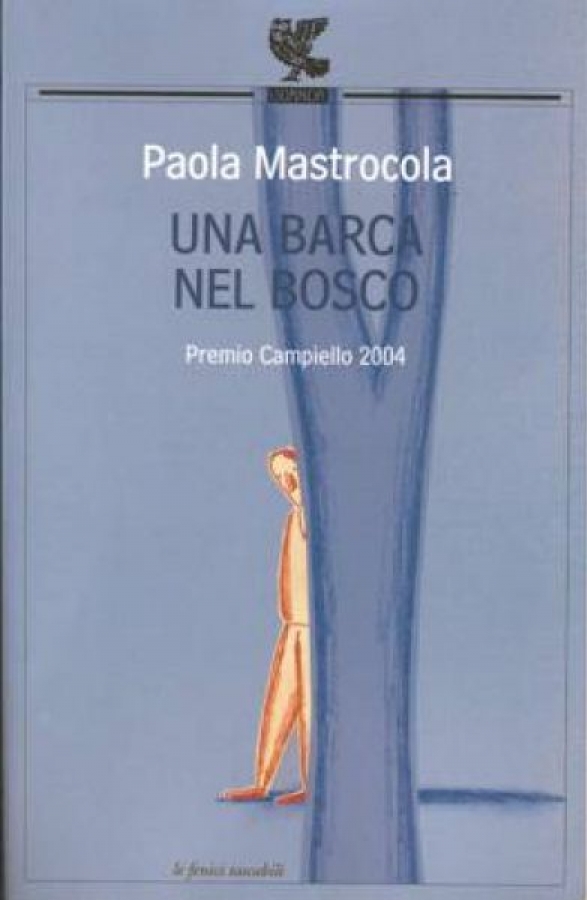
A Boat in the Woods
Gasparre lives on an island and is the son of a weigher. He excels at school, particularly in Latin, and moves to Turin with his mother to pursue his studies. At high school, he soon realizes that the teachers themselves demand conformity and integration, regarding him with apprehension as a student who is “too good.” Mediocrity is the hallmark of the school system, and Gasparre’s life is defin

The Good Life and Others' Wars of Mr. Pyle, Gentleman
Imagine a Martian sent to Earth to understand what Humans are doing: whether war is to be expected or if we may hope for peace, which would allow interstellar commerce to continue. On the one hand, this visitor, bewildered yet indifferent (Earthlings' problems, after all!), would glean only a muddled impression; on the other, he might be an inquisitive traveler, somewhat horrified by our squalor a

Berlin: The Fires of Tegel
In a Berlin still divided by the Wall, a virus has wiped out all adults. The sole survivors are girls and boys under the age of eighteen; once they reach that threshold, the fate of the grown-ups awaits them as well. > They procured food through hunting: they had learned to build traps for rabbits; to dig pits to snare wild boars and deer. (...) They had taken over urban vegetable gardens, tryin
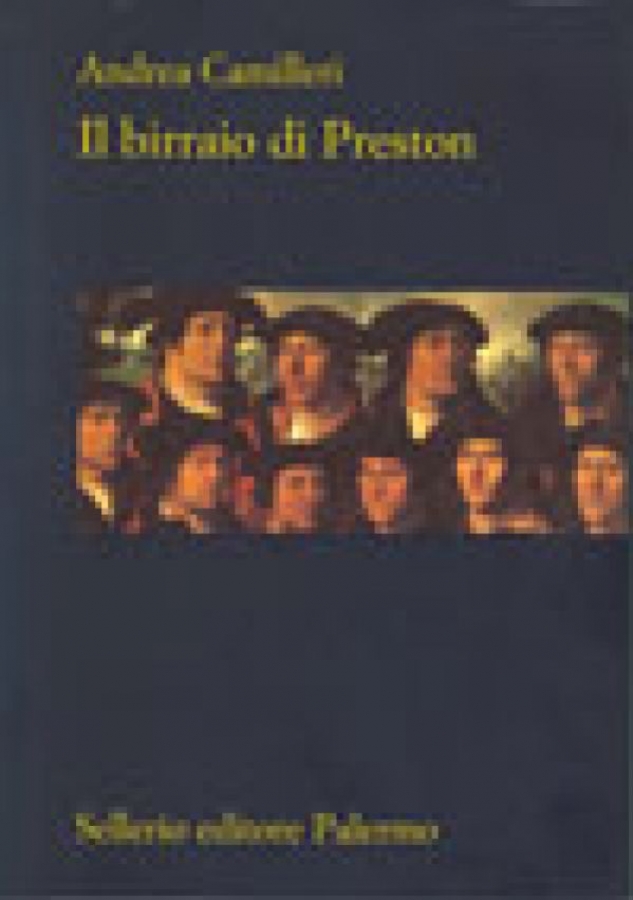
The Brewer of Preston
The initial premise is a true event that took place in 1875 in Sicily. The prefect of Caltanissetta, a Florentine, insisted that the town’s new theatre be inaugurated with a virtually unknown opera, namely *The Brewer of Preston*. Numerous disturbances ensued, left largely unresolved by the inquiry that followed. Taking this real-life occurrence as his point of departure, Camilleri crafted a no

Good Conduct
Kosovo is a small Balkan state, nestled between Serbia and Albania: it declared independence from Serbia in 2008 and is inhabited by an overwhelming Albanian majority, alongside a Serbian minority along the border with Serbia. The latter has not recognized Kosovo, and the Serbian community lives in a state of suspension, in constant tension with the Albanians. In Sumor, the small village where the
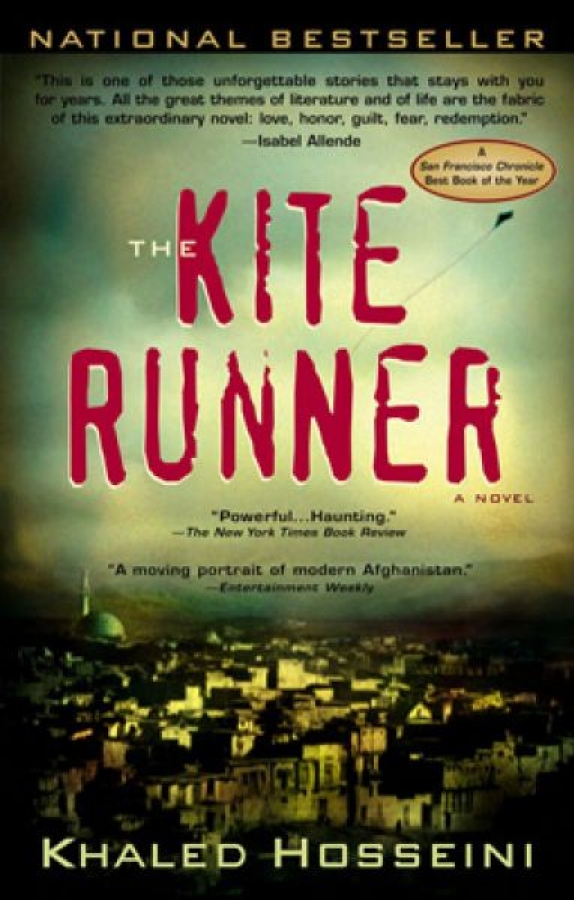
The Kite Runner
It would be wrong to think that this novel is about Afghanistan, which nonetheless constitutes its frame of reference. The theme of the book is cowardice. Amir lives in a fine house in Afghanistan with his father, an important and courageous man, and two servants, Ali and his son Hassan. The latter is Amir’s childhood friend, whom Amir treats with arrogance, albeit tempered by brotherly affecti
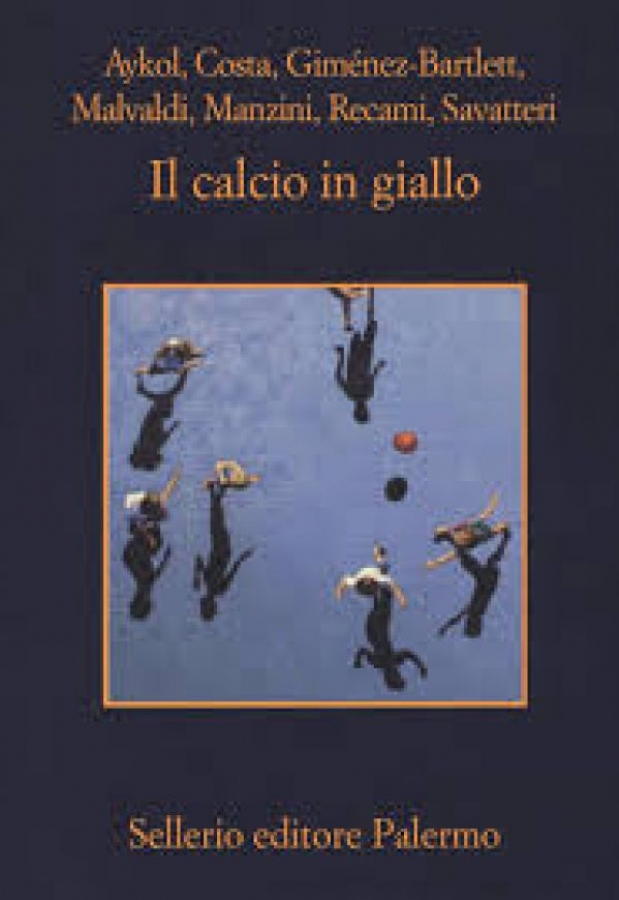
Football in Yellow
The book brings together football-themed short stories by various noir writers, some well-known—such as Aykol, Giménez-Bartlett, Malvaldi, and Manzini—others less familiar: Gian Mauro Costa, Francesco Recami, and Gaetano Savatteri. The plots, characters, and writing styles vary, yet a common thread emerges: football, even at the amateur level or played in the minor leagues, is invariably a sordid
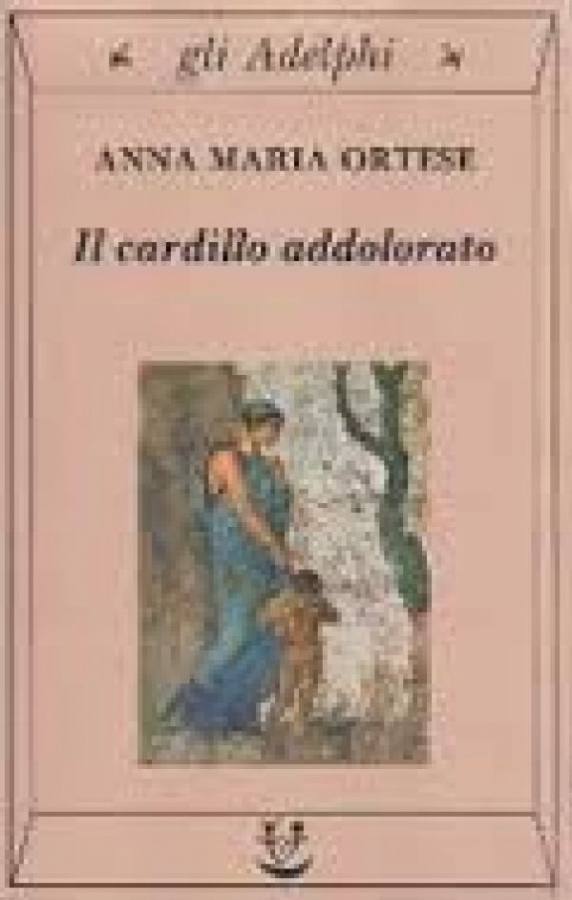
The Lament of the Linnet
The novel revolves around a question to which the reader cannot find an exhaustive answer: who is the "Cardillo Addolorato", and what role does this omnipresent and obscure figure play among so many characters? And what is the meaning of the verses that recur throughout the tale, up to its seemingly tragic conclusion: «e vola vola vola lu Cardillo! e vola vola vola... oh! oh!»? To answer, one mus
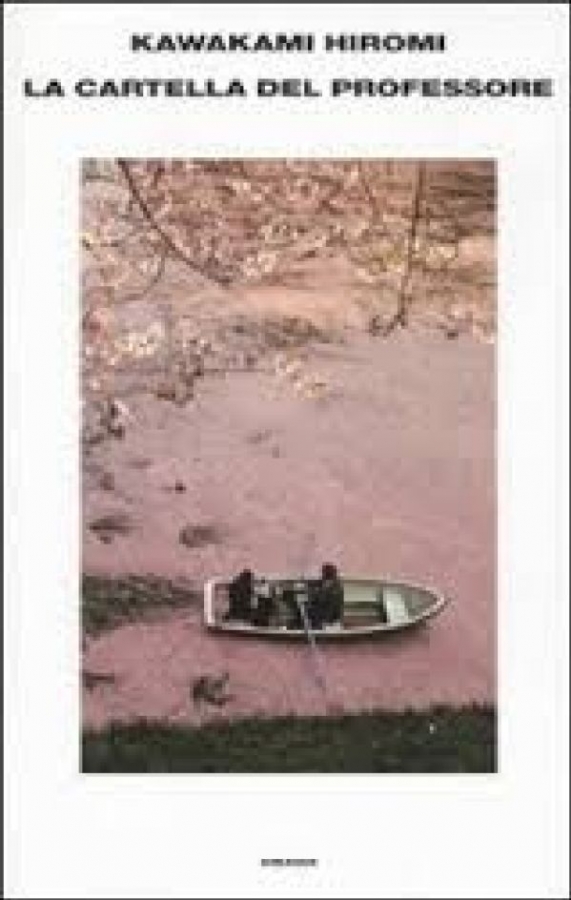
The Professor's Briefcase
Let us imagine a young woman, somewhere between her thirties and forties. She was never a brilliant student, she works a monotonous office job, she has had a few romantic relationships that nevertheless came to nothing. She is alone. > All alone I took the bus, all alone I walked the streets, all alone I did my shopping, all alone I went for a drink (...). A cheerful life. Sad. Pleasant. S