Finished reading on: December 16, 2006
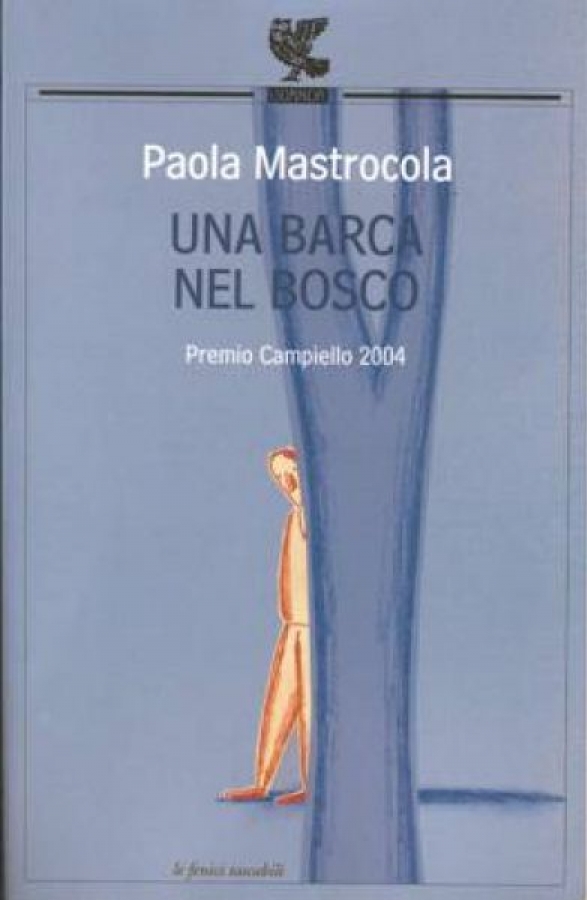
A Boat in the Woods
Title of the original version reviewed: «Una barca nel bosco»
AI Translation Notice: This review was translated from the original Italian using artificial intelligence. Book quotes and excerpts are translated interpretations and will not match the author's original English phrasing or official published translations.
Gasparre lives on an island and is the son of a weigher.
He excels at school, particularly in Latin, and moves to Turin with his mother to pursue his studies.
At high school, he soon realizes that the teachers themselves demand conformity and integration, regarding him with apprehension as a student who is “too good.”
Mediocrity is the hallmark of the school system, and Gasparre’s life is defined precisely by his fraught adjustment to this prevailing social value.
Disillusioned, he earns a law degree but opens a bar, implicitly rejecting culture and formal education.
Yet, in plants, he finds an outlet for his quest for freedom and self-expression, turning his home into a woodland.
The opening of the book is thoroughly engaging: the young student’s experiences, the discovery of the school and the metropolis, the encounters with his peers, and the struggle to be accepted.
It is a delicate telling of a story that could belong to any young person.
The style is linear and simple, highly effective.
Then the book veers toward the paradoxical, toward an escape into a New Age ethos—that of salvation through nature—which, though the author may not realize it, is itself a token of conformity.
The style, too, grows heavier, and the rhythm becomes prolix.