Finished reading on: July 23, 2006
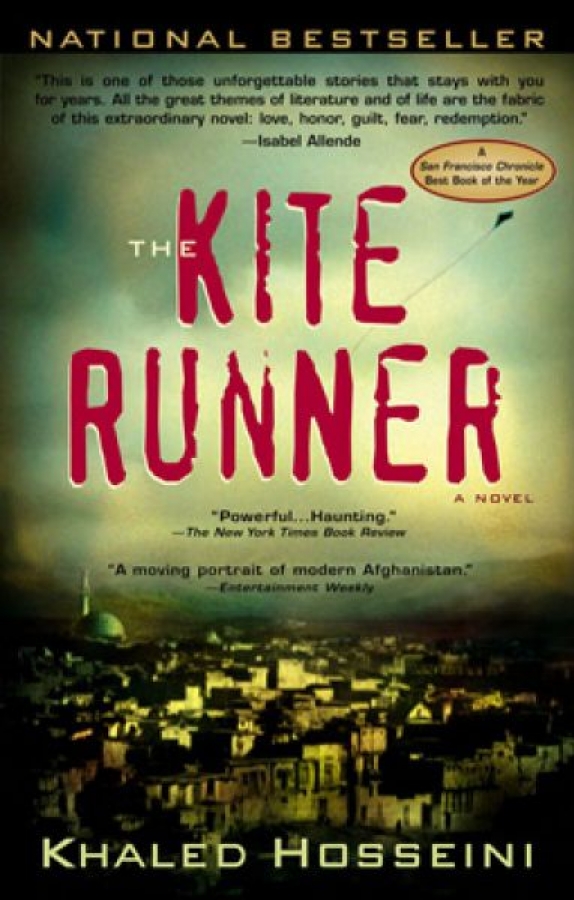
The Kite Runner
Title of the original version reviewed: «Il cacciatore di aquiloni - The Kite Runner»
AI Translation Notice: This review was translated from the original Italian using artificial intelligence. Book quotes and excerpts are translated interpretations and will not match the author's original English phrasing or official published translations.
It would be wrong to think that this novel is about Afghanistan, which nonetheless constitutes its frame of reference.
The theme of the book is cowardice.
Amir lives in a fine house in Afghanistan with his father, an important and courageous man, and two servants, Ali and his son Hassan.
The latter is Amir’s childhood friend, whom Amir treats with arrogance, albeit tempered by brotherly affection, believing himself superior in caste and culture, and envious of his father’s affection for Hassan.
Amir and Hassan are champion kite runners, and on the very day of Amir’s greatest triumph—having won the kite tournament—he fails to intervene to save his friend, who is beaten and raped by Assaf.
Amir is a coward, and this guilt haunts him throughout his life, even when he is forced to move to America, marries, and becomes a renowned writer.
Only by returning to Afghanistan to rescue Hassan’s son will Amir succeed in redeeming his own cowardice, discovering along the way that his father—to him, an unattainable, flawless figure—was not blameless either, having never told him that Hassan was his brother.
The first hundred pages of the book, which recount Amir’s childhood in a peaceful and happy Afghanistan, are very fine, written in a delicate and poetic style.
Subsequently, the book loses its luster, ultimately losing its way in the final twenty pages, which recount how the protagonist manages to bring the child to America.
The closing scene, a kite tournament in America, is predictable and trite, partly undermining the spiritual and narrative depth of the novel.
In this final section, the only scene of real impact is Amir’s fight with Assaf, who has become a ruthless Taliban commander and reduced the boy to his sex slave.
Assaf is beating Amir to death, yet Amir is content because he is finally freeing himself from the guilt that has haunted him all his life; he is ultimately saved by the intervention of the boy, who strikes Assaf with a slingshot.