
Panic Syndrome in the City of Light
The novel opens with a paradoxical and amusing scene: an eccentric publisher summons his authors to a Parisian café for a "live reading" of their manuscripts. He read them while "expressing himself": > he was capable of biting his tongue, gnashing his teeth, whistling... (...) his lips were in perpetual motion, in a continuous slaughter, (...) even his nose played a role during these readings, (

The Emerald
In New York, the author meets a strange character, a gemstone expert or perhaps a magician, who convinces him to go to a French village, where he will find an emerald that will reveal his future. The author is persuaded, partly intrigued by what this strange character tells him, partly because he hopes to track down an old flame, Mariolina, and present himself with a jewel of great value. Arrivi

Smoke
It is a short story. The setting is the rural society of the American South. An authoritarian father has effectively driven his two sons from the property: the younger because he had demanded the partition of the land, the elder because he can no longer tolerate his father. While the younger lives as a hermit, the elder goes to live with a cousin. The father dies, seemingly killed by a horse,

Dreams at dawn of the urban cyclist
The novel opens in its initial chapters with two seemingly parallel storylines. On the one hand, it recounts the most pivotal episodes in the life of an adolescent, his circle of friends, and his neighborhood in Porto Alegre. The boy perpetually courts risk, yet fails to display genuine courage: thus, he does not come to the aid of a friend who is murdered by a rival gang. There emerges in the

The Dream of the Celt
Roger Casement was born in 1864, in the century of the West’s conquest of the world—of that which styled itself as civilization. And the young Roger believes firmly in this civilizing and adventurous spirit, to the point of deciding to go to the Congo, then a land of Belgian conquest. Yet there, reality confronts him in a profoundly different way: > those poor people whipped, mutilated, those
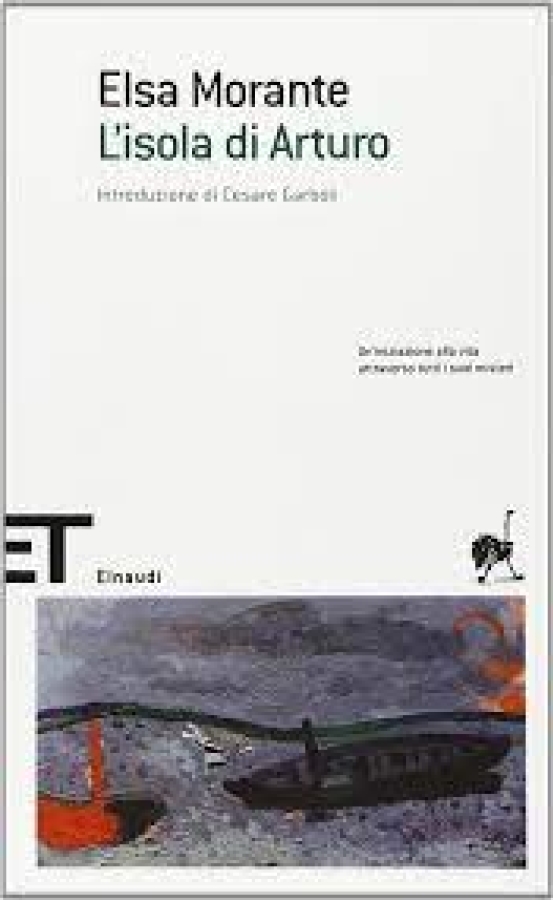
Arturo's Island
> One of my earliest boasts had been my name. I had soon learned (it was he, I think, who first informed me of it) that Arturo is a star: the swiftest and most radiant in the figure of Boötes, in the northern sky!. Thus begins Arturo Gerace’s long quest for Love: > an indecipherable dilemma, without the solace of hope, or of revenge ; a quest that, to unfold, required an enchanted place like Pr

Solar
Michael Beard was awarded the Nobel Prize when he was barely in his twenties. He himself cannot fathom the reasons for such a prestigious accolade (perhaps the committee confused him with Sir Michael Bird?), but ever since, > like a castaway, he had clung to this solitary plank, seeing himself as a privileged being . The novel has little to do with science and solar energy; rather, it primaril

Soldiers of Salamis
> In 1989, my first novel had been published; (...) the book was met with utter indifference. What followed was a prolonged depression and the breakdown of my marriage, until, coming to the rescue of the failed writer, arrived the sensual Conchi and the miraculous story of Rafael Sánchez Mazas. The former was a fortune-teller, > who was crazy about dating a journalist (an intellectual, she calle
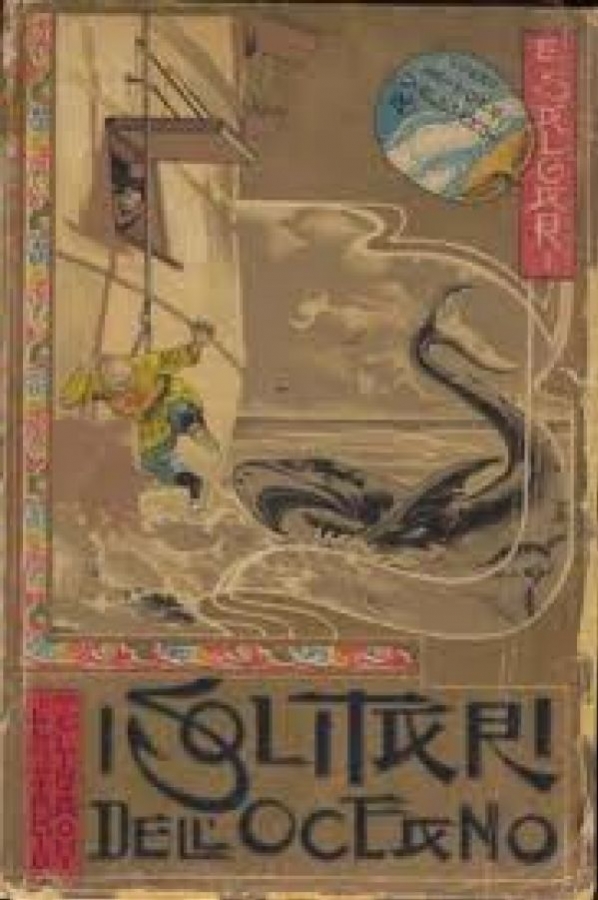
The Solitaries of the Ocean
Salgari wrote over eighty novels, and not all of them possess the same literary quality. In this case, two hallmarks of the author’s pen are absent: the pulse of adventure and the exotic, yet often captivating, depiction of the setting. The opening is promising. In the mid-nineteenth century, the slave trade is replaced by the recruitment of Chinese laborers, who supply South America with cheap

The Kreutzer Sonata
During a long train journey, the passengers begin a discussion on the institution of marriage. Can there be spiritual affinity in married life, or is it nothing more than > a horrifying hell, on account of which one ends up an alcoholic, shoots oneself, or commits murder ? The conversation is abruptly interrupted when a traveler declares that he is “the one who, fancy that, killed his wife.”
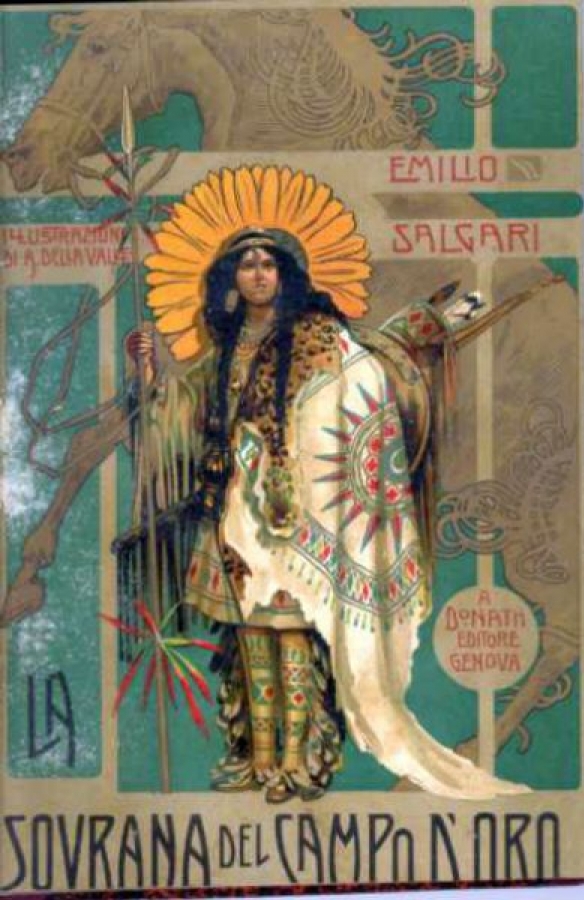
The Sovereign of the Golden Field
This novel belongs to the Western cycle. Influenced by the figure of Buffalo Bill, Salgari developed a series of stories set against the historical backdrop of the mythical conquest of the West, amidst heroic figures, savage Indians (Apaches and Navajos), and American villains. A young woman (the Sovereign of the Golden Field), whose father has been abducted by bandits demanding a hefty ransom,

Spaccanapoli
The book is a collection of short stories written between 1943 and 1947, expressing the author’s effort to reckon with reality, with the lush, carnal, amoral, and shrewd humanity of that “Babel of history” that is Naples: hence, in all likelihood, the title *Spaccanapoli*, the thoroughfare around which the city’s life has always gravitated. Let it be said at once that this reckoning with reality w
A Spiral of Mist
La vita è > una specie d'inganno, cui ci si addestra, questo mentire a se stessi su se stessi , sfuggendo (...) «la sconosciuta e torbida paura della rivelazione». Come in *Open City* di Teju Cole (vedi la recensione in questo sito), nel quale il protagonista dimenticò persino di aver violentato una ragazza perché «per me sono sempre l'eroe» (ma «il piacere della negazione non è stato possibile

A Spiral of Mist
Life is > a kind of deception, one trains oneself for, this lying to oneself about oneself , fleeing (...) “the unknown, murky fear of revelation.” As in Teju Cole's *Open City* (see the review on this site), where the protagonist even forgot having raped a girl because “for myself, I am always the hero” (yet “the pleasure of denial was not available to her”), this novel also investigates > t

Stamboul Train
The novel recounts the journey from Ostend to Istanbul of a group of travellers: a female journalist with her lover, a young Jewish merchant on a business trip, a thief turned murderer despite himself (on the run), a famous political fugitive, and a young woman named Coral. During the journey, adventures and love stories intertwine, in particular the romance between the young merchant and Coral,
The Kimono Room
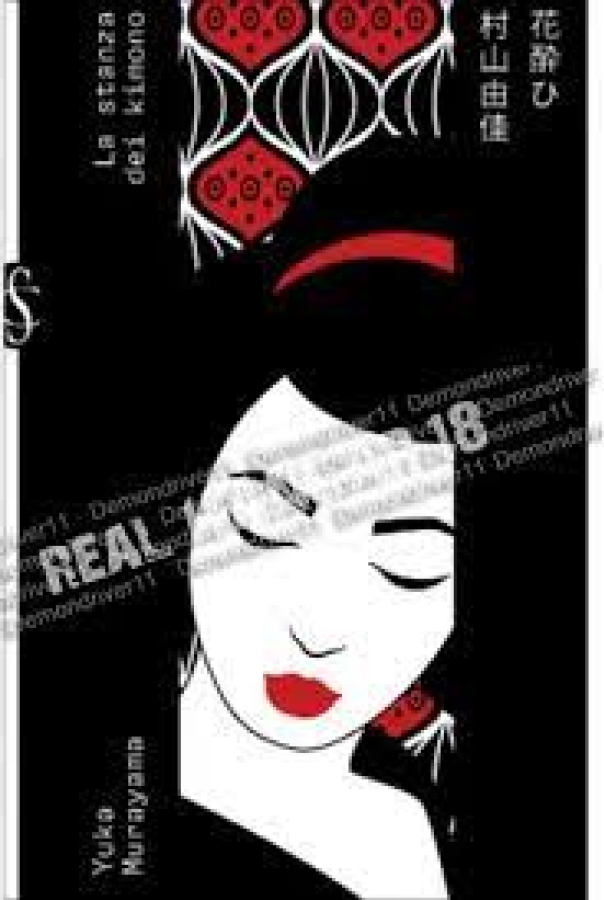
Asako works for a company specializing in wedding ceremonies. Her father's illness forces her to leave a well-paying job to devote herself to the family kimono shop. > She had been intimately familiar with kimonos since childhood, but nowadays almost no one wears them, except for the most important ceremonies. An anachronistic folklore, destined in any case for decline, a luxury permitted only t
The Bishop's Bedroom
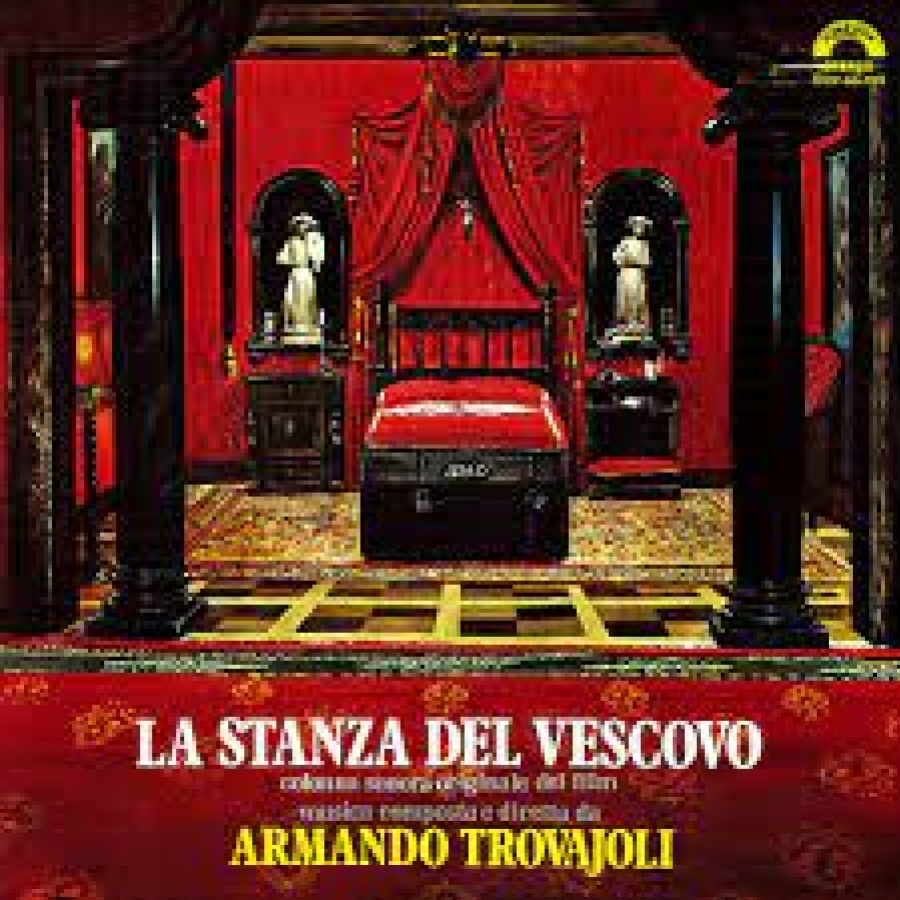
> In the late afternoon of a summer day in 1946, at the helm of a large sailboat, I arrived at the port of Oggebbio on Lake Maggiore . In a few words, the author captures the atmosphere of the entire novel: the immediate post-war period with its yearning to reclaim one's prime years, lost to the war or in prison camps; the freedom of sailing without ever returning home, like modern-day Odysseuses
Star of the Sea: Farewell to Old Ireland
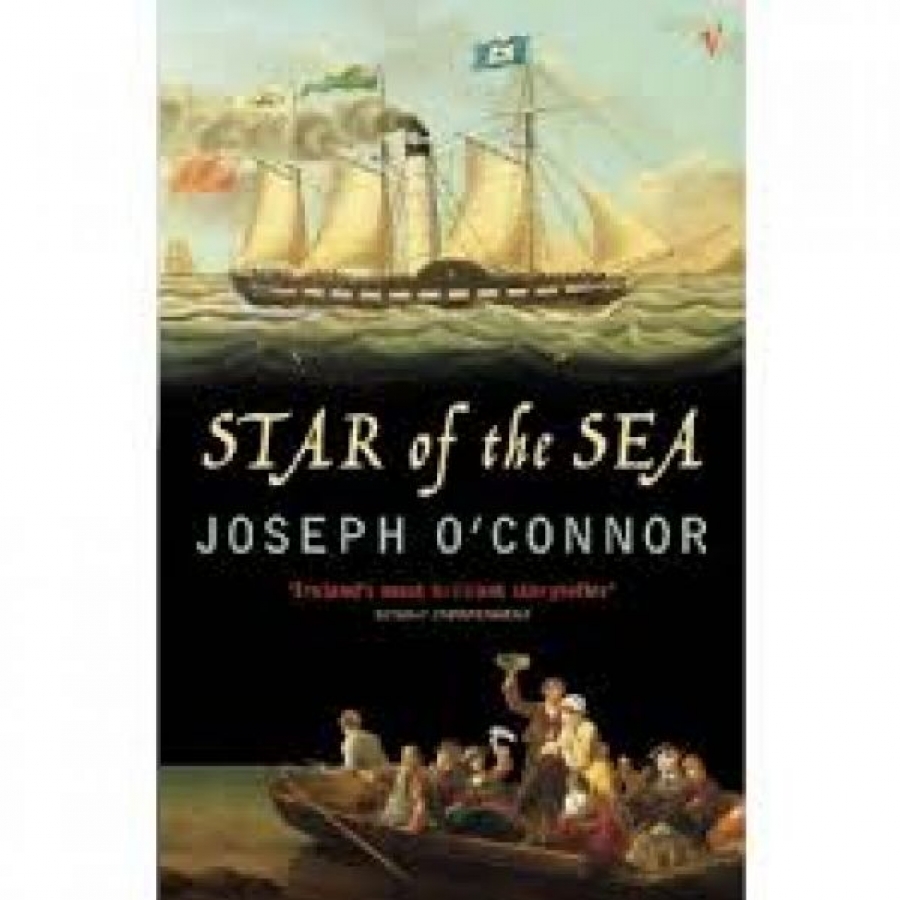
Between 1845 and 1849, a famine struck Ireland, giving rise to massive emigration toward Great Britain, the United States, and Canada. It was an enormous mass of people pushed to their absolute limits, malnourished and afflicted by typhus, tuberculosis, and cholera, already reduced to poverty and starvation in previous years by the rapacious policies of the landlords. The novel aims to recount t
The Star of Araucanía
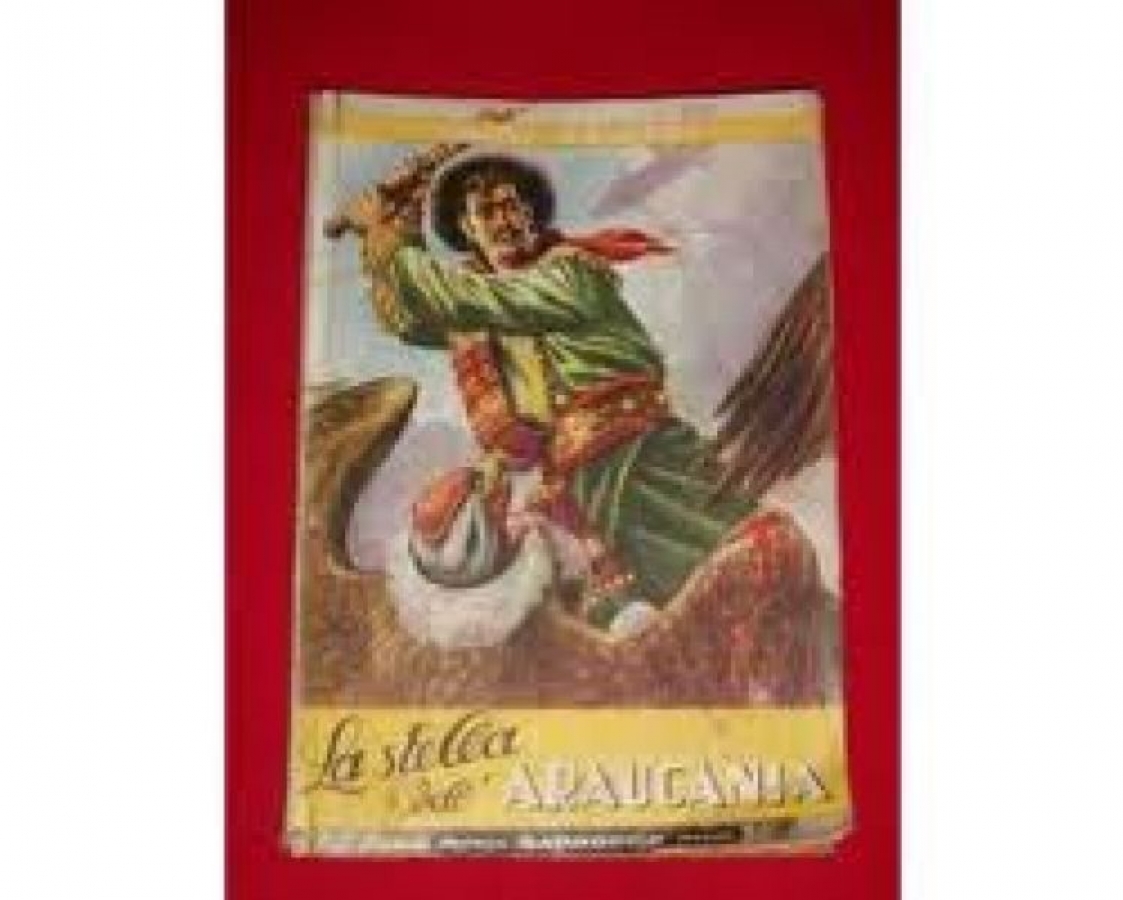
The star of Araucania is the young Mariquita, “of marvelous beauty,” who, between the two cousins, Piotre and Alonzo, chose the latter—more gentle and elegant than his coarse, brusque counterpart. Fate dictates that Alonzo is shipwrecked in the wild lands of Tierra del Fuego, and only Piotre’s ship can brave the sea during the terrible winter of the Strait of Magellan. In a dramatic encounter, t

A star crowned with darkness
On May 28, 1974, in Piazza della Loggia in Brescia, a bomb killed eight people and wounded one hundred and two. > Eye to eye, she waves to him. Just then, the bomb explodes. A roar. Then smoke (light grey, white, pale blue, pages upon pages of witness testimonies, poignant, grueling...)... Livia must have felt practically nothing. The image she took with her is the smiling blue eyes of her
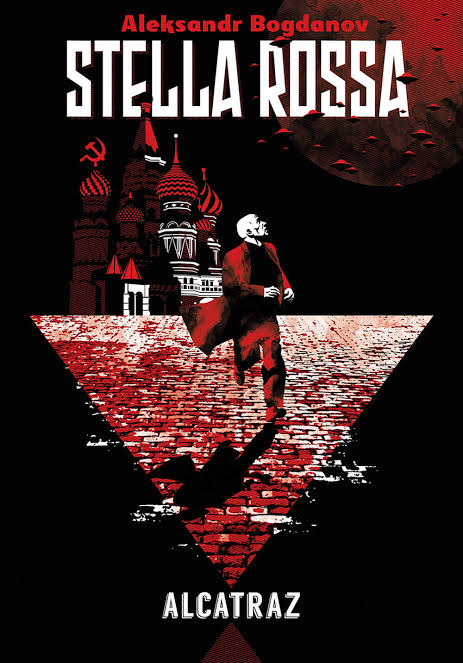
Red Star: A Utopian Novel
In an unspecified year (though let us assume it is 1908), a Martian presents himself to the revolutionary and scientist Aleksandr Bogdanov, inviting him to come to Mars to study its society and disseminate superior Martian values on Earth. The Red Planet possesses a flawless organization that makes it possible, for instance, to assign to each individual the work most useful to the community while
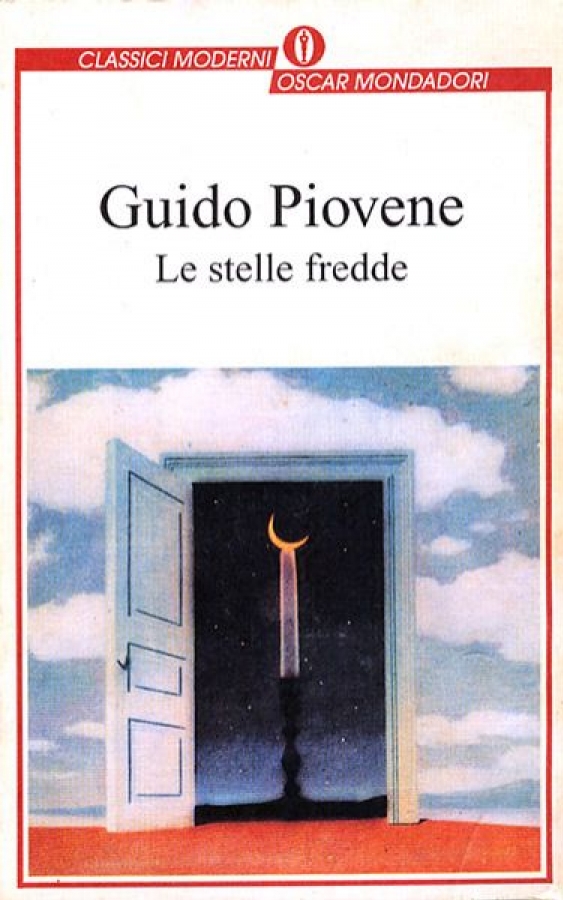
The Cold Stars
This is a highly complex book, in certain respects difficult to interpret, with pronounced philosophical undertones. The protagonist, an advertising executive, decides to abandon his job and the city to change his life, returning to the countryside where he owns a house. At the moment of making this decision, his attending physician introduces him to a young girl—entirely normal and very bright—
Stoner
The novel chronicles the obscure career of a professor of English literature. William is the only son of a modest farming family. At the cost of great sacrifices, his parents sent him to study agriculture, in the hope that he would one day return with what he had learned to improve the management of the land. At university, the young Stoner falls in love with literature, and with books. Above
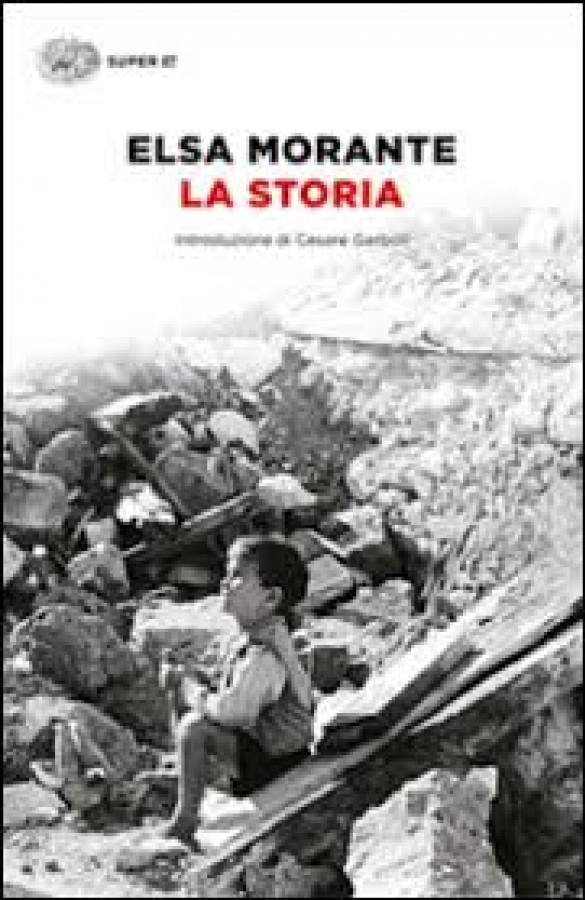
History
> There is no word, in any human language, capable of consoling the guinea pigs who do not know the reason for their death (a Hiroshima survivor). Elsa Morante places this quotation as an epigraph to the novel, indicating that her aim is to recount the victims during a dramatic and painful period of our recent history: the years between 1941 and 1947. It would nonetheless be mistaken to think on