Finished reading on: July 17, 2011
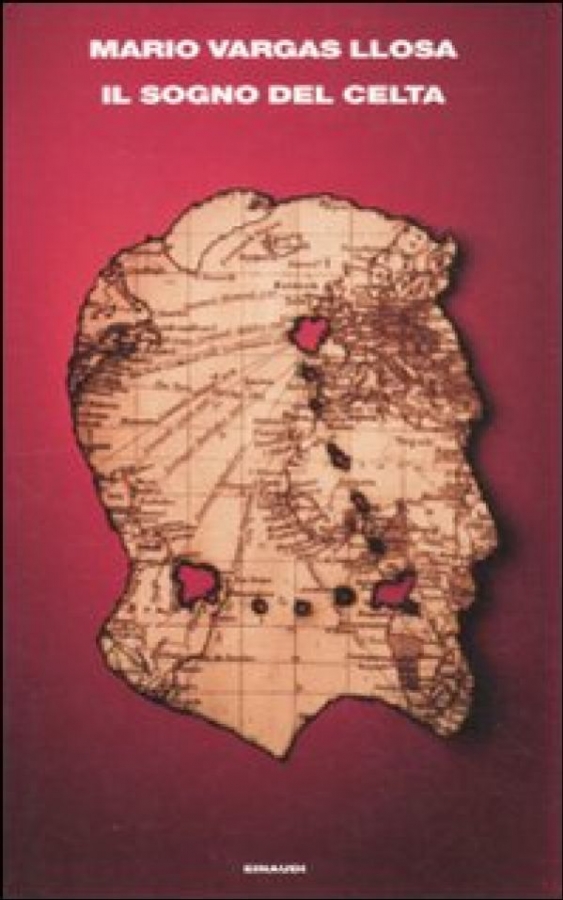
The Dream of the Celt
Title of the original version reviewed: «Il sogno del Celta»
AI Translation Notice: This review was translated from the original Italian using artificial intelligence. Book quotes and excerpts are translated interpretations and will not match the author's original English phrasing or official published translations.
Roger Casement was born in 1864, in the century of the West’s conquest of the world—of that which styled itself as civilization.
And the young Roger believes firmly in this civilizing and adventurous spirit, to the point of deciding to go to the Congo, then a land of Belgian conquest.
Yet there, reality confronts him in a profoundly different way:
those poor people whipped, mutilated, those children with hands and feet severed, dying of hunger and disease.
Those beings squeezed to the point of extinction and murdered on top of that.
Thousands, tens, hundreds of thousands.
By men who had received a Christian upbringing.
I saw them go to Mass, pray, take communion, both before and after committing those crimes.
Perhaps in those years I lost my mind.
And everything that happened to me afterwards was the work of someone who, even if he did not realize it, was mad
.
Yet Roger still believes in Western civilization and thus devotes his life to denouncing the crimes perpetrated against these peoples.
First in the Congo and then in Brazil, he carries out an investigation on behalf of the British government into the conditions of exploitation and the atrocities being committed.
His name becomes famous in Britain and the United States, to the point that he is conferred the title of baronet.
Yet it is easy to stand on the side of justice when it concerns distant lands, subject to the dominion of other powers—in this case, Belgium and Peru.
It is far harder to confront what lies close at hand, such as Ireland.
Roger is Irish, and he decides to dedicate the final years of his life to the struggle for his country's independence, going so far as to pursue the mad scheme of seeking assistance from Germany during the First World War.
He is arrested in 1916 and sentenced to death.
The life of Roger Casement is recounted in the form of a novel, but here Vargas fails, or refuses, to transfigure history.
The result is a well-written chronicle, yet one that neither offers a documented inquiry shedding light on the facts and motives of such a singular and momentous figure, nor manages to impart to the reader the sense of suffering and disillusionment that must somehow have dominated the protagonist.
It is, without question, an indictment of colonialism, yet it remains merely that, without ever truly stirring the conscience.
Why read it? The sole reason is to discover a truly singular and remarkable figure.