Michele Prisco
Books by this author (2)
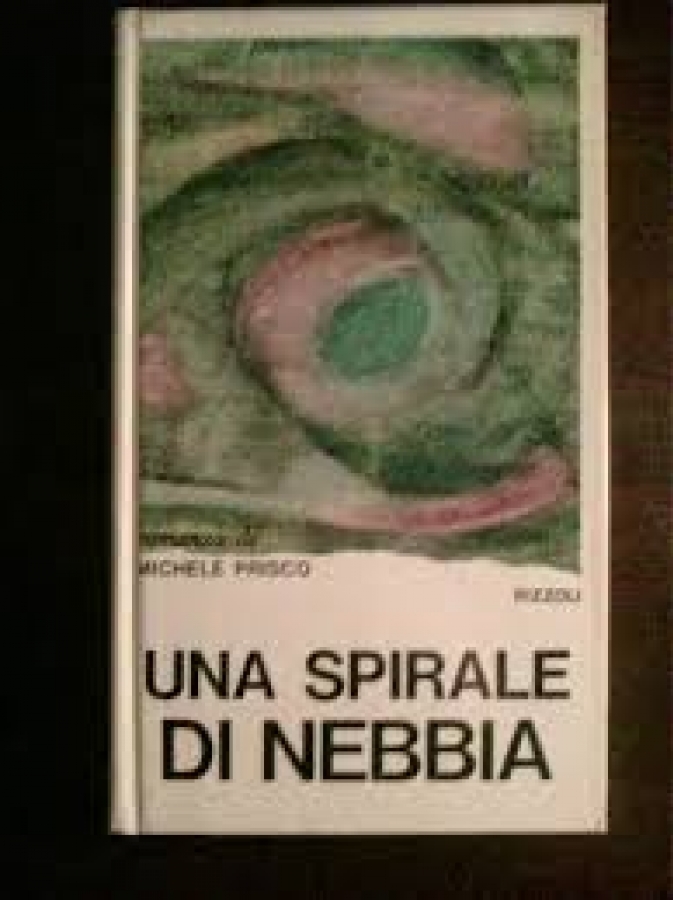
A Spiral of Mist
La vita è > una specie d'inganno, cui ci si addestra, questo mentire a se stessi su se stessi , sfuggendo (...) «la sconosciuta e torbida paura della rivelazione». Come in *Open City* di Teju Cole (vedi la recensione in questo sito), nel quale il protagonista dimenticò persino di aver violentato una ragazza perché «per me sono sempre l'eroe» (ma «il piacere della negazione non è stato possibile per lei»), pure questo romanzo indaga > quella profondità misteriosa e segreta fatta d'emozioni inespresse, di verità celate agli occhi di tutti . L'indagine assume la forma apparente del giallo. Valeria, la moglie milanese di Fabrizio Sangermano, una potente famiglia campana, è rimasta uccisa durante una battuta di caccia col marito: un incidente o un omicidio? C'è un commissario, ci sono numerosi personaggi che dovrebbero aiutare a dipanare la vicenda, ma non è questo che interessa all'autore: la morte di Valeria dovrebbe essere quel fatto traumatico che potrebbe finalmente dissolvere la nebbia dei sentimenti umani. Si sviluppano una serie di ritratti. Assistiamo alla riunione di famiglia, che discute sconcertata e preoccupata il possibile coinvolgimento di Fabrizio che trascinerebbe nello scandalo il clan Sangermano; la discussione termina a un istante quando il nonno, il gran vecchio, > fece un cenno con la mano e poi disse: sono contento d'aver previsto la conclusione di questo nostro incontro , (...) nello studio si rifece il silenzio, zii e cugini assunsero l'espressione compunta che avevano imparato ad assumere alla perfezione dopo tanti anni di allenamento e di acquiescenza: facce attente indifferenti inespressive di persone a un tratto svuotate della loro più intima personalità > . Maria Teresa, una Sangermano che rischiava di restare zitella, ha sposato per volontà della famiglia un noto avvocato della Curia: un uomo stimato e influente. Il matrimonio non è stato mai consumato perché lui è impotente e quando lei ne viene a conoscenza (è stata ingannata dalle sue bugie), pur sapendo che deve infischiarsene dello scandalo, pur ripetendosi che non deve cedere, disse, come in sogno senza rendersene conto«che andava bene così,»non se ne parli più, non avere paura > . E che fa l'illustre avvocato della Curia? Fa mettere incinta la domestica per dimostrare che lui non è impotente e può chiedere lo scioglimento del matrimonio per colpa della moglie; e la moglie si chiude nel silenzio come estremo atto di dignità. Ci sono altre storie di inganno, di ipocrisia, di cose non dette, in certi casi semplicemente frutto di quel monotono meccanico corso«della quotidianità, il quale allontana»irreparabilmente dall'essenza della vita, dallo scoprire che cosa veramente la vita sia, come succede a tanti milioni d'individui che crescono e vivono vite brevi o lunghe ma consacrati, si direbbe, per costituzione o incapacità o chissà che altro, a una specie di perpetua rinunzia alla vita > . E' un approccio mortifero, che non poteva che non concludersi con un ritratto inquietante del funerale di Valeria, lei come morta finalmente parte della famiglia Sangermano, che l'aveva respinta in vita. Il nonno si trovava in piedi fra l'altare e un inginocchiatoio in un atteggiamento compassato«: era veramente commosso o fingeva? E i Sangermano sono tutti intorno, malgrado»nessuno piange, nessuno s'è commosso: ma era proprio necessario commuoversi? (...) E adesso ritornava la nebbia, (...) forse saliva proprio dalla terra senza alcun altro compito che questo di smussare ogni rilievo e confondere annullare almeno per il tempo della sua presenza anche loro: non loro persone fisiche, ma i risentimenti e le passioni e le speranze e le pene e le paure e insomma il nodo fitto inestricabile dei sentimenti. > Il romanzo è come sospeso: non c'è un finale e soprattutto la narrazione non si evolve, resta impigliata nell'introspezione psicologica dei personaggi, scavati fino in fondo, sezionati nei loro sentimenti ma senza empatia; d'altra parte non c'è dinamismo nella vicenda umana, tutto è rinchiuso nella superficialità delle relazioni sociali, nella rassegnazione di un destino individuale già segnato dalla società. Ricorda le gabbie esistenziali di Andre Dubus, i cui racconti non si sviluppano perché i protagonisti sono prigionieri dei rapporti interpersonali e delle loro menzogne ( si veda in questo sito *Separate Flights and other stories* e *Dirty Love*). Al di fuori delle vicende umane incombe un contesto grigio, non tempestoso, ma piovoso e nebbioso: > più che pioggia era una polvere d'acqua e cadeva adagio senza rumore come se fosse la nebbia a sciogliersi in una leggera e umida peluria d'argento . E' un romanzo degli anni '60 ma la distanza stilistica rispetto ad oggi è abissale. Il «bell' italiano» del Liceo Classico invade l'articolazione sapiente delle frasi, la sua ricca punteggiatura, gli aggettivi ben scelti e ben collocati, le parole ricche di potenzialità espressive. Talvolta si è avvinti ma alla fine si capisce che l'autore pregusta la sua abilità con un narcisismo che pare dire: vedete come sono bravo! E noi sentiamo una intensa nostalgia per Cesare Pavese, per la sua scrittura sobria, scevra di virtuosismi. Forse non riusciamo più a scrivere come Prisco, e come Moravia, però è meglio cosi: la nostra lingua ne ha guadagnato in termini di leggibilità e fruibilità. Perché leggerlo? Bisogna godersi la scrittura, è comunque una bella lingua.
A Spiral of Mist
Life is > a kind of deception, one trains oneself for, this lying to oneself about oneself , fleeing (...) “the unknown, murky fear of revelation.” As in Teju Cole's *Open City* (see the review on this site), where the protagonist even forgot having raped a girl because “for myself, I am always the hero” (yet “the pleasure of denial was not available to her”), this novel also investigates > that mysterious, secret depth made of unexpressed emotions, of truths concealed from everyone's eyes . The investigation takes on the outward guise of a detective novel. Valeria, the Milanese wife of Fabrizio Sangermano—a powerful Campanian family—is killed during a hunting trip with her husband: an accident or a murder? There is a police commissioner, there are numerous characters supposed to help unravel the plot, but that is not what interests the author: Valeria's death should be that traumatic event capable of finally dissolving the fog of human feelings. A series of portraits unfolds. We witness the family gathering, bewildered and worried as they debate Fabrizio’s possible involvement, which would drag the Sangermano clan into scandal; the discussion comes to an abrupt halt when the grandfather, the grand old man, > waved his hand and then said: I am glad to have foreseen the conclusion of this meeting of ours , (...) silence fell once more in the study, aunts, uncles, and cousins assumed the contrite expression they had learned to master to perfection after so many years of training and acquiescence: attentive, indifferent, expressionless faces of people suddenly emptied of their most intimate personality > . Maria Teresa, a Sangermano who risked remaining an old maid, married a prominent Curia lawyer at the family's behest: an esteemed and influential man. The marriage was never consummated because he is impotent, and when she finds out (having been deceived by his lies), even knowing she should not give a damn about the scandal, even repeating to herself that she must not yield, she said, as in a dream, without realizing it “that it was fine this way,” speak no more of it, do not be afraid > . And what does the illustrious Curia lawyer do? He impregnates the housemaid to prove he is not impotent and can file for the dissolution of the marriage on the grounds of his wife’s fault; and the wife retreats into silence as a final act of dignity. There are other tales of deception, of hypocrisy, of unsaid things, in certain cases merely the result of that monotonous, mechanical course “of everyday life, which leads” irreparably away from the essence of life, from discovering what life truly is, as happens to so many millions of individuals who grow up and live short or long lives, yet consecrated, one might say, by constitution or incapacity or who knows what else, to a kind of perpetual renunciation of life > . It is a mortiferous approach, which could only culminate in an unsettling portrait of Valeria's funeral, she, as a corpse, finally part of the Sangermano family that had rejected her in life. The grandfather stood between the altar and a kneeler in a sedate posture “: was he truly moved or feigning? And the Sangermanos are all around, although” no one weeps, no one was moved: but was it really necessary to be moved? (...) And now the fog was returning, (...) perhaps it rose right from the earth with no other purpose than to smooth over every contour and confuse, annul, at least for the duration of its presence, even them: not their physical bodies, but the resentments and passions and hopes and sorrows and fears, in short, the dense, inextricable knot of feelings. > The novel feels suspended: there is no resolution, and above all, the narrative does not evolve; it remains tangled in the psychological introspection of characters excavated to their core, dissected in their feelings yet without empathy. On the other hand, there is no dynamism in the human drama; everything is enclosed within the superficiality of social relations, in the resignation to an individual destiny already sealed by society. It recalls the existential cages of Andre Dubus, whose stories do not progress because the protagonists are prisoners of interpersonal relationships and their own lies (see on this site *Separate Flights and Other Stories* and *Dirty Love*). Outside the human drama looms a gray backdrop—not stormy, but rainy and foggy: > rather than rain, it was a dust of water, falling softly and soundlessly as though the fog itself were dissolving into a light, moist silver down . It is a novel from the 1960s, yet the stylistic distance from today is abyssal. The “fine Italian” of the classical high school permeates the deft articulation of sentences, its rich punctuation, the well-chosen and well-placed adjectives, words brimming with expressive potential. At times one is captivated, but ultimately one realizes the author is relishing his own skill with a narcissism that seems to declare: look how good I am! And we feel an intense nostalgia for Cesare Pavese, for his sober prose, devoid of virtuosity. Perhaps we can no longer write like Prisco, or like Moravia, but it is better this way: our language has gained in terms of readability and accessibility. Why read it? One must savor the writing; it remains, nonetheless, beautiful prose.