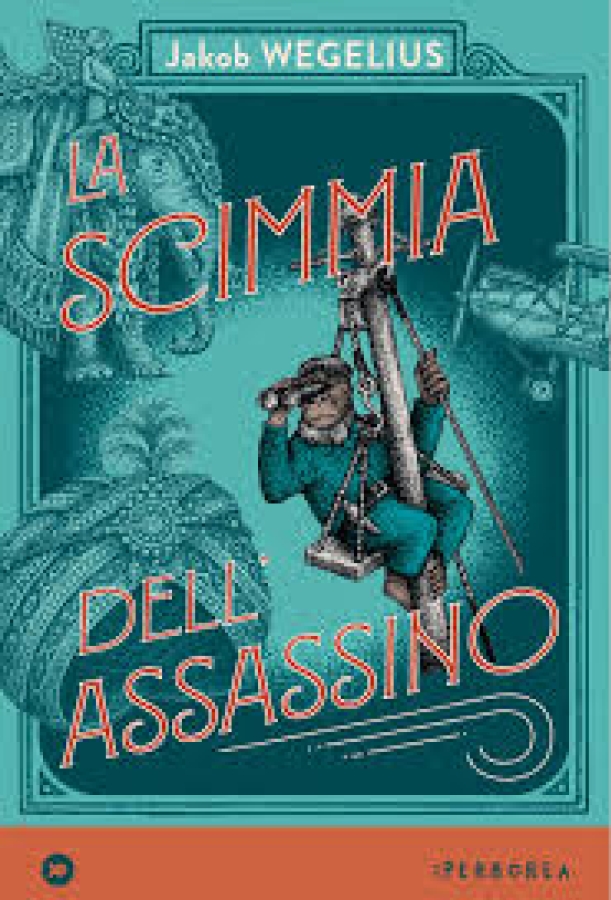
The Murderer's Ape
> For those who do not know me, it is best to state first of all that I am not a human being. I am an anthropoid ape. (...) How I ended up among humans I do not know, and in all likelihood I never will. Sally Jones, the simian narrator of this novel, is intelligent; she lacks only the gift of speech, but understands human language, knows how to write (which is how she communicates), and is excepti

Senso and Other Stories
Camillo Boito, elder brother of the more renowned Arrigo, was an art expert who engaged only marginally in literature. Yet his short stories are strikingly modern in the cold detachment and amorality with which the author confronts the ambiguous, unspeakable egoism lurking within the human soul. In his most famous story, *Senso*, Livia is a harsh, shallow, and conceited woman who entrusts a terr
The Shadow King (The Shadow King)
The novel is set in Ethiopia during the Italian occupation (1935–1941). The first part, entitled "Invasion", deals with the war between October 1935 and May 1936 that led to the capture of Addis Ababa by Italian forces and the flight of Haile Selassie; the other two parts, "Resistance" and "Return", recount the bloody partisan war that deeply undermined Italy’s colonial ambitions in Ethiopia. Fina

Signoria
We are in Spain in 1799. Don Rafel is the powerful chancellor of the Royal Tribunal of Barcelona. The author succinctly describes him as a man > whose life was marked by an unrelenting craving and the restlessness of dissatisfaction, which drove him to dream without being a poet, to fall in love without being a Don Juan, to climb ever higher above others, hoping to attain happiness. Yet, beca
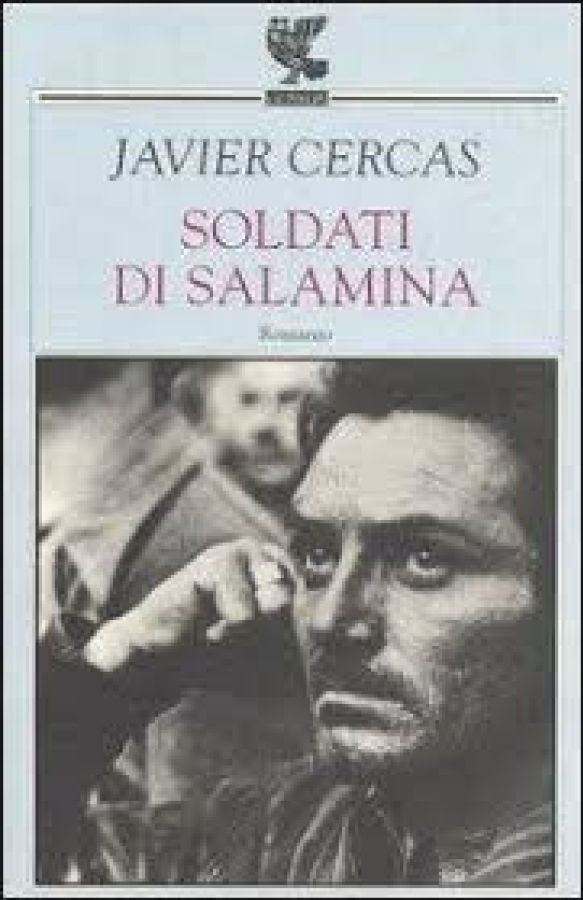
Soldiers of Salamis
> In 1989, my first novel had been published; (...) the book was met with utter indifference. What followed was a prolonged depression and the breakdown of my marriage, until, coming to the rescue of the failed writer, arrived the sensual Conchi and the miraculous story of Rafael Sánchez Mazas. The former was a fortune-teller, > who was crazy about dating a journalist (an intellectual, she calle

The Kreutzer Sonata
During a long train journey, the passengers begin a discussion on the institution of marriage. Can there be spiritual affinity in married life, or is it nothing more than > a horrifying hell, on account of which one ends up an alcoholic, shoots oneself, or commits murder ? The conversation is abruptly interrupted when a traveler declares that he is “the one who, fancy that, killed his wife.”

Spaccanapoli
The book is a collection of short stories written between 1943 and 1947, expressing the author’s effort to reckon with reality, with the lush, carnal, amoral, and shrewd humanity of that “Babel of history” that is Naples: hence, in all likelihood, the title *Spaccanapoli*, the thoroughfare around which the city’s life has always gravitated. Let it be said at once that this reckoning with reality w
A Spiral of Mist
La vita è > una specie d'inganno, cui ci si addestra, questo mentire a se stessi su se stessi , sfuggendo (...) «la sconosciuta e torbida paura della rivelazione». Come in *Open City* di Teju Cole (vedi la recensione in questo sito), nel quale il protagonista dimenticò persino di aver violentato una ragazza perché «per me sono sempre l'eroe» (ma «il piacere della negazione non è stato possibile

A Spiral of Mist
Life is > a kind of deception, one trains oneself for, this lying to oneself about oneself , fleeing (...) “the unknown, murky fear of revelation.” As in Teju Cole's *Open City* (see the review on this site), where the protagonist even forgot having raped a girl because “for myself, I am always the hero” (yet “the pleasure of denial was not available to her”), this novel also investigates > t
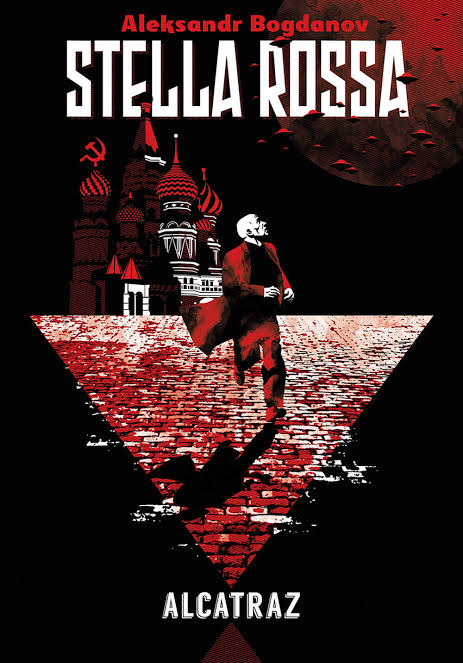
Red Star: A Utopian Novel
In an unspecified year (though let us assume it is 1908), a Martian presents himself to the revolutionary and scientist Aleksandr Bogdanov, inviting him to come to Mars to study its society and disseminate superior Martian values on Earth. The Red Planet possesses a flawless organization that makes it possible, for instance, to assign to each individual the work most useful to the community while
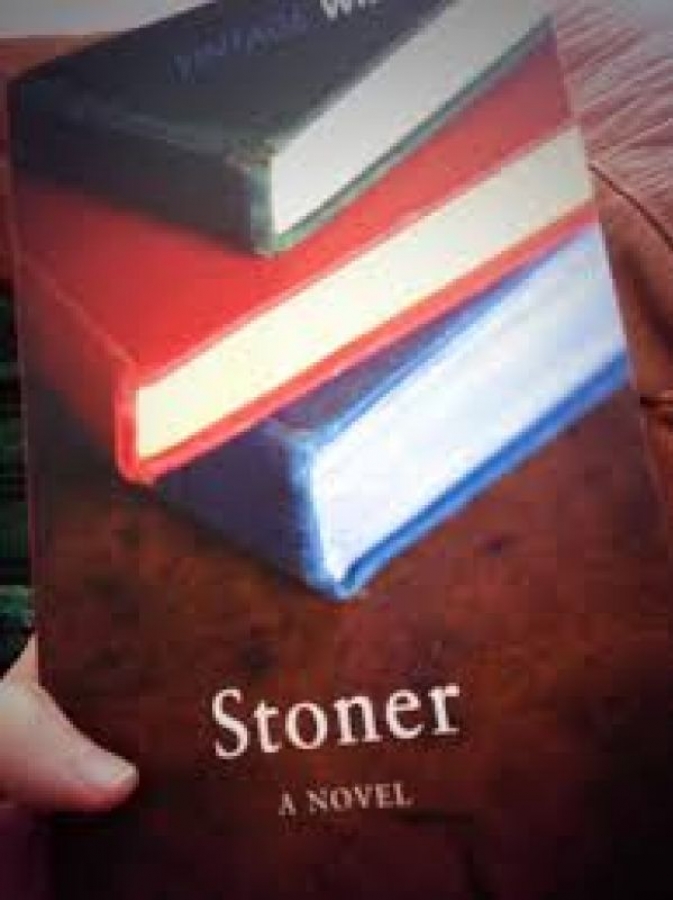
Stoner
The novel chronicles the obscure career of a professor of English literature. William is the only son of a modest farming family. At the cost of great sacrifices, his parents sent him to study agriculture, in the hope that he would one day return with what he had learned to improve the management of the land. At university, the young Stoner falls in love with literature, and with books. Above
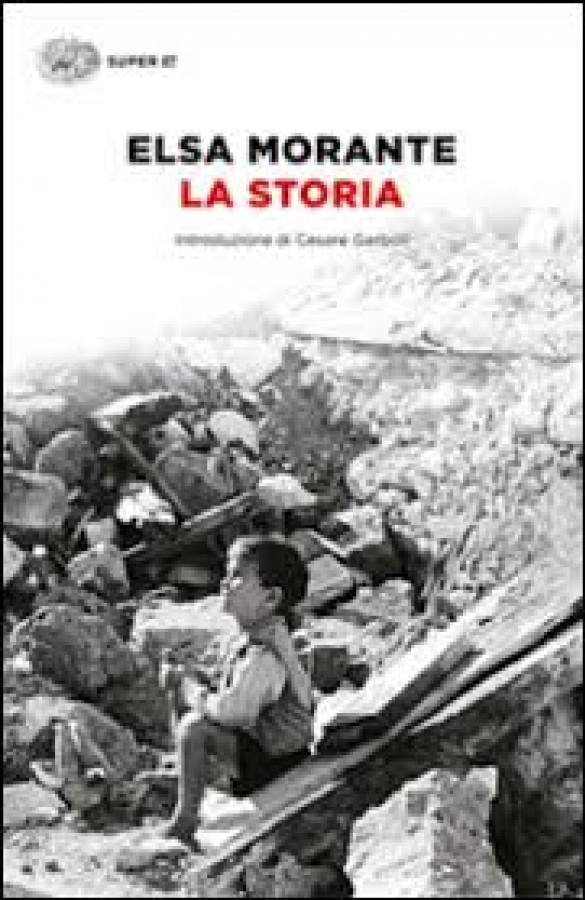
History
> There is no word, in any human language, capable of consoling the guinea pigs who do not know the reason for their death (a Hiroshima survivor). Elsa Morante places this quotation as an epigraph to the novel, indicating that her aim is to recount the victims during a dramatic and painful period of our recent history: the years between 1941 and 1947. It would nonetheless be mistaken to think on

The Story of the Golden Yoke
The novel is set in Shanghai between 1911, the fall of the Chinese empire, and the late 1930s, just prior to the Japanese occupation. Traditional China is unraveling; the centuries-old certainties underpinning the families at the apex of the social hierarchy—the imperial bureaucracy and the vast landed estates—are collapsing. It is a prolonged transitional period, in many respects akin to the on

The Stranger
Beatrice, known as Bea, is a young woman from Turin, raised in a typical middle-class family, a lover of mountains, climbing crags, and ascents of great peaks—of that view of mountaineering as a performance, a competition with oneself and with others. We know little about her, because the author does not probe Bea's history prior to her choice: going to work in a mountain refuge. We catch a glimps
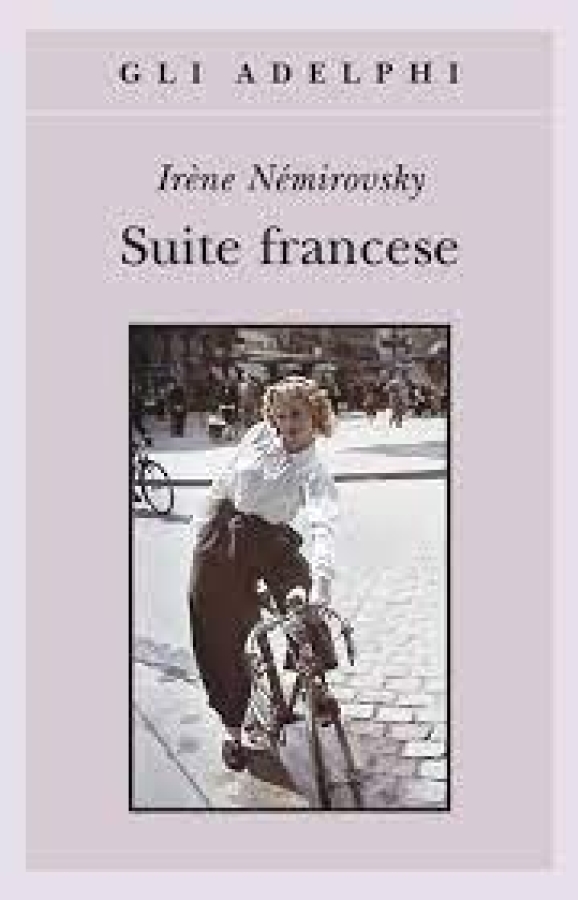
Suite Française
Following the defeat of the French army in 1940, the Germans occupied France until 1944—directly in the North and via the collaborationist Vichy regime in the South. Despite dire circumstances (Némirovsky and her husband being Jewish), the author embarked upon a grand fresco of a defeated France, not so much to discern its causes or analyze its events, but to address a single question: did the war
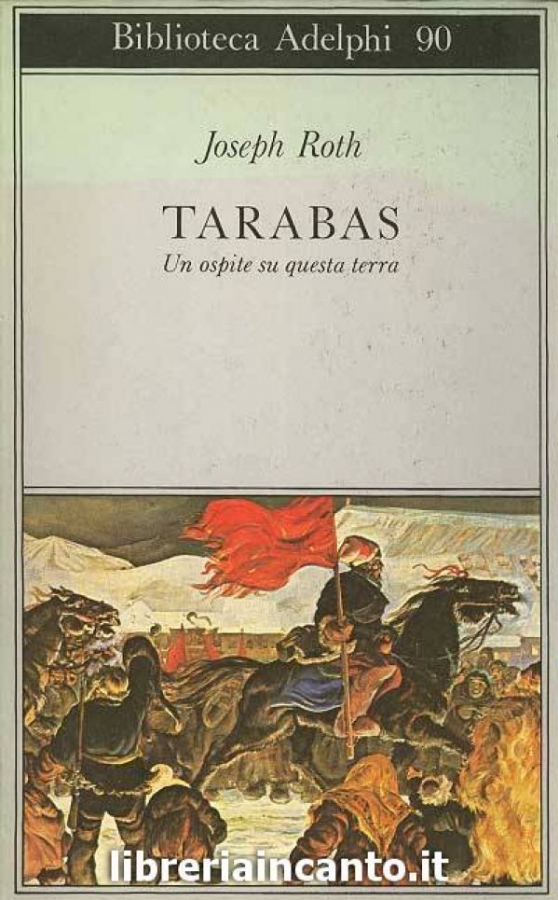
Tarabas
We find ourselves in the eastern lands (Ukraine?) during the years of the First World War and the Russian Revolution. It is a period of violence and upheaval, yet the author also depicts these times with nostalgia, because vagabonds > can (still) live on the mercy of men. Although machines have begun, with punctual steel tread, their sinister march toward Eastern Europe, men still look kindly
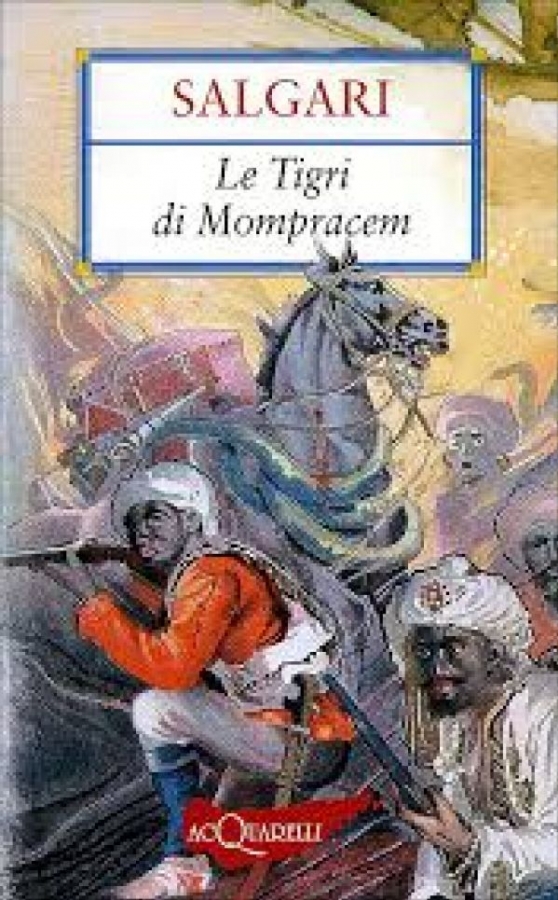
The Tigers of Mompracem
Sandokan > has a broad forehead, shaded by magnificent, boldly arched eyebrows, a small mouth that reveals teeth as sharp as those of wild beasts and gleaming like pearls; two pitch-black eyes, possessing a brilliance that fascinates, that burns, that forces any other gaze to drop . He is the "Tiger of Malaysia", "leader of the fierce pirates of Mompracem", sworn enemy of the British, avenger

Tokyo Soundtrack
The book recounts the environmental and social unraveling of Tokyo from the perspective of two adolescents. Were this story told by a Western writer, it would be steeped in violent realism or intense subjectivism. Consider the *Berlin* saga (see the review on this site), in which a city abandoned to an epidemic becomes the stage for struggles and romance within a dystopian setting, yet rendered in
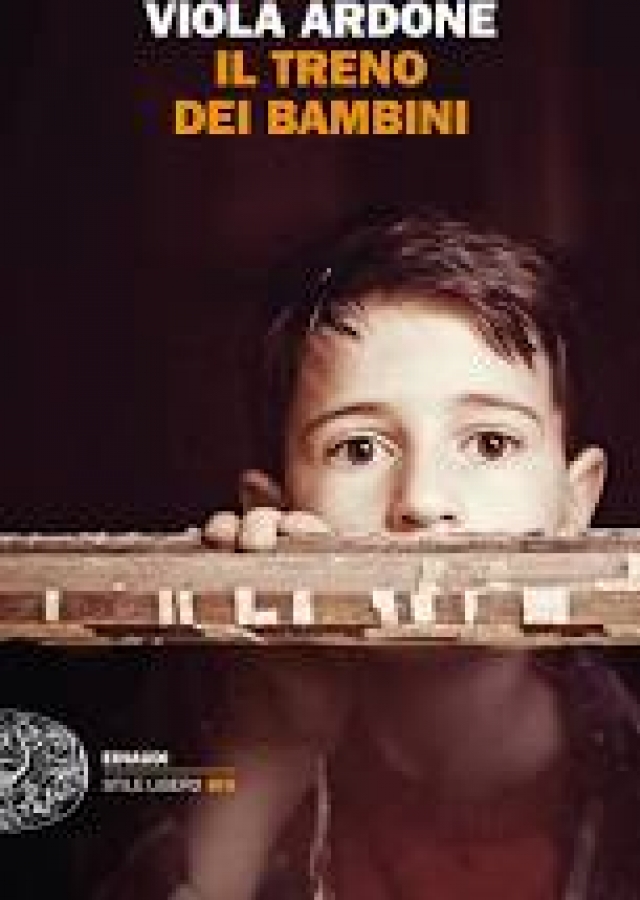
The Children's Train
Between 1945 and 1952, approximately 70,000 children, mostly from the South, were taken in by peasant families in the Centre-North; this was made possible by the Communist Party, local Liberation Committees, the National Association of Italian Partisans, municipal administrations, and the local populations. It was a remarkable demonstration of national solidarity, which came to be known as the "Tr

The Man of the Instant
> My illness is fatal and death is necessary to the cause to which I have long dedicated all my spiritual resources, for which I alone could fight and I alone was designated . Dalager imagines that with this sentence Søren Kierkegaard encapsulates the diagnosis of his ailment, and his destiny, at the moment he has himself admitted to the hospital in Copenhagen, in 1855. He is a broken man: alone
My Father's Suitcase
> The culprit is not just that book, the book that deceived my son, but all books pouring from the printing presses; they are all enemies of our time, of our life . So speaks the protagonist’s father in the novel *The New Life*, referring to the book whose pursuit forms the core of the son’s whirlwind journey across Turkey. And in another passage of the same novel, Pamuk clarifies how > a goo

The Old Man at the Sea
> I was heading to the beach, (...) minding my own business, when suddenly everything came to a halt: the wind, the sea, the shrubs, the beating of heart and flutter of eyelashes, (...) and in that moment of disoriented stillness the only thing moving was a small figure outlined in gold: not a body, not a pirouette of dust, not a flicker of light, but a presence that dashed along the wood of the s

Evenings on a Farm Near Dikanka
> How intoxicating and magnificent is a summer day in Little Russia! (...) The towering oaks stand motionless with a lazy, carefree air, like individuals strolling aimlessly. (...) The variegated gardens are bejewelled with the emerald, topaz, and sapphire of airborne insects, and shaded by slender sunflowers. (...) Splendid is the Dnieper in fine weather: it flows free and majestic, swollen with

Broad wind
Varì lives in Aùrno, a “dying sandstone village” on the Ligurian coast, near the French border. The olive trees, now old, no longer provide a living, and Varì works as a *passeur*, guiding clandestine migrants into France along mountain trails. In villages steeped in sun and sea salt, amid the wind and the heady fragrance of mimosa, many characters have sought a hiding place, from others and fro