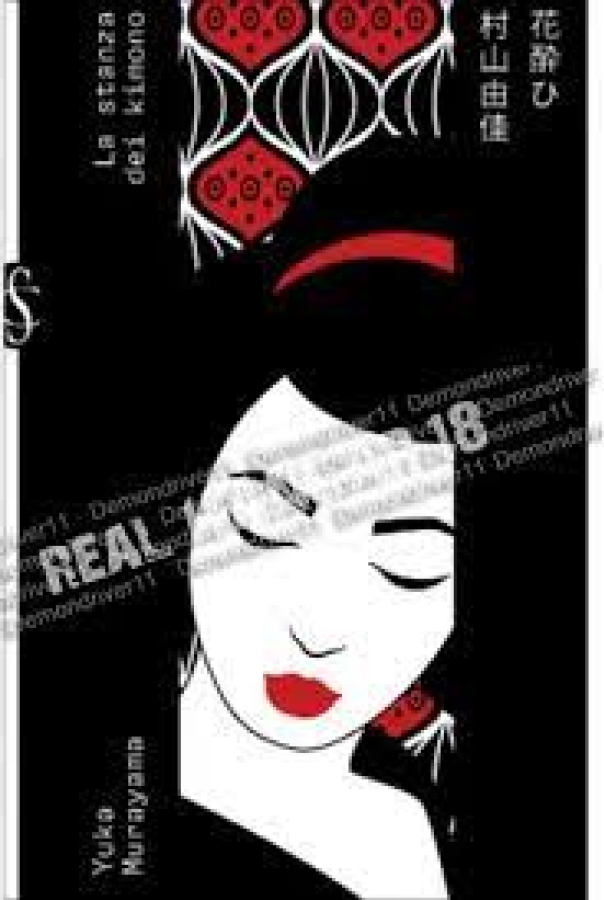
The Kimono Room
Asako works for a company specializing in wedding ceremonies. Her father's illness forces her to leave a well-paying job to devote herself to the family kimono shop. > She had been intimately familiar with kimonos since childhood, but nowadays almost no one wears them, except for the most important ceremonies. An anachronistic folklore, destined in any case for decline, a luxury permitted only t

The Bishop's Bedroom
> In the late afternoon of a summer day in 1946, at the helm of a large sailboat, I arrived at the port of Oggebbio on Lake Maggiore . In a few words, the author captures the atmosphere of the entire novel: the immediate post-war period with its yearning to reclaim one's prime years, lost to the war or in prison camps; the freedom of sailing without ever returning home, like modern-day Odysseuses
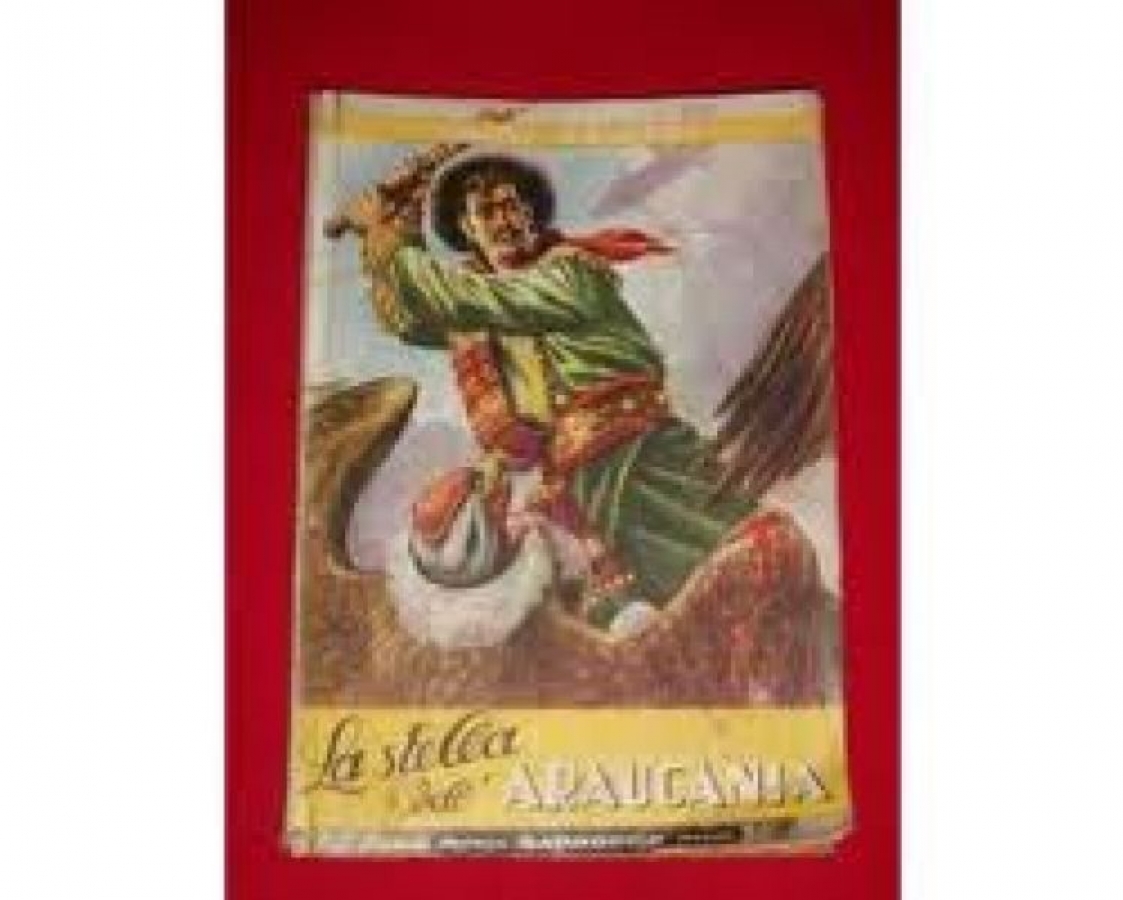
The Star of Araucanía
The star of Araucania is the young Mariquita, “of marvelous beauty,” who, between the two cousins, Piotre and Alonzo, chose the latter—more gentle and elegant than his coarse, brusque counterpart. Fate dictates that Alonzo is shipwrecked in the wild lands of Tierra del Fuego, and only Piotre’s ship can brave the sea during the terrible winter of the Strait of Magellan. In a dramatic encounter, t

A star crowned with darkness
On May 28, 1974, in Piazza della Loggia in Brescia, a bomb killed eight people and wounded one hundred and two. > Eye to eye, she waves to him. Just then, the bomb explodes. A roar. Then smoke (light grey, white, pale blue, pages upon pages of witness testimonies, poignant, grueling...)... Livia must have felt practically nothing. The image she took with her is the smiling blue eyes of her
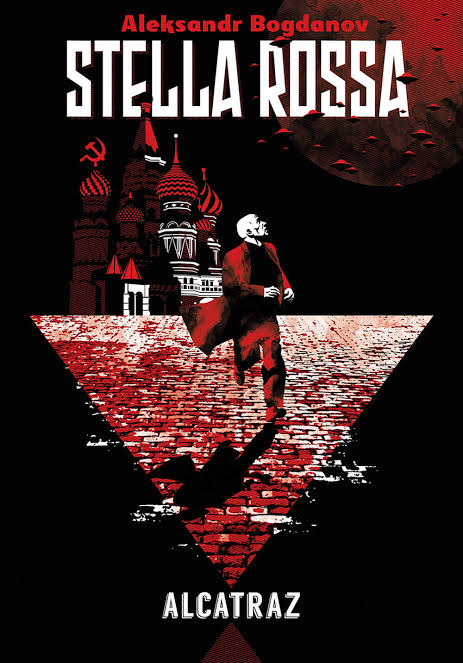
Red Star: A Utopian Novel
In an unspecified year (though let us assume it is 1908), a Martian presents himself to the revolutionary and scientist Aleksandr Bogdanov, inviting him to come to Mars to study its society and disseminate superior Martian values on Earth. The Red Planet possesses a flawless organization that makes it possible, for instance, to assign to each individual the work most useful to the community while
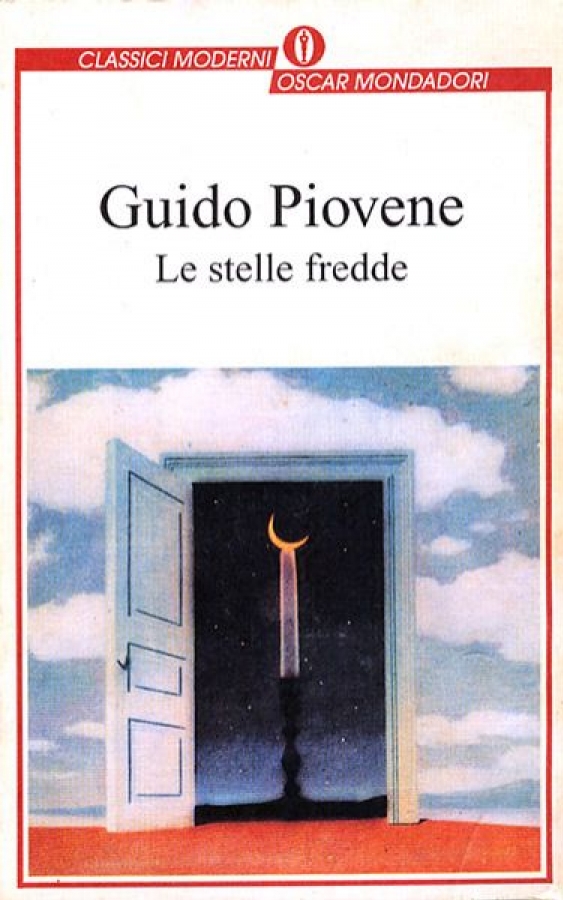
The Cold Stars
This is a highly complex book, in certain respects difficult to interpret, with pronounced philosophical undertones. The protagonist, an advertising executive, decides to abandon his job and the city to change his life, returning to the countryside where he owns a house. At the moment of making this decision, his attending physician introduces him to a young girl—entirely normal and very bright—
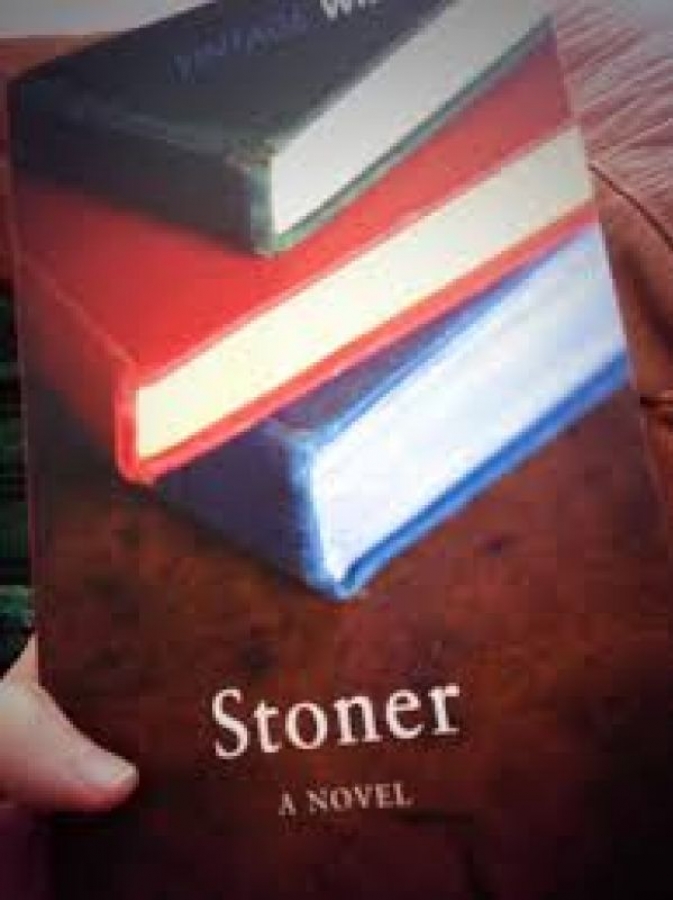
Stoner
The novel chronicles the obscure career of a professor of English literature. William is the only son of a modest farming family. At the cost of great sacrifices, his parents sent him to study agriculture, in the hope that he would one day return with what he had learned to improve the management of the land. At university, the young Stoner falls in love with literature, and with books. Above
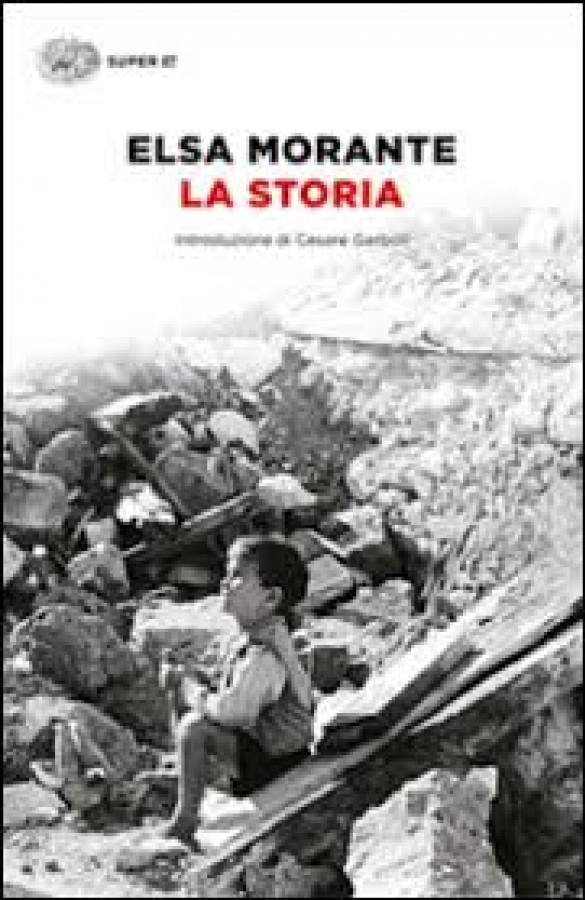
History
> There is no word, in any human language, capable of consoling the guinea pigs who do not know the reason for their death (a Hiroshima survivor). Elsa Morante places this quotation as an epigraph to the novel, indicating that her aim is to recount the victims during a dramatic and painful period of our recent history: the years between 1941 and 1947. It would nonetheless be mistaken to think on
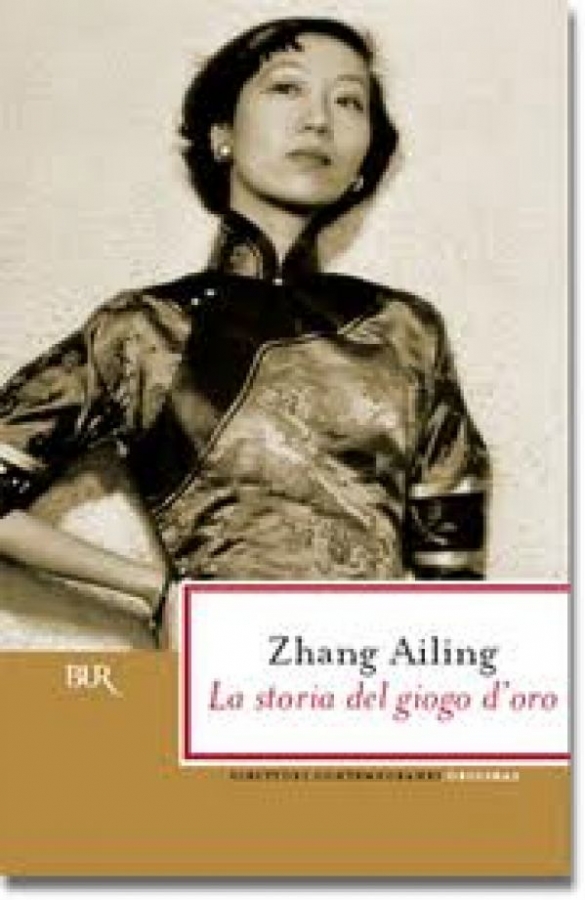
The Story of the Golden Yoke
The novel is set in Shanghai between 1911, the fall of the Chinese empire, and the late 1930s, just prior to the Japanese occupation. Traditional China is unraveling; the centuries-old certainties underpinning the families at the apex of the social hierarchy—the imperial bureaucracy and the vast landed estates—are collapsing. It is a prolonged transitional period, in many respects akin to the on

The Story of a New Name
Elena continues the story of her friendship with Lila. The first book, *My Brilliant Friend*, had ended with Lila’s marriage to Stefano, the wealthy grocer. > I wanted to sink back into the neighborhood, to be as I had been. I wanted to throw away studying, the notebooks crammed with exercises. (...) What I could become outside Lila’s shadow counted for nothing. What was I compared to her in
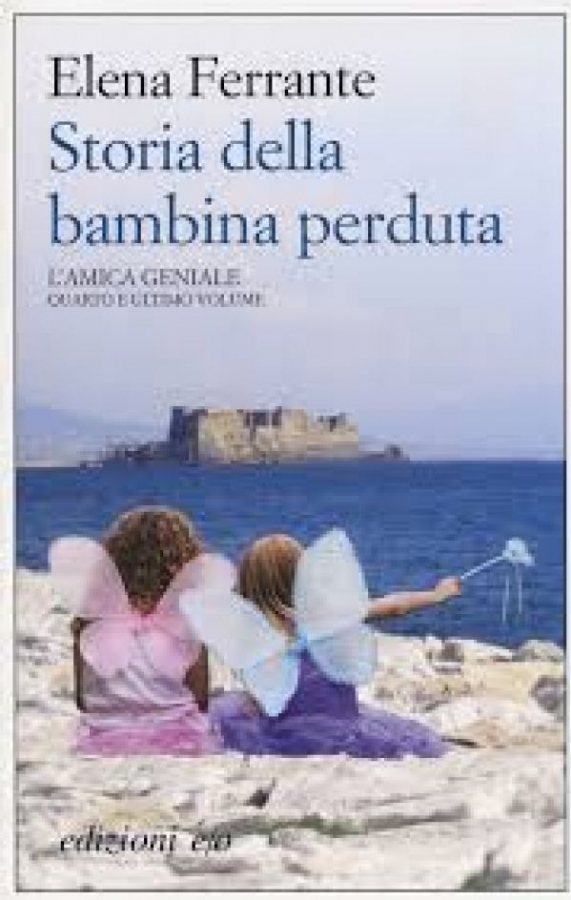
The Story of the Lost Child
The story of the friendship between Elena and Lila continues, its conclusion offering us the meaning of this long narrative: in vain do we attempt to bring clarity to the disorderly flow of events and feelings. In the previous book, we left Elena fleeing with Nino, abandoning a prosaic bourgeois life. For many pages—too many, even—Elena remains at the center: a separated mother and, above all, a

Those Who Leave and Those Who Stay
> To become. It was a verb that had always obsessed me (...). I wanted to become, even though I hadn't known what. And I had become, that was certain, but without an object, without a true passion, without a determined ambition. I had wanted to become something, that was the point, only because I feared that Lila would become who knows who and I would be left behind. My becoming was a becomin
Stories of the History of the World
It is a book for young readers written in the early twentieth century. It recounts the Trojan War, blending episodes from the *Iliad* with others drawn from Greek tragedies. Though aimed at young readers, it is written in a clear language, yet remains rich in terms of both syntax and constraints. The intent is also moralistic, conveying a society grounded in simple, common-sense values: friends

The Donbas Road
Questo romanzo fa parte di una trilogia, che include *Mesopotamia* e *The Orphanage* (*Il Convitto*), quest'ultimo recensito in questo sito. L'ambiente è sempre il Donbas, una terra dove > tutto scompare -- le città, la popolazione, le infrastrutture. (...) Si stendeva e si levava un vuoto leggero e profondo, dipanandosi direttamente sotto i nostri piedi verso oriente e verso meridione. E' una t
Provincial Road Three
The premise of the book is very interesting. Vera, an apparently happy wife, abandons husband, family, and job. She begins walking down a provincial road: > she started by walking, then picked up speed, her strides growing longer, quicker, tighter. One after the other . > The road is a wide road cutting across a ruined countryside. A precise, geometric destruction . > Beneath her eyes,
The Philippine Massacres
With exceptional timing, in 1897 Salgari published a novel "of adventure and love" that recounts the Philippine Revolution between 1896 and 1898: a conflict between the Philippine independence movement and Spain, which would ultimately lead the latter to lose its colony. As had already occurred with Cuba during the Spanish-American War of 1898, recounted by Salgari in another novel (see the review

The Stranger
Beatrice, known as Bea, is a young woman from Turin, raised in a typical middle-class family, a lover of mountains, climbing crags, and ascents of great peaks—of that view of mountaineering as a performance, a competition with oneself and with others. We know little about her, because the author does not probe Bea's history prior to her choice: going to work in a mountain refuge. We catch a glimps
Suite Française
Following the defeat of the French army in 1940, the Germans occupied France until 1944—directly in the North and via the collaborationist Vichy regime in the South. Despite dire circumstances (Némirovsky and her husband being Jewish), the author embarked upon a grand fresco of a defeated France, not so much to discern its causes or analyze its events, but to address a single question: did the war
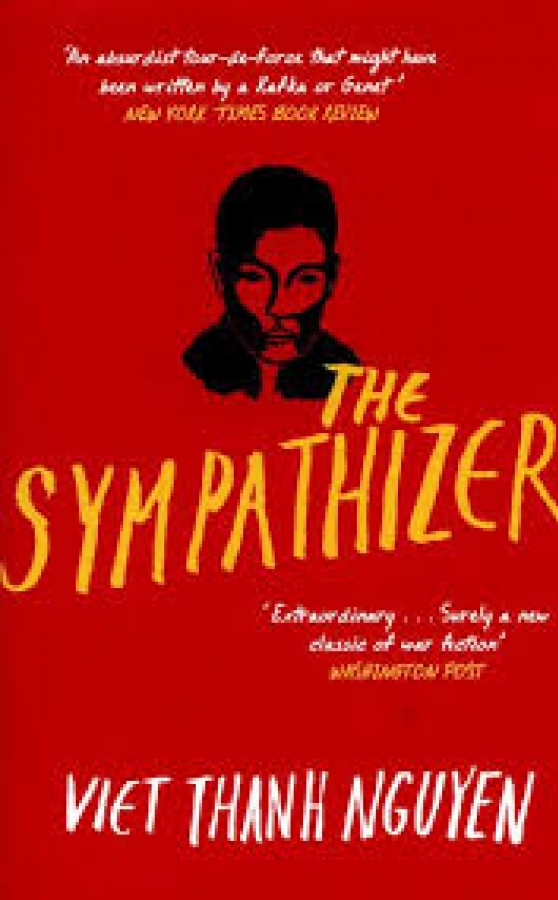
The Sympathizer
Reviewing this novel was no easy task: the narrative strands are numerous, rich in literary, political, and philosophical references, and what is more, they succeed and overlap one another so as to create an often indecipherable tangle to which it is demanding to give an overarching meaning. It is easier to say what the book is not: its subject is not the Vietnam War, as numerous critics have supe
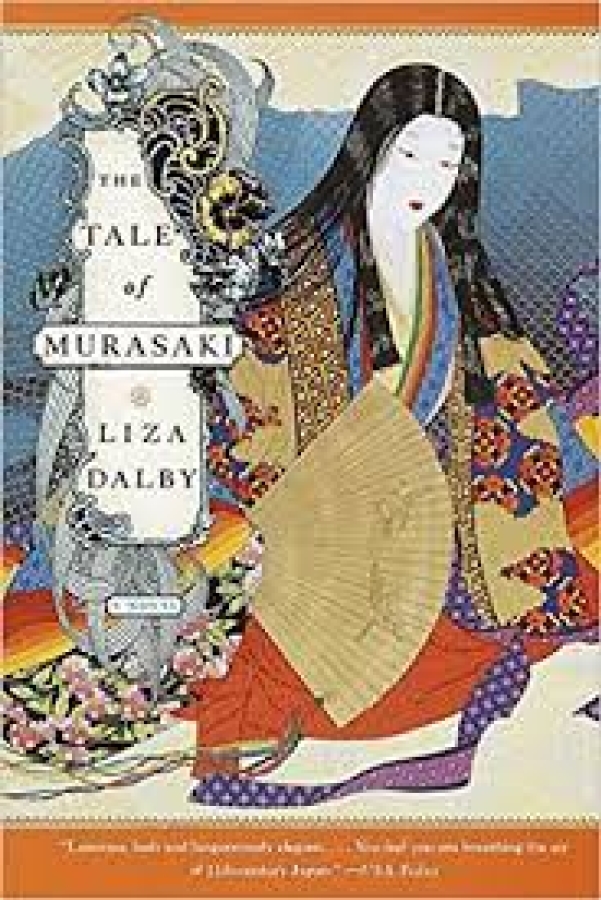
The Tale of Murasaki (the story of Murasaki)
As Wikipedia notes, Murasaki Shikibu (973–1014) was a Japanese poet renowned for the epic *The Tale of Genji*, likely written around the year 1000 when she served as a lady-in-waiting. Murasaki (Japanese for violet) is the name of the novel's female protagonist—a name also attributed to the poet herself, as her real name remains unknown. *The Tale of Genji* quickly achieved widespread circulation,
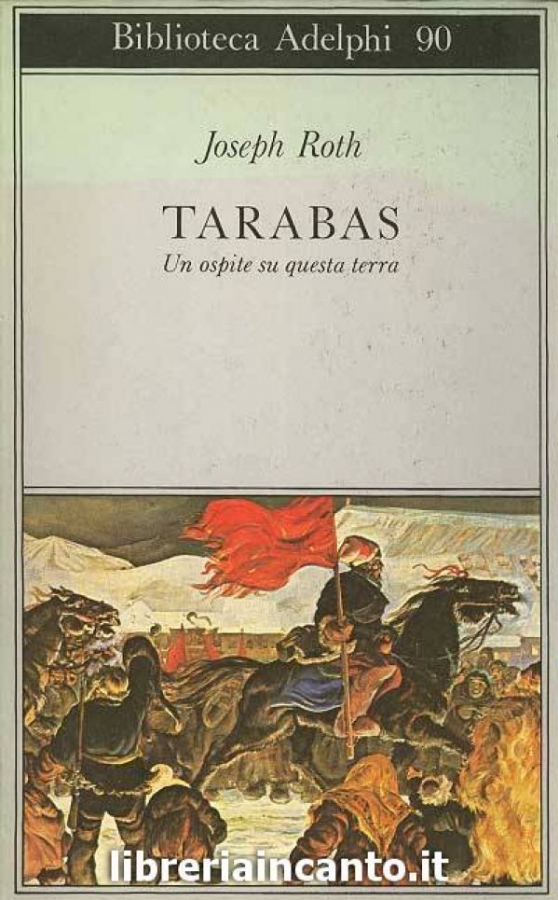
Tarabas
We find ourselves in the eastern lands (Ukraine?) during the years of the First World War and the Russian Revolution. It is a period of violence and upheaval, yet the author also depicts these times with nostalgia, because vagabonds > can (still) live on the mercy of men. Although machines have begun, with punctual steel tread, their sinister march toward Eastern Europe, men still look kindly
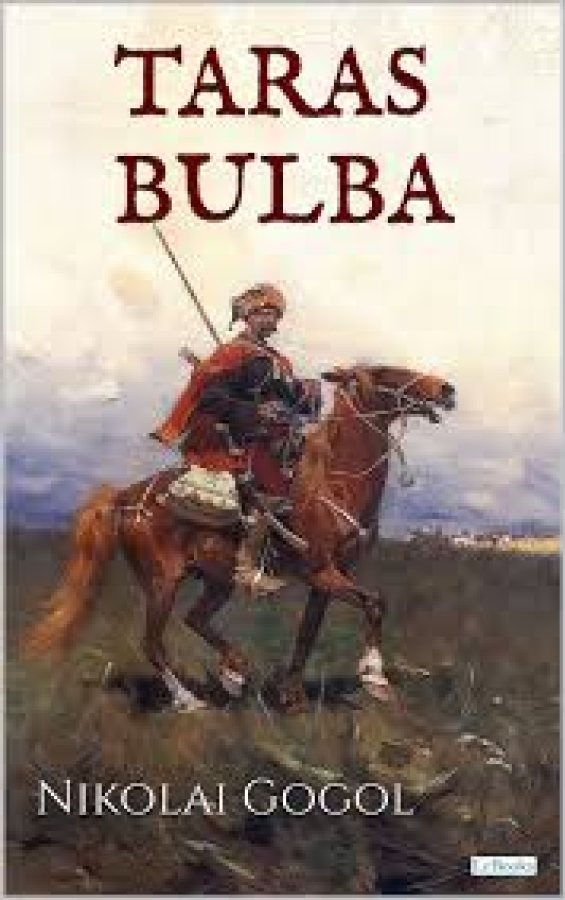
Taras Bulba
For those of us who have dreamt of the battles and heroes of the *Iliad*, Gogol’s *Taras Bulba* recalls the great Homeric epic (see review on this site). There is a warrior people, the Cossacks, who arose from the “ancient, peaceful Slavic spirit” like a “burst of flame,” > an extraordinary manifestation of Russian strength, struck by the flint of misfortune from the breast of the nation. In pla
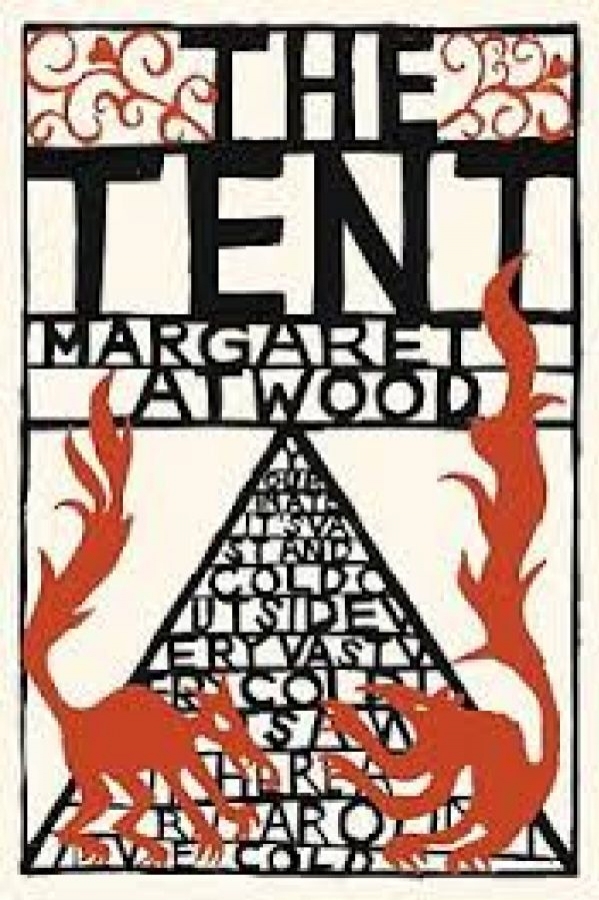
The Tent (Microfiction)
The book is a collection of minimal tales: hence the title *Microfiction* of the Italian edition, which nevertheless fails to convey the overarching meaning of the stories. From the very outset, the writer declares that > she is working on the story of her life, (but whoever) wanted a storyline should have asked for it earlier. (...) Before I discovered the virtues of scissors, the virtues of
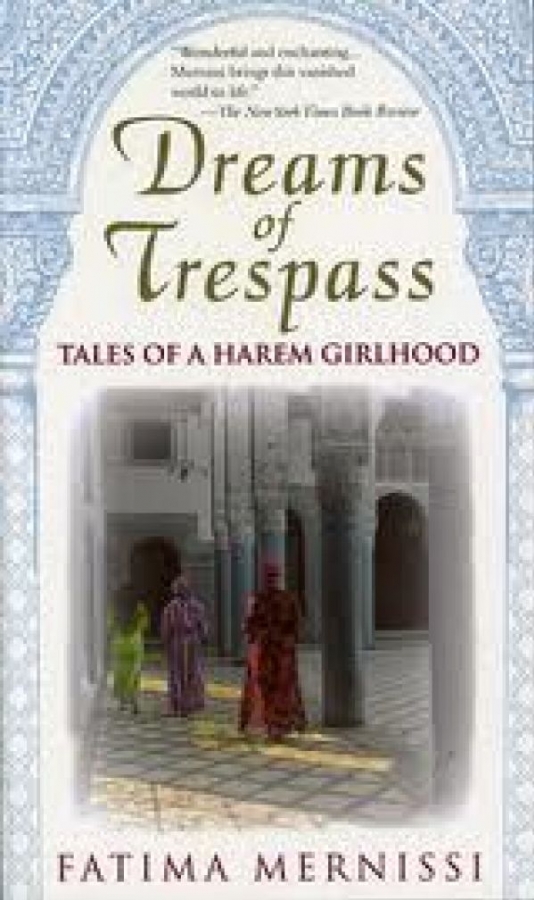
The Forbidden Terrace
As the author explains, there are two types of harems. Imperial harems are the ones best known to us Westerners: lascivious and indolent women, guarded by eunuchs, and ever-ready to satisfy their master’s desires. Domestic harems, on the other hand, are extended families in which women are confined within a physical boundary (generally the walls of a palace or townhouse when living in the city)