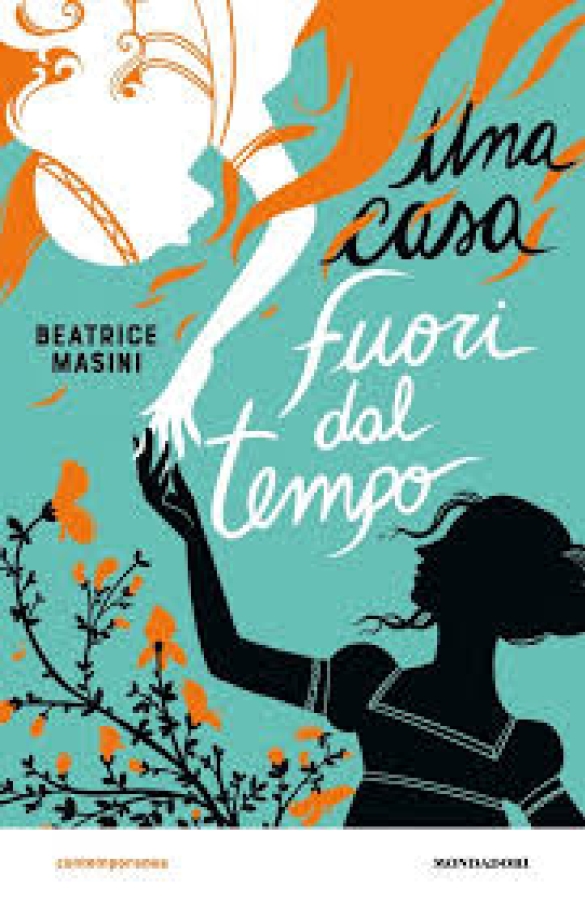
A house out of time
> He sets off between walls, prey to the light..../perhaps it was you, now it is an apparition/or perhaps it is all that knows no peace/ (...) It is a figure, it has no rest.../it is ours, I thought it a chimera (from "S'avvia tra i muri" in the collection *Avvento notturno* by Mario Luzi). These lines come to mind when reading this novel, which speaks of timeless presences, shadows and light dw
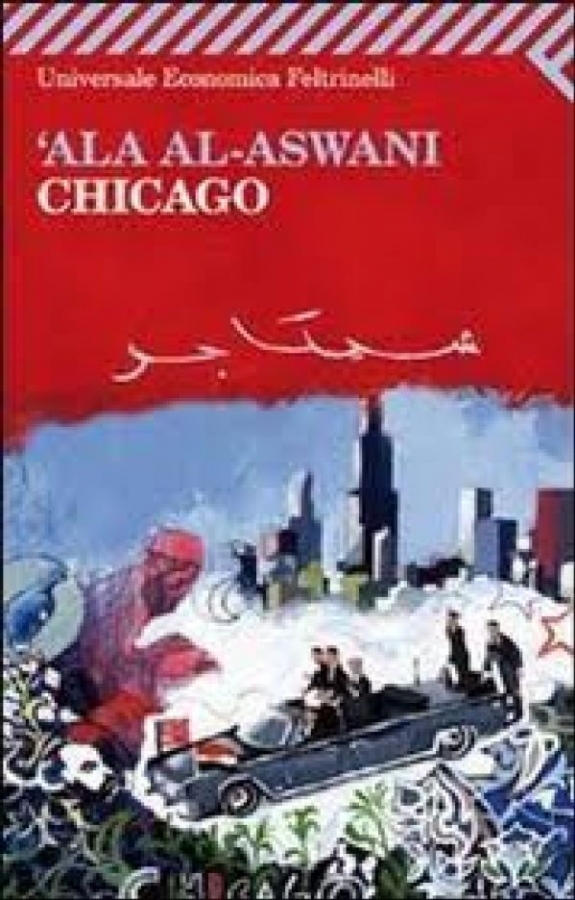
Chicago
The book is a collection of stories of Egyptians working and studying in Chicago, at the medical school. In some cases, they are individuals getting on in years, who have established themselves and seemingly integrated into American society. In others, they are young researchers who have received a scholarship from the Egyptian government and whose career success, therefore, depends upon the aut
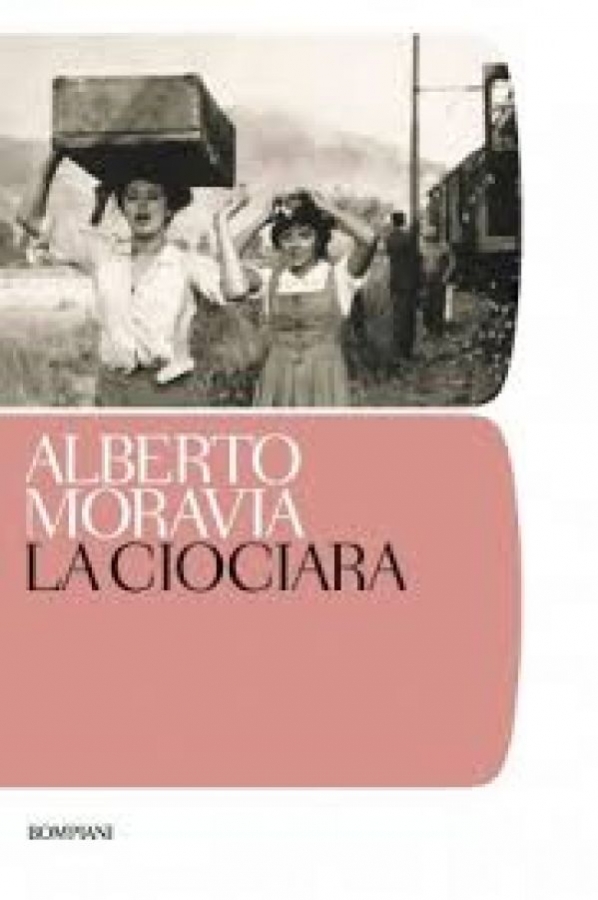
Two Women
For Moravia, *La Ciociara* > was his tribute as a novelist to the Resistance as a collective act . The setting is Ciociaria, southeast of Rome; the historical context is the period between October 1943 and June 1944, when this region was thrown into turmoil by the protracted stalemate in the Allied advance, caused by the Cassino defensive lines and the failure of the Anzio landings in January
Through the eyes of the enemy
This book collects four lectures delivered by Grossman between 2004 and 2006. Two of them concern the nature of writing, while the others address the "appalling, ambiguous, and complex" situation of Israel. What unites the reflection on literature with that on politics is the writer's mission: for Grossman, it consists of refusing the > surrender of the possibility of understanding what I trul
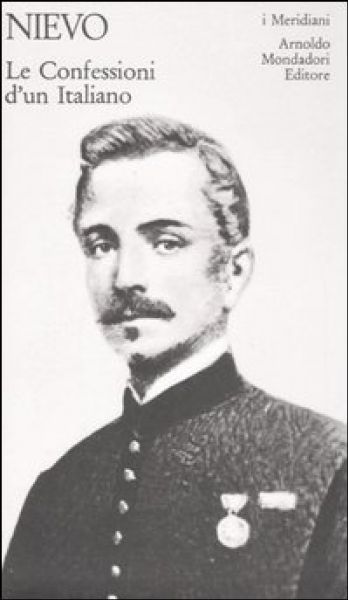
The Confessions of an Italian
Carlino is the natural son of the young Countess of Fratta and grows up in the household of his aunt and uncle, left to the care of the servants and regarded as a «second-class relative». At the castle of Fratta also lives his cousin, a girl younger than Carlino, named Pisana. From his boyhood, Carlino falls in love with Pisana, an increasingly vivacious and unpredictable girl who shares a confl
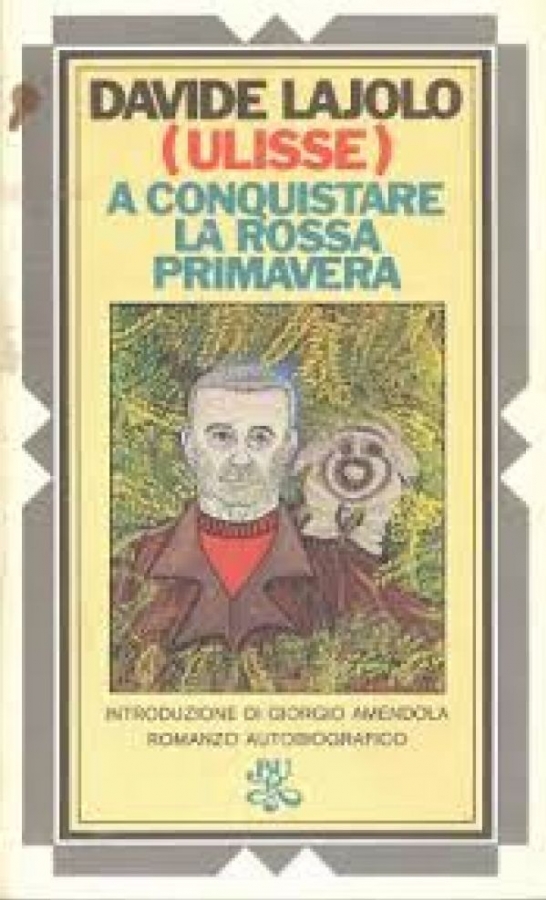
To conquer the red spring
Written in the days immediately following April 25, 1945, this book is an autobiographical novel, a recollection of > things experienced, and still alive within, before time has calmed the turmoil of emotions ( Giorgio Amendola, introductory note to the 1975 edition). Lajolo, *nom de guerre* Ulisse, took part—out of genuine conviction—in all the Fascist wars. July 25, 1943, the day of Mussol

Short Circuit
The book consists of a series of short stories dealing with foreign migrants in Italy. In the first, *The Turban*, a Sikh arrives in our country fleeing poverty and finds work on a farm in Tuscany. A process of rapprochement begins, both cultural and personal, between the landlady and the immigrant, leading the former to the discovery of a world and the latter to gradually assimilate into the cu
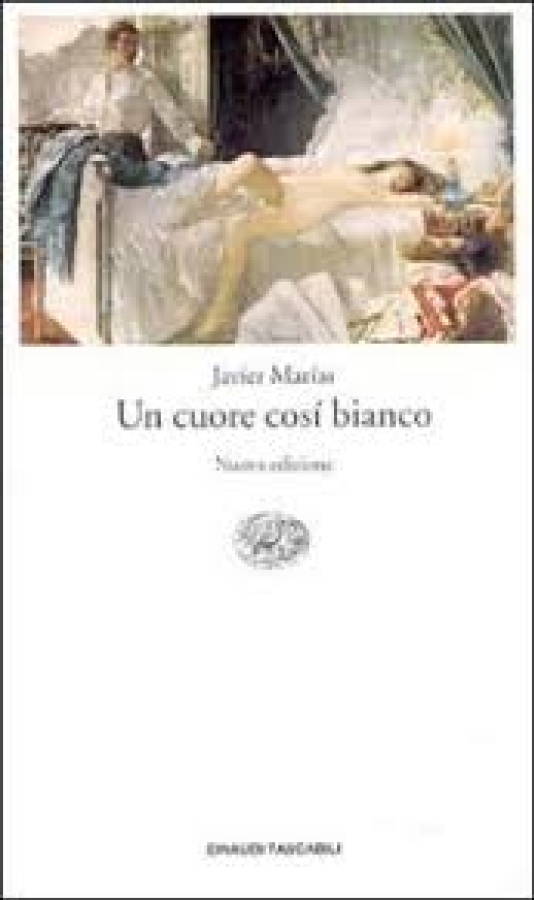
A Heart So White
The novel opens with a mystery (the suicide of the presumed first wife of the father of Juan, the protagonist and first-person narrator) and closes with the resolution of the enigma, which I shall not disclose so as not to deprive the reader of the surprise. Between these two poles of the narrative, the secret unfolds slowly, for deep down it is always known, or suspected: like Lady Macbeth in Sha
From Life
The book is a collection of short stories published by a very young Matilde Serao at the age of twenty-two. In 1883, the twenty-six-year-old author, after "four years of militant artistic life," wished she could "change everything," finding these juvenile writings flawed in form, lacking "depth of impressions," and muddled by an "encumbrance of ideas." Reading them more than a century later, thi
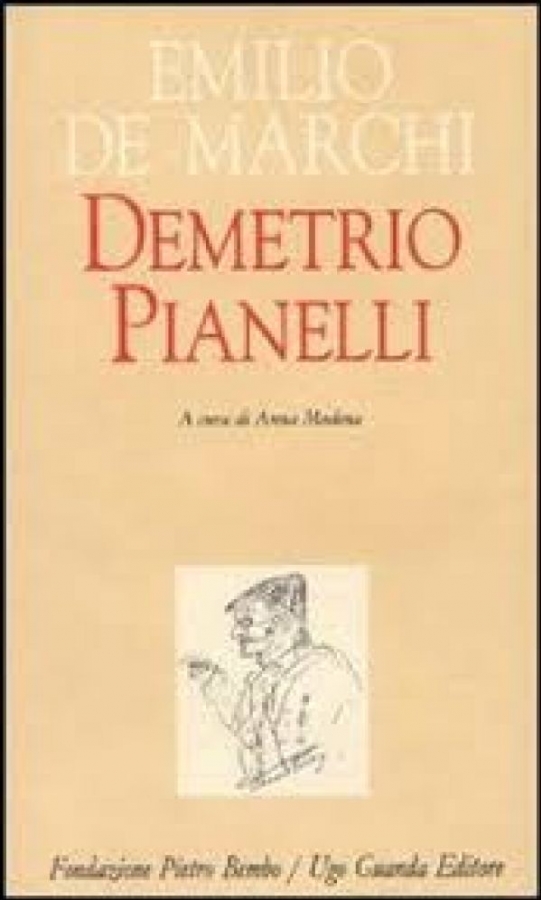
Demetrio Pianelli
The novel is set in Milan at the end of the nineteenth century: a city with its > broad straight avenues and luxury shops, (...) the movement of the trams and the bustle of busy people, intent on making money, working, producing, paying little heed to idle chatter, enjoying life without fuss or fancy ; in the background of human affairs a great clamor prevails, and yet not so far away lies the
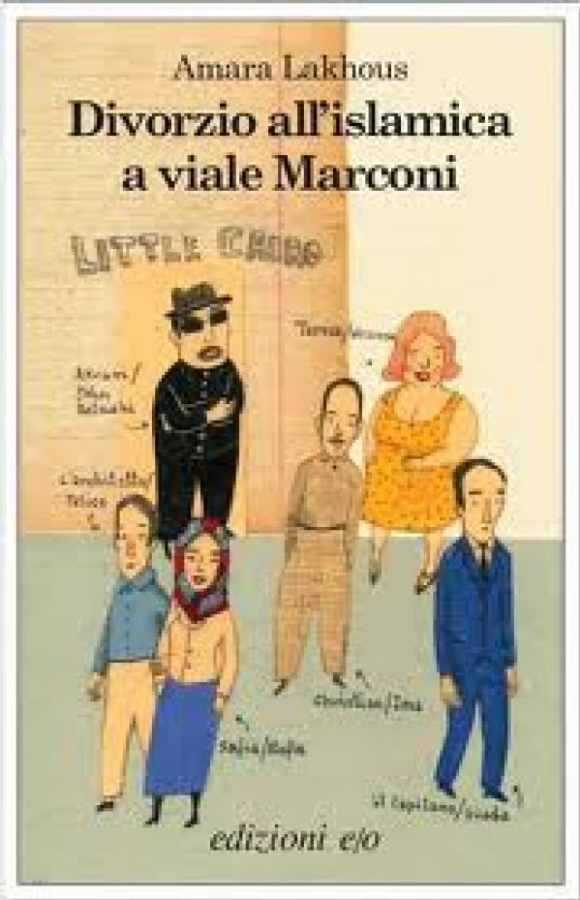
Divorce Islamic Style on Viale Marconi
Issa is actually an Italian young man named Christian. He has a perfect command of Arabic. Consequently, the secret services decide to recruit him and dispatch him to Viale Marconi in Rome under the guise of a Tunisian immigrant. His mission is to gather intelligence on a suspected terrorist cell, allegedly operating out of a call center. Sofia—or rather Safia—is an Egyptian woman who married
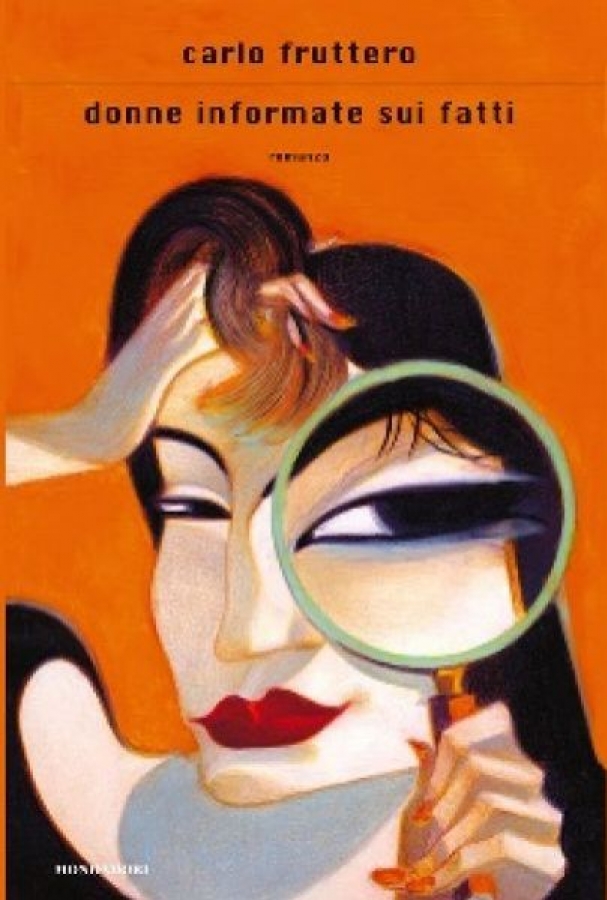
Women Informed of the Facts
In upper-bourgeois Turin, a crime is committed: a former Romanian prostitute, married to a wealthy banker, is found strangled. It is later revealed that she was killed by two thugs, hired by the banker's "dear" friend, jealous and bent on revenge after being rejected. The narrative unfolds through the accounts of women involved in one way or another in the crime: the caretaker who discovered the
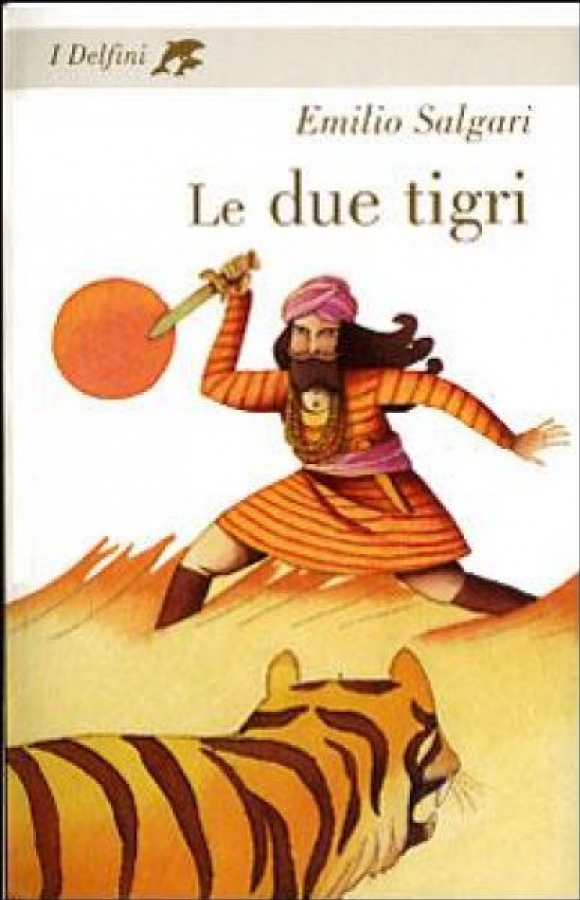
The Two Tigers
The setting is India and the cruel Thugs, who have abducted Tremal-Naik’s daughter to make her the “virgin of the pagoda” in service to the ruthless deity, Kali. Sandokan and Yanez set out to rescue the young girl, embarking on an expedition that leads them into the Ganges Delta—a swampy expanse infested with ferocious beasts and plagued by cholera—down into the subterranean lairs inhabited by th

Siberian Education
Nicolai Lilin comes from Transnistria (a no man’s land between Moldova and Ukraine) and writes in Italian. He belongs to that cohort of immigrant authors who are making a significant contribution to the renewal of our literature, so often bloodless. And indeed, the novel overflows with energy, with a vitality and brutality barely kept in check by the canons and formative paths generated within t
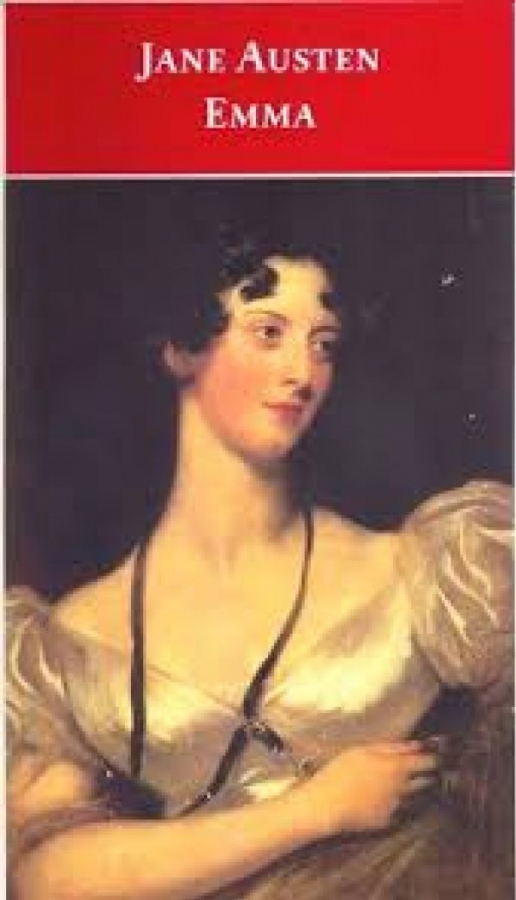
Emma
Emma is a young woman, determined, independent, but inclined “to think a little too well of herself.” She lives in a small English country town with her father: a frail widower, fearful of novelties and above all of being abandoned by his adored daughter. Then again, why marry? > If I were to fall in love, indeed, it would be a different thing! But I have never been in love; it is not in my wa
Aeneid
The poem recounts the journey of Aeneas toward Italy and the war he was forced to wage > so that he might found his city and bring the Penates into Latium, giving rise to the Latin race, the Alban fathers, and the lofty walls of Rome (Book One). The poem is divided into two parts. The first, which chronicles his wanderings until his arrival on the shores of Latium, adopts the structure of th
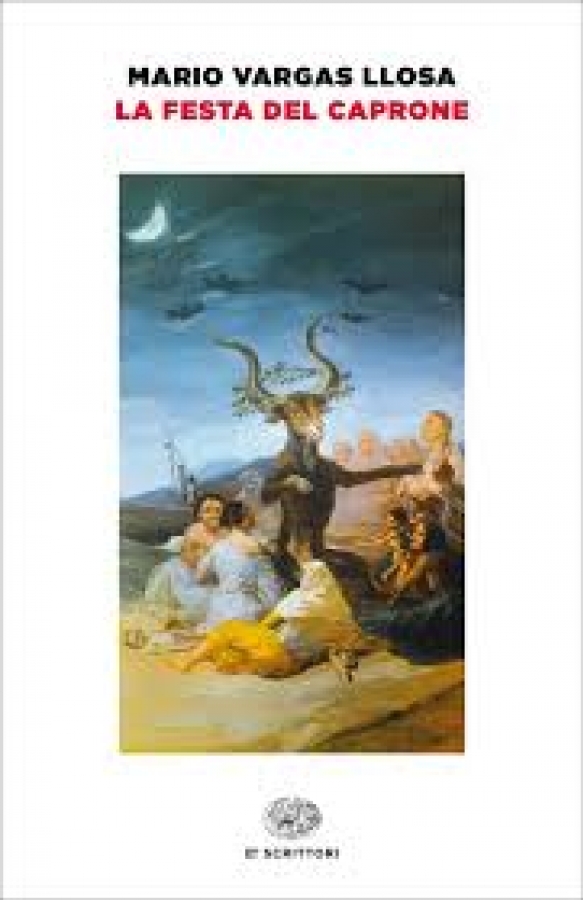
The Feast of the Goat
What are the mechanisms that uphold a dictatorship? Vargas Llosa sets out from history, from real protagonists and events, to investigate the dark allure of the despot, and he does so starting from a cruel character in whom the peculiarities of tyranny have been distilled, stripped of the smokescreen of ideologies and good manners. We read from the Treccani Encyclopedia that Trujillo ruled the Dom
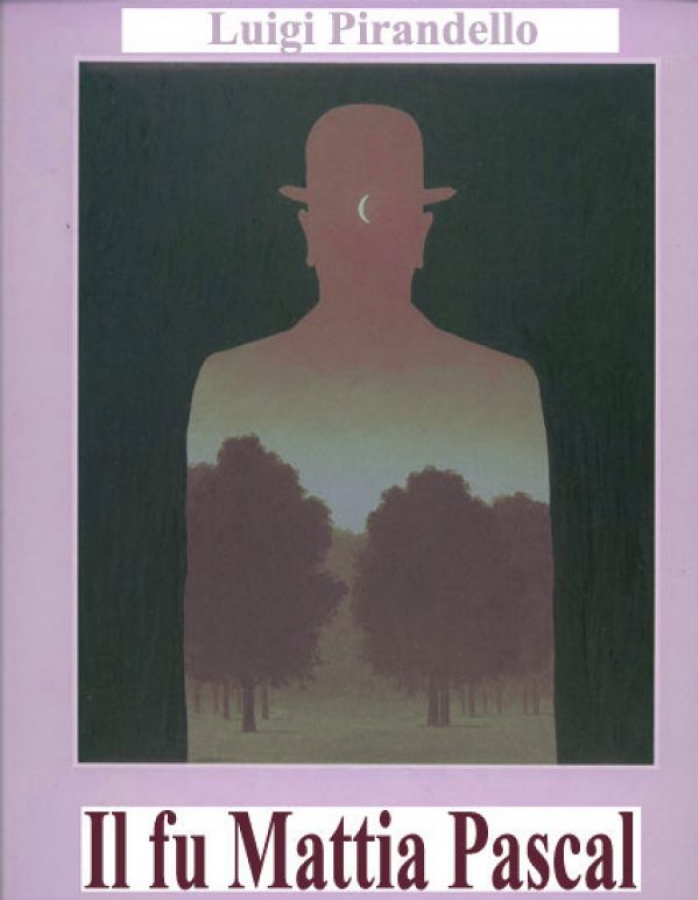
The Late Mattia Pascal
Mattia Pascal lives in a provincial town and has found himself, almost by chance, married, poor, and working as a librarian. He suffers from the stagnation of his existence and is terrified by the idea of living “thus, always, until death, without any change, ever…”. Seeking a momentary escape, he flees to Monte Carlo, where he gambles at the casino and wins a substantial sum. He then discovers
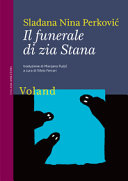
The Funeral of Aunt Stana
“If this were, for instance, a Hemingway story, by the second paragraph its protagonist would already be shooting fascists, (...) a nurse would have fallen in love with him (...). Naturally, she would be a woman so wonderful and caring that she would die along with the baby during childbirth, if only to save him from the monotony of family life. (...) However, I am not Hemingway. Looking at things
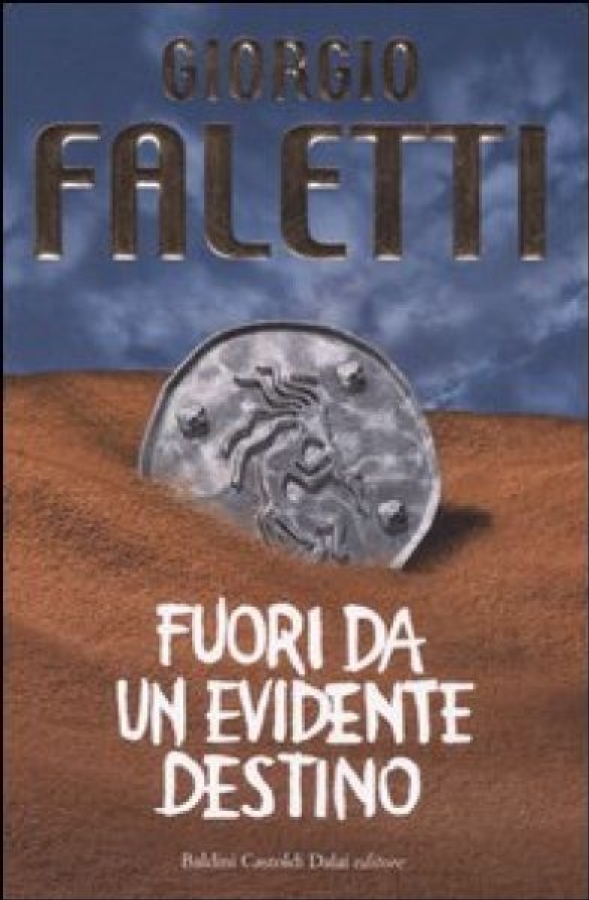
Outside an Evident Destiny
The setting is an American town in Navajo territory. Jim, half-Indian and half-white, returns to his hometown only to become embroiled in a series of murders committed by an avenging shadow, unleashed by an Indian ancestor to exact vengeance for a massacre perpetrated by adventurers. It is a return to the past—both the distant one and the more immediate past tied to Jim’s childhood and his choic
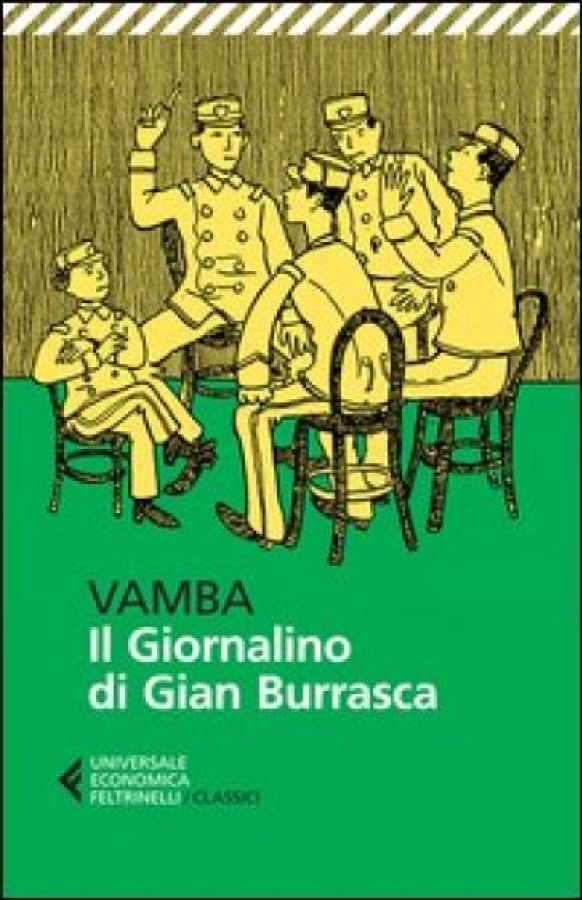
The Diary of Gian Burrasca
Vamba, the pseudonym of Luigi Bertelli, imagines having discovered *Il giornalino di Gian Burrasca* “from a portress, wife of a court usher, while she was reading it to her children”; indeed, Giannino Stoppani’s diary had long remained “forgotten among the files of the Judicial Chancellery, which will certainly come as no surprise to anyone who knows how everything concerning Italian Justice is pr
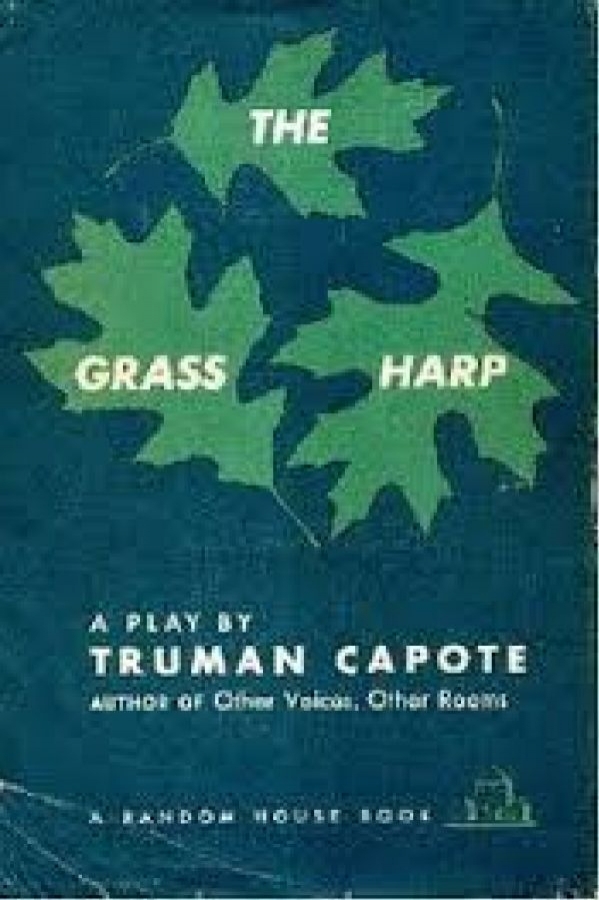
The Grass Harp
*The Grass Harp* is a coming-of-age novel, but it must be read as an assonance of wondrous images and extraordinary sounds, “a harp of voices telling a story.” And all that is left for us is to listen. As was already seen in Salvatore Satta's *The Day of Judgment*, remembrance is not a succession of events, a sequence of situations and characters; it is instead like closing one's eyes > to fix
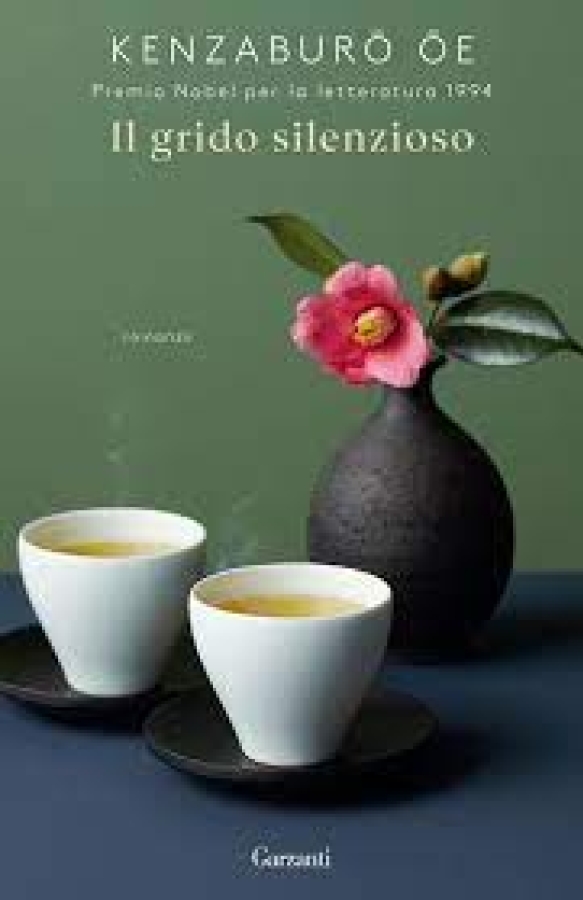
The Silent Cry
> I wake in the darkness before dawn, flailing among the agonized shreds of dreams that still linger in my consciousness, searching for a burning sense of anticipation. (...) In every part of my body, I perceive separately the distinct weights of flesh and bone, sensations that coalesce into a dull ache within my consciousness, reluctant to resurface into the light. (...) I have slept with my arms

War and Peace
The book deals with the Napoleonic Wars, and in particular the French invasion of Russia, the sacking of Moscow, and the defeat of Napoleon. In the early parts of the novel, war is something distant, a matter for the powerful and their diplomatic games, whereas > life, the real life of men, with its fundamental necessities concerning health, illness, work, rest... , proceeded, as always, indep