The Iliad
*The Iliad* unfolds over a brief period of time, yet it captures the most salient events of the Trojan War. The incipit is the quarrel between Agamemnon and Achilles over the possession of an enslaved woman, yet in truth, Achilles is calling Agamemnon’s authority into question. The hero resolves to withdraw from the fighting, triggering a sequence of clashes that, despite alternating fortunes, s

The Impostor
From 1975 to 2005, Spain was deceived by a great impostor. Enric Marco, the obscure owner of an auto repair shop, fabricated a past as an anti-Francoist, claiming he had been deported for it to the Flossenbürg concentration camp alongside eight thousand other Spanish Republicans sent to Germany to die in the extermination camps. Capitalizing on the halo bestowed upon him by his forged past, Marco
At the ass end of the world
Eight years have passed since the end of the Portuguese Colonial War, which devastated Angola between 1961 and 1975: Salazar’s Portugal on one side, and the Angolan liberation movements on the other. The protagonist, who is also the first-person narrator, meets a woman in a bar, just as he has done so many times before, > when the bar is a shipwrecked Titanic, (...) a submerged Spanish galleon,
Travels with Herodotus
Kapuscinski is a great reporter who has written numerous travel books. In this case, he recounts how he became a reporter and describes some of his journeys to China, India, and Africa. Above all, however, he speaks of his great literary love, Herodotus. Whenever he travels, he carries Herodotus’s *Histories* with him. Kapuscinski’s travels are simultaneously real journeys and voyages into the
I'm Not Scared
The novel revisits the theme of the author's previous book: the squalor of the domestic and social environment set against the innocence of childhood. Michele lives in a small village, and during an outing with friends, he discovers a child who has been kidnapped and imprisoned by a group that includes his own father. A spiritual and psychological journey thus unfolds, throughout which Michele a

My Name Is Not Miriam
> She sees herself sitting in her lovely living room, in the lovely villa Olof inherited, with the lovely furniture she bought because he earns well. (...) The plaid skirt turns into a striped prisoner's dress, the stockings vanish and her shoes slide into nothingness, the parquet floor beneath her feet suddenly becomes raw concrete, (...) and Miriam screams, screams and hears herself screaming, c

I am god
> Wars end. Hate lasts forever. Hatred harbored for years had driven a man to litter a city with bombs. Hatred had driven another to detonate them . The consequences of that insane game that is war provide the ideal backdrop for a thriller. The novel’s premise is the return of a Vietnam veteran, surviving yet monstrously disfigured by napalm, the incendiary weapon widely used by the American
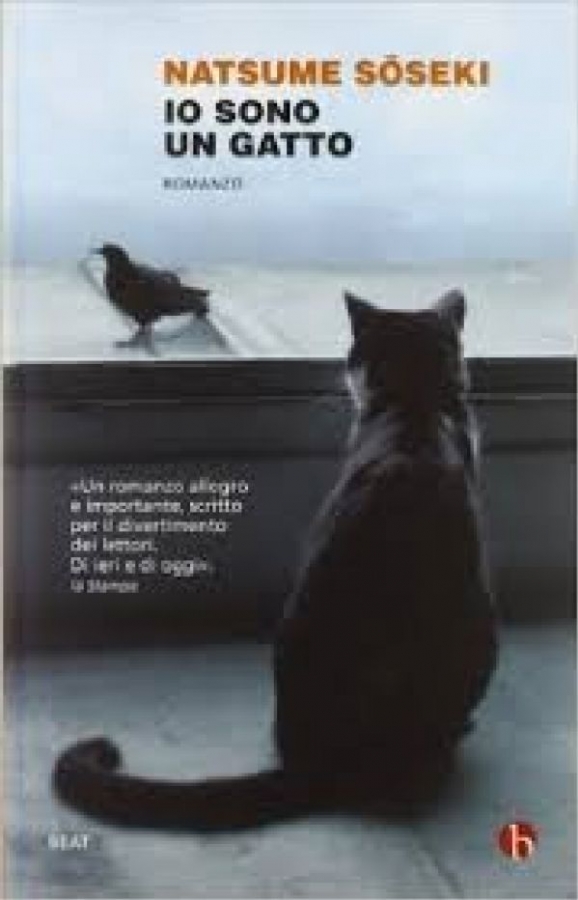
I Am a Cat
The protagonist and narrator of this novel is a cat: a stray taken into the home of a teacher, unloved yet tolerated out of sheer inertia. This is how our hero defines himself: > I do not grow fat because I eat no delicacies, but I am in passable condition and get by day after day without limping . Like all of his kind, our cat’s stillness and indolence conceal great wisdom, a profound capaci

I Kill
The novel concerns a string of murders committed in Monte Carlo by a psychopath who slaughters a series of celebrities in the grip of a vengeful delirium, seeking to restore a face to his brother, born ill-fated and murdered by their father. An American agent finds himself heading the investigation amidst a tangle of subplots and plot twists. It is a quintessential genre novel, echoing the style

The Island of the Idealists
> Many years ago, on a tiny island in an Italian lake, lived several people whom the present story concerns . Carla > already had hair turned very grey, in this nineteen-thirty, but her face was sweetly fresh, youthful, and getting to know her explained the style of her novels . Her father, old Antonio, often reprimanded her because he disapproved of his daughter's books, despite their great
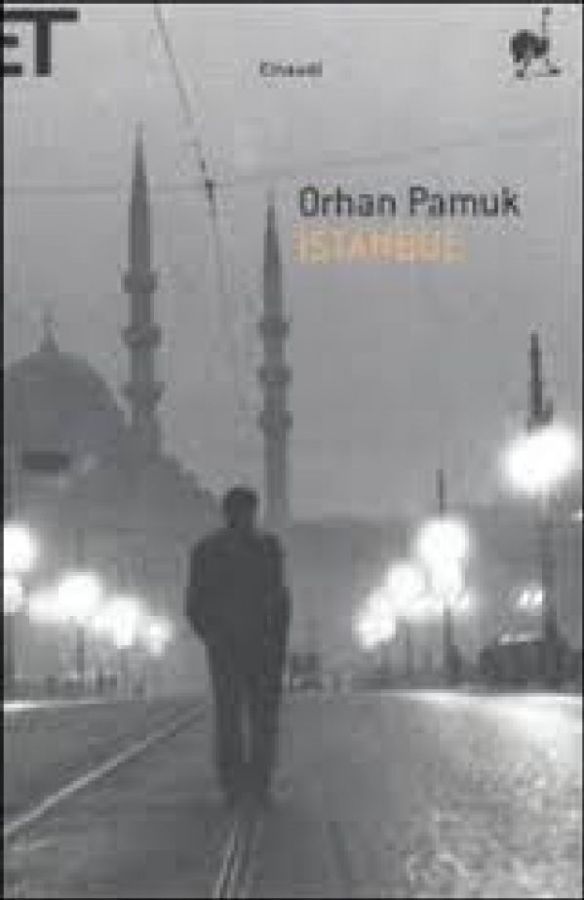
Istanbul
> I know that my inspiration draws strength from my attachment to the same house, the same street, the same view, and the same city... this bond of mine with Istanbul means that the fate of a city can become a person’s character . In this book, Pamuk recounts how he became a writer, yet in doing so he cannot help but speak of his Istanbul—the city of the 1950s and 60s, in full decline, not by c
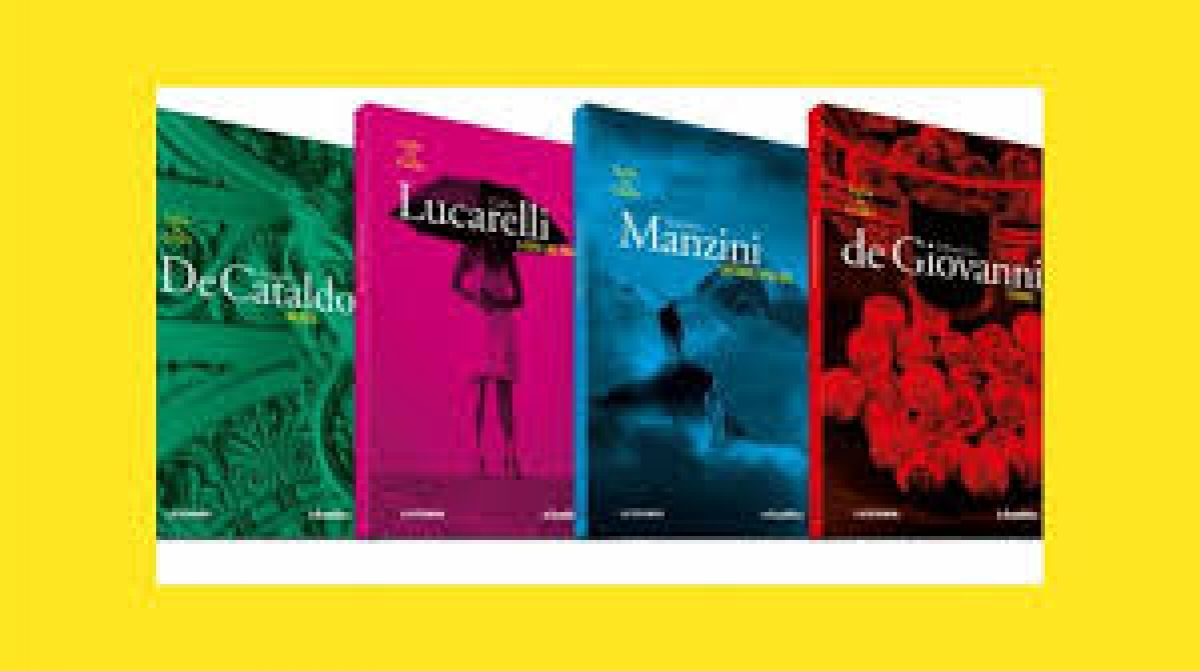
Italy in Giallo
The daily newspaper *La Stampa* offered alongside the paper a series of noir short stories: Macchiavelli, De Silva, Fois, Lucarelli, Manzini, Carlotto, Simi, Robecchi, Malvaldi, Fantini and Pariani, Cassar Scalia, Pastor, Recami, de Giovanni, De Cataldo, and Savatteri. It was an excellent initiative: it provided a survey of the principal Italian writers of the genre. What emerges is that Italian n
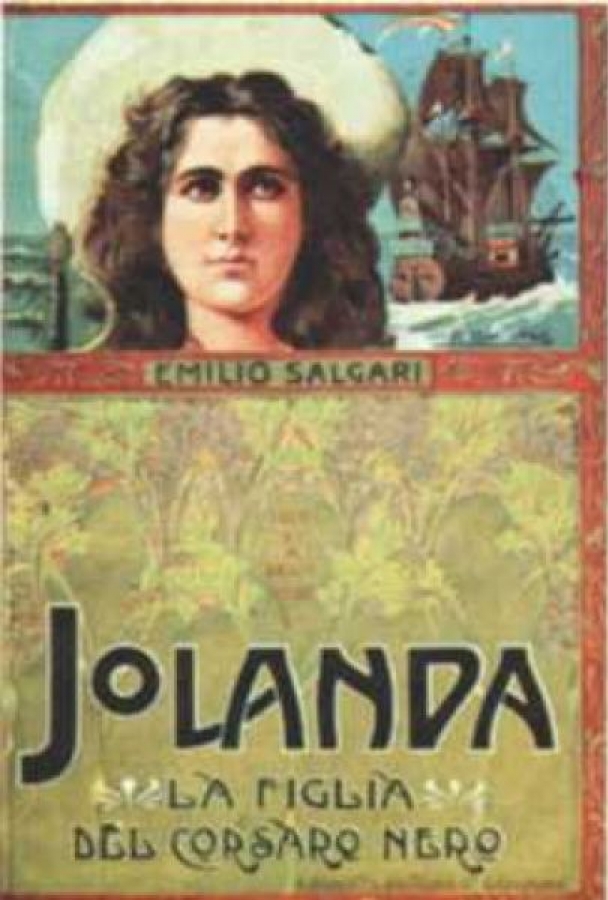
Jolanda, the Daughter of the Black Corsair
The novel is, in a sense, the continuation of *The Black Corsair*. Jolanda, the pirate’s daughter, returns to the Caribbean to reclaim her mother’s inheritance. Here, she is repeatedly abducted by the Count of Medina, her grandfather’s natural son, who seeks to seize Jolanda’s fortune and, above all, avenge the killing of his father—Jolanda’s grandfather—at the hands of the Black Corsair. Morga
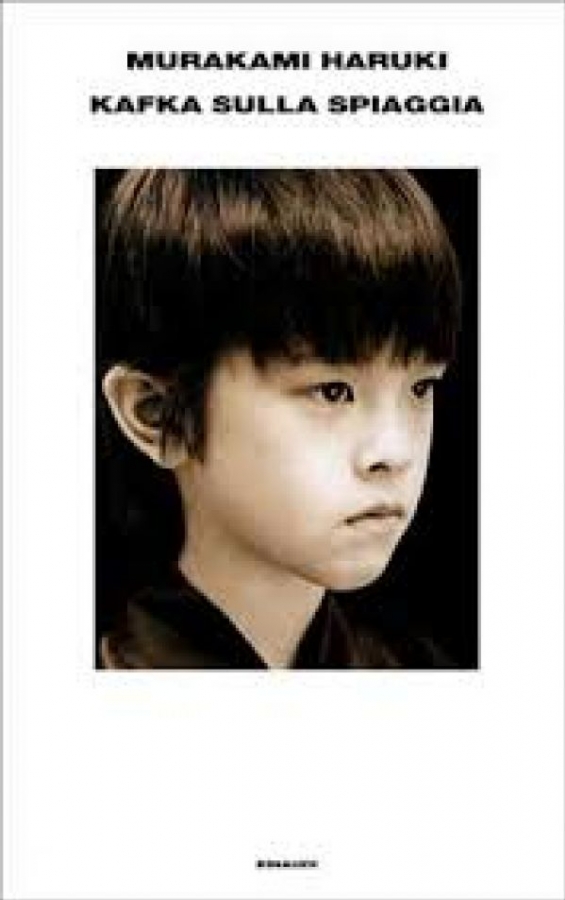
Kafka on the Shore
> I was about to enter the ruthless world of adults, and there I had to survive on my own. Dovevo diventare più duro di chiunque altro / I had to become tougher than anyone else . First and foremost, the book is a bildungsroman, taking its cue from a short story by a major figure of Japanese literature: Natsume Soseki. He recounts the story of a student who runs away from home to work in a min
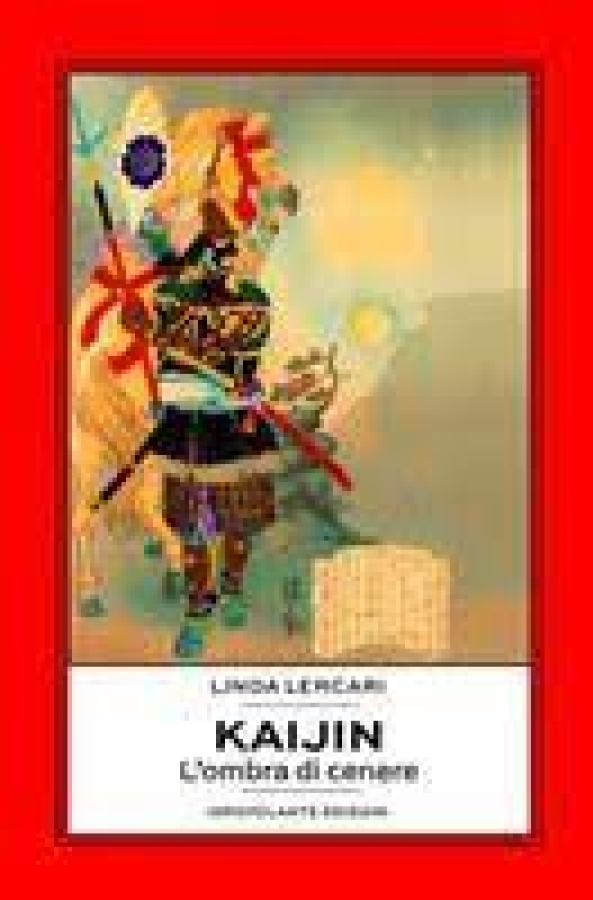
Kaijin the Shadow of Ash
For Giuseppe Ungaretti, there is a mystery within us, unknowable and unspeakable, and the purpose of poetry is not to unveil it but to allow us to strike a balance, as the protagonist of this story, Momokushi, puts it, > between that which is shown to the world and that which is kept hidden; between what is apparent and what is intimate and real. Grappling with this mystery is, ultimately, what a
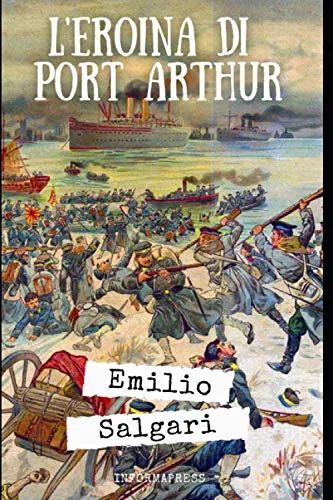
The Heroine of Port Arthur
Emilio Salgari was exceptionally swift at fashioning stories around events that gripped the public imagination; he did so by blending a certain exoticism with wars and romantic intrigues. Such had been the case with *La capitana del Yucatan* and *Le Stragi delle Filippine* (see the reviews on this site), and so it is in this novel, published under a pseudonym in 1904. The backdrop is the Russo-Jap

The Idiot
The novel pivots on the figure of Prince Myshkin, who returns to Russia after an extended stay in Switzerland, where he was treated for "idiocy"—that is, mental illness. The protagonist’s trajectory unfolds within a setting crowded with characters, from the somber Rogozhin (virtually the personification of evil) to a succession of opportunists and nihilists, through to two female characters (Nast
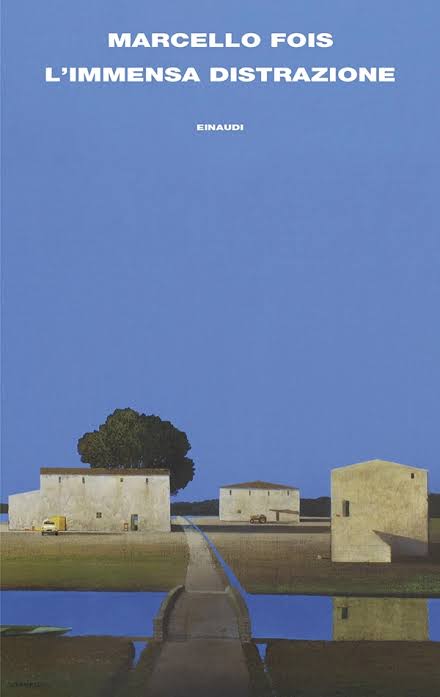
L'immensa distrazione
> Ettore Manfredini, nonostante fosse appena morto, (…) ebbe la netta sensazione di svegliarsi. (…) Ora che acquisiva una strana dimestichezza, (…) per la prima volta dal suo risveglio, intravedeva qualche spezzone della sua vita mortale come se fosse estraneo a sé stesso e potesse assistersi nell’atto del trapasso. (…) Morire, si disse a quel punto Ettore Manfredini, è come diventare un narratore
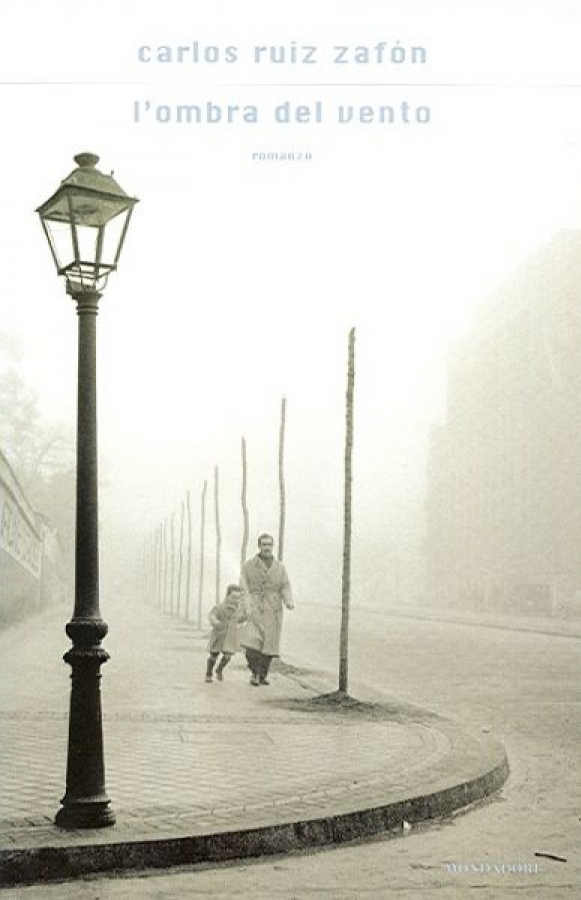
The Shadow of the Wind
The setting is Barcelona during Franco's Spain, in the 1950s. The son of a bookseller is taken by his father (a dealer in antiquarian and rare books) to the Cemetery of Forgotten Books, a repository for all those volumes no one will ever seek out. Here, the boy picks up a novel by a Spanish author. Reading it draws him into a sequence of events that unfolds across his youth, in a sort of parall
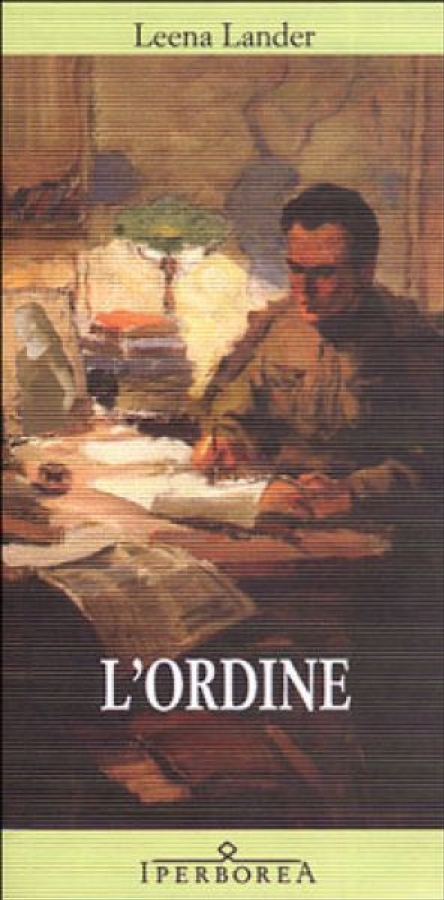
The Order
The novel’s settings are the Finnish winter and spring, while the historical context is the war between the White forces, fighting to defend the country’s independence, and the Red forces, intent on extending the communist revolution to Finland as well. War, intertwined with a wild and pristine natural world, forms the backdrop to the ordeal of an imprisoned woman and her interactions with the ju

The Watchmaker of Brest
In his splendid biography of Matteo Ricci (*The Memory Palace of Matteo Ricci*, published in Italy by Adelphi), Jonathan D. Spence recounts how the Jesuit missionary won over the Chinese mandarins with the gift of clocks brought from Europe. What astonished the Confucian elite was the exquisite mechanics of seventeenth-century Europe and the notion that time could be dissected into infinitely smal
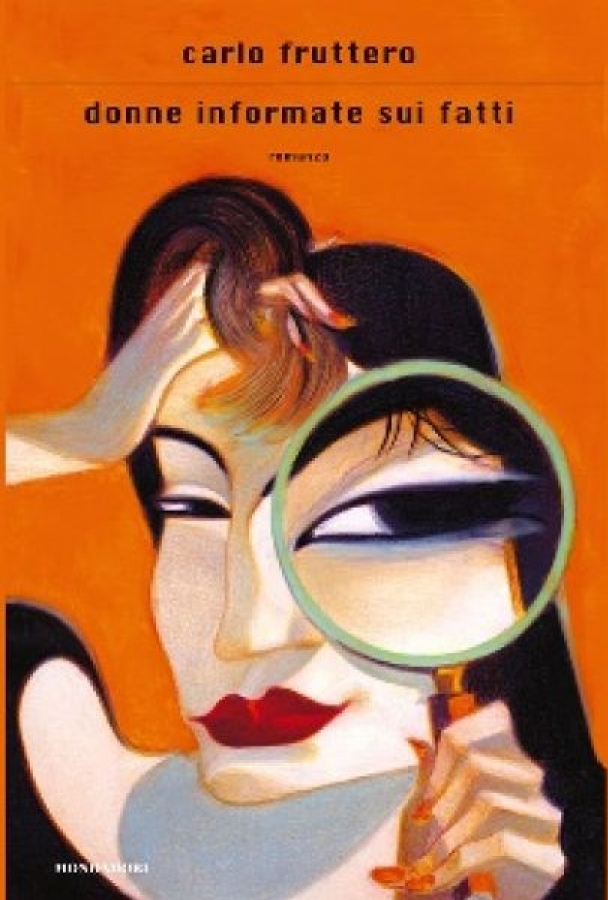
The Last Lombard
It is a historical novel set in the year 900, during the disintegration of the Lombard world. The protagonist, Arechi, is educated at the papal court, later becomes a powerful lord of Cividale, and returns to the papal court as guardian of the papal throne. He leads a life of crime and intrigue, only to repent on his deathbed. The book is insipid. There is no characterization of the characters

The Sentimental Man
An opera singer recounts a dream in which he relived a love affair: several years earlier, in Madrid, he had met and spent time with a couple—the wife of a prominent businessman and her male companion. The singer had fallen in love with the woman, whose husband later killed himself out of despair. While writing down the contents of the dream, news reaches him of the accidental death of his forme
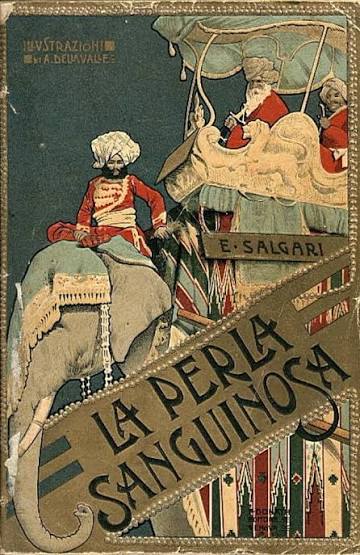
The Bloody Pearl
Although he went by the moniker "Captain Salgari," the Veronese writer never actually traveled; for his novels, he relied on the numerous accounts of explorers and geographers who brought back to Europe tales of hitherto unknown worlds—accounts that blended reliable reports with fanciful inventions, steeped in a burgeoning racism. Our author was always deft at promptly seizing upon "the trend," ch