
Matterhorn
The novel is set in Vietnam and recounts the dramatic ordeal of a company of the American military, forced first to garrison an outpost in the middle of the jungle, then to abandon it when deemed useless by military command, and finally to retake it in a bloody battle. Matterhorn is a mountain, a circumscribed territory, a microcosm that allows the author (a highly decorated former Marine) to nar
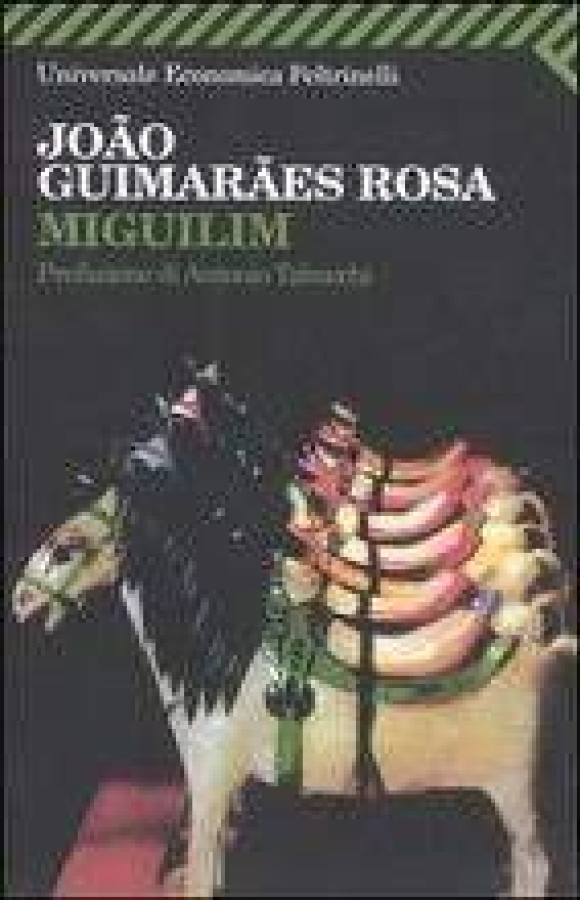
Miguilim
> A certain Miguilim lived with his mother, his father, and his siblings, very far from here, (...) in the Mutùm. In the middle of the Campo Gerais, but in a hollow within forest country, black earth, at the foot of the mountains. Miguilim was eight years old . With this fairy-tale incipit, Guimarães Rosa narrates an extended peasant family through the eyes of a child. > Miguilim had no desire
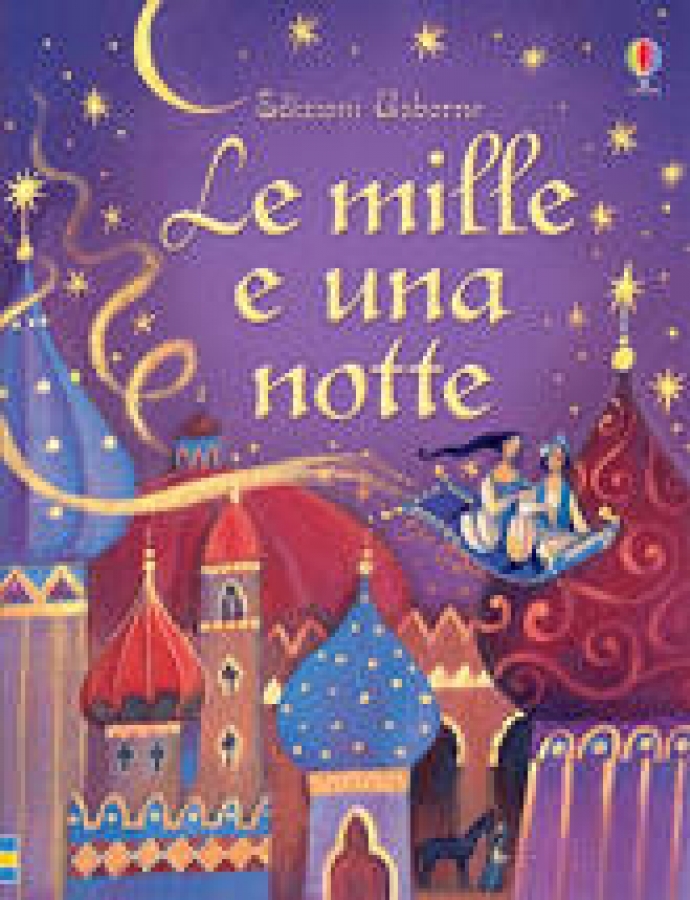
The Thousand and One Nights, Volume I
*The Thousand and One Nights* is an Arabic manuscript likely dating back to the Abbasid Caliphate, between 750 and 900 AD: the setting is the fabulous empire of Baghdad, stretching from North Africa across the Arabian Peninsula to Central Asia and India. Its discovery is credited to Antoine Galland in the early eighteenth century, and from that moment the text spread throughout the West, sparking
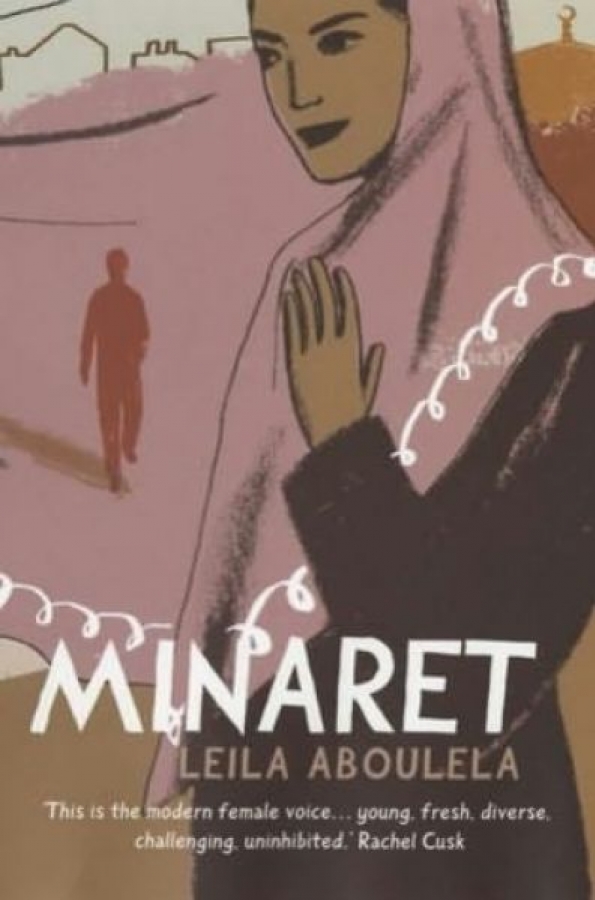
Minaret
Najwa is a Sudanese young woman, the daughter of a wealthy and influential family. Following a coup d'état in which her father is imprisoned and sentenced to death, Najwa moves to England with her mother and brother. Here, her life changes radically: her mother dies, her brother is convicted of drug use, and she is forced to work as a maid for wealthy London families, mostly of Arab descent. Sh
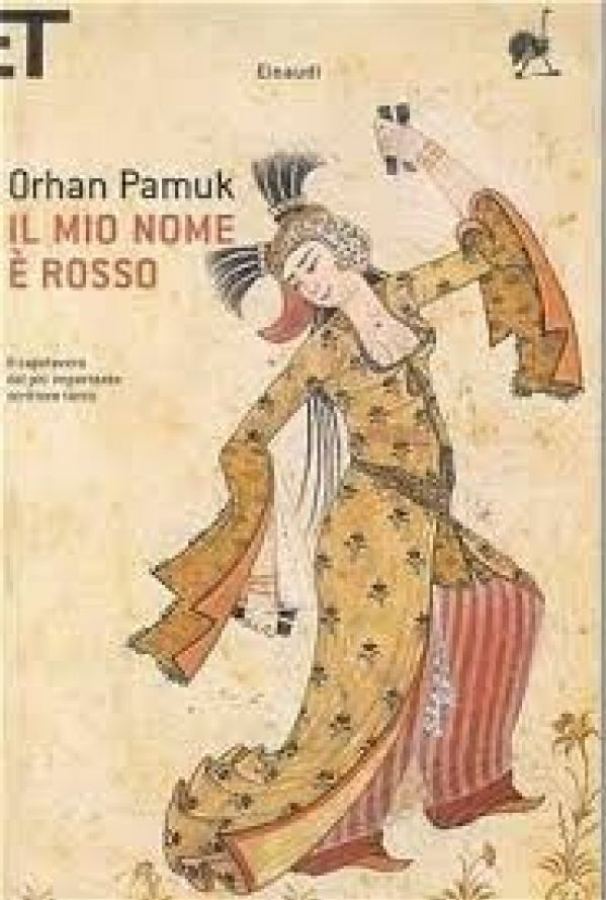
My Name Is Red
The book unfolds across multiple plotlines, difficult to trace back to a single narrative thread. A first path concerns the decline of the miniature painting technique, which had flourished in the sixteenth century under the influence of Persian and Chinese art. Ottoman miniature art justified the depiction of images to accompany books on the grounds that real individuals were never portrayed an
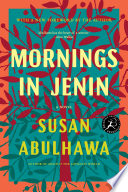
Morning in Jenin (every morning in Jenin)
"I wonder: is there, in the listener, / a place where my voice may rest? / A harpoon, / tiny and concealed, / to hold memory fast before it scatters." (from Francesca Mannocchi, “The Harpoon of Memory,” from the collection *Crescere, La Guerra*, 2026). Is it possible to anchor ourselves to something within, so as not to forget "the particles of blood-soaked dust and the sickly-sweet smell of decay
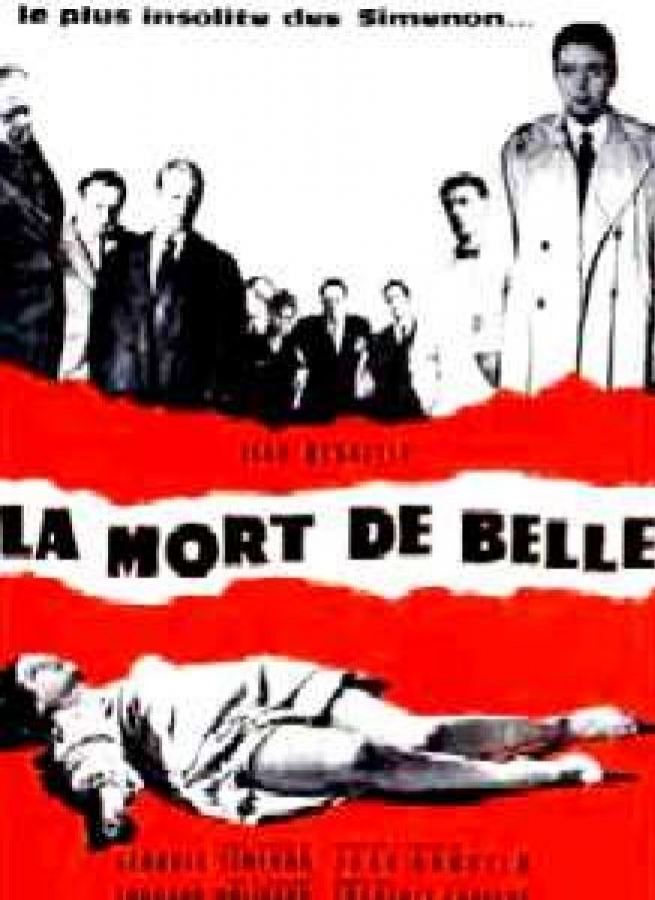
The Death of Belle
A teacher who has always led a quiet, monotonous life is thrown into turmoil by the murder of a young woman who had been staying with him for several months. One evening, in fact, the protagonist finds himself home alone, as his wife has gone out to play cards with friends. The girl returns home, gives an absent-minded greeting, and goes straight to her room. In the morning, she is found dead.
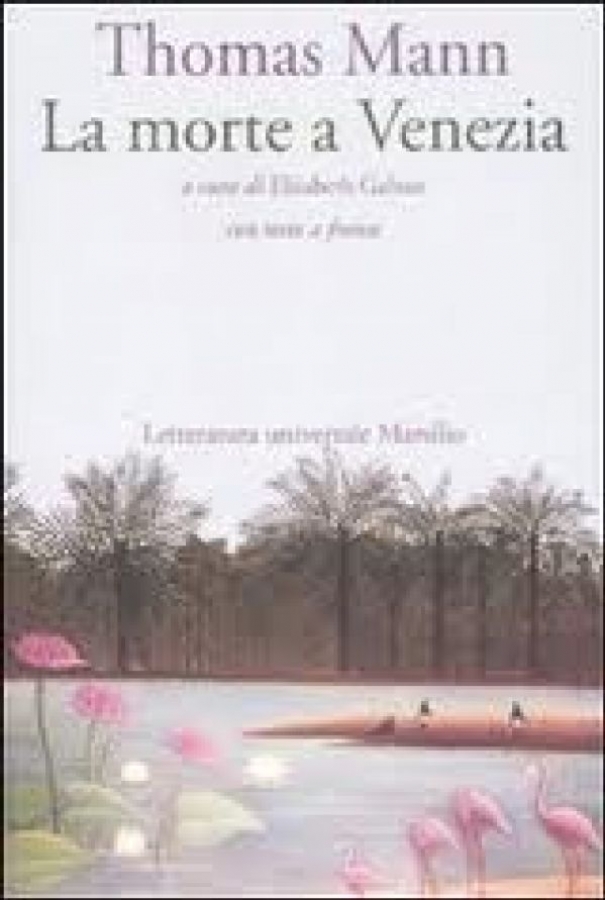
Death in Venice
The protagonist is a renowned man of letters. > He had never known idleness, never the carefree negligence of youth . He had led > a life of self-conquest and of "in spite of all," a harsh, tenacious, and temperate life, which he had shaped into a symbol of a delicate heroism commensurate with the times . Yet deep within him there had always been an inner restlessness, “a strange expansion
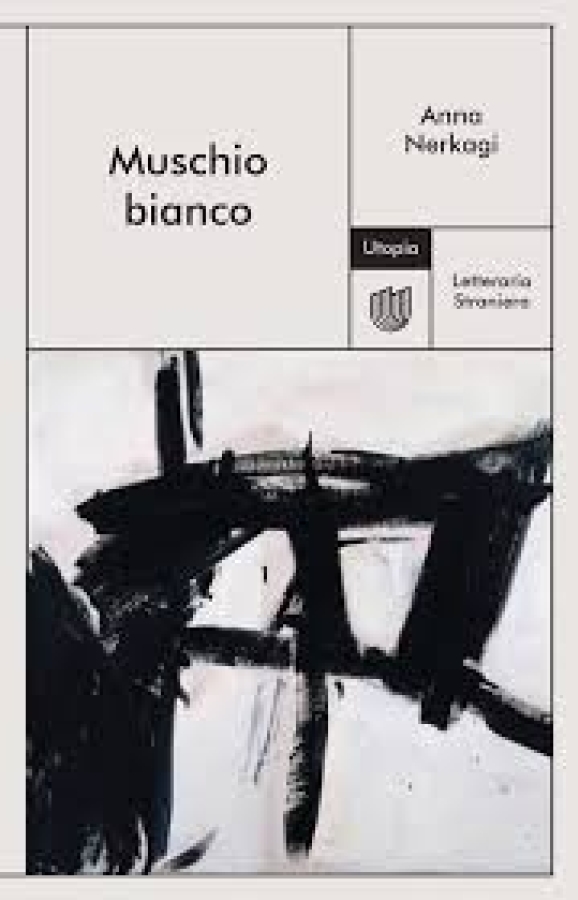
White Musk
To comprehend this literary "gem," one must return to an earlier novel by the author: *Aniko*, a review of which can be read on this site. Aniko has abandoned her people, the Nenets, to live far away, leaving behind Aleska, her childhood companion, and her father, Petko. The tale begins with the decision of Aleska’s mother to find a wife for her son. > Her husband had died, (...) yet the hearth
The namesake (the nickname)
> Transform yourself into words: (...) if running around a single name it is always you and me at stake and always the same the potent weapons of mourning and affliction that even in dreams chase my smoothness to ruin (Cosimo Ortesta, from *Il progetto di un freddo perenne*, 1988). Reading this novel brought this line of Ortesta’s to mind: names follow us throughout our existence, speaking of ou

The Birth of Rome
The book chronicles the events surrounding the birth of Rome through the story of two brothers, Servio and Plistino. Enslaved, they flee to find freedom in Rome, which was then coalescing around the figure of Romulus. The two brothers make their fortune, but Servio is unable to have children, and Plistino’s descendants perish in a plague. Servio and his wife resolve to adopt one of the brothers

No one turns back
We find ourselves shortly before the Spanish Civil War (1936–1939); a group of young women comes together in a nunsʼ boarding house in Rome. An intimate and intense friendship develops among these young women, despite their different social classes and diverse personal experiences. It is as if the external social structure were momentarily suspended, allowing them all to live with a freedom and
All Quiet on the Western Front
The novel, made famous by a film, is a war diary. Set during the First World War, it recounts the story of a group of German twenty-year-olds: “the iron youth,” as their schoolmasters called them. Everything is confused; memories of their previous lives are > mute visions, (...) an immense, disconsolate melancholy. (..) As long as we were in the barracks they awakened in us a wild and rebellious

Nothing is true except the eyes
With this novel as well, Faletti confirms his standing as a fine author of American-style thrillers. An excellent style and a brisk narrative pace that nonetheless leaves room for evocations of the mysteries surrounding life and human relationships. The only flaw lies in the fact that the protagonist sees the scenes through the eyes of one of the murder victims—eyes that were transplanted into h

The New Life
The novel’s protagonist is the book: a book, but also all books. > The culprit is not only that book, the book that deceived my son, but all books pouring from the printing presses; they are all enemies of our time, of our lives . Thus spoke Mehmet’s father menacingly—Mehmet being one of the novel’s central figures, the first to read the book and flee. The other two protagonists are Osman, a
Odyssey
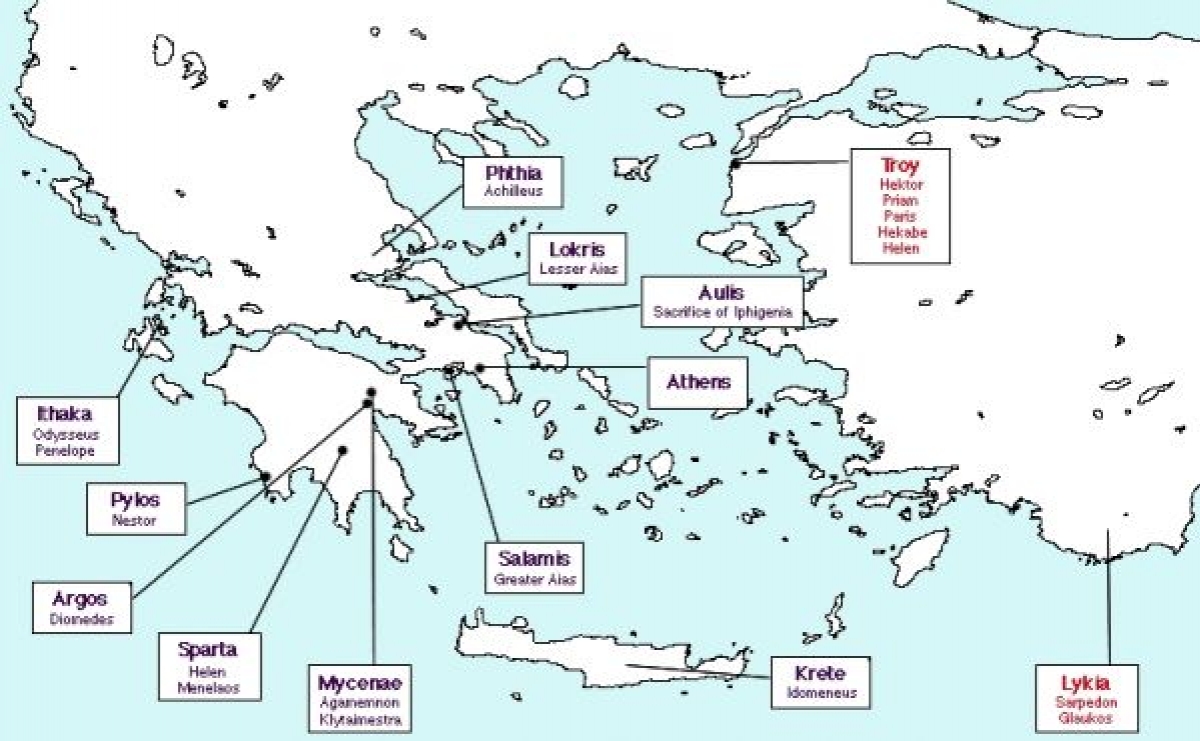
The book centers on Odysseus’s return to his home and is structured into four parts: the preamble, in which a council of the gods, on Athena’s proposal, resolves to allow Odysseus to resume his journey home by ordering Calypso to release the hero; the decision of Telemachus, Odysseus’s son, to rid himself of the suitors, who continue to frequent the palace and squander his father’s estate. After

Beyond Babylon
The novel is a skein of narratives, set across different times and environments, yet traceable back to two family stories. Mar is the daughter of Miranda, an Argentine woman, and a Somali father she never knew. Zuhra is Somali, the daughter of Maryam and likewise of an unknown father. They grew up and live in Rome and are Italian, yet neither knows what her mother tongue truly is, both feeling
One of us and Home, sweet home
These are two short stories which, as is customary for Fante, are set within the milieu of the typical Italian family. In the first story, a telegram arrives announcing the death of a cousin, a boy who had been a childhood playmate of Mike, one of the family’s many brothers. A deeply humorous scene unfolds: while the mother weeps for the grief of her sister, who has lost a son, the boys fight ov

Opinions of a Clown
Hans is a young man from a wealthy and influential family who works as a clown and has been left by his girlfriend, Maria. A devout Catholic, the young woman could no longer live with Hans, who is fiercely critical of religion and, more broadly, of bourgeois respectability, and who cannot stand the Catholic circle Maria frequents. Hans turns to drink and finds himself jobless, alone in his flat,

Our Man in Havana
The novel is set in Cuba in the period immediately preceding the revolution. The protagonist, a vacuum cleaner salesman (business is bad) and a widower with a fourteen-year-old daughter, is recruited by British intelligence as an agent in Havana. Enticed by the money, the protagonist fabricates a fictitious network of spies and invents a stream of reports, which are, of course, utterly false. G
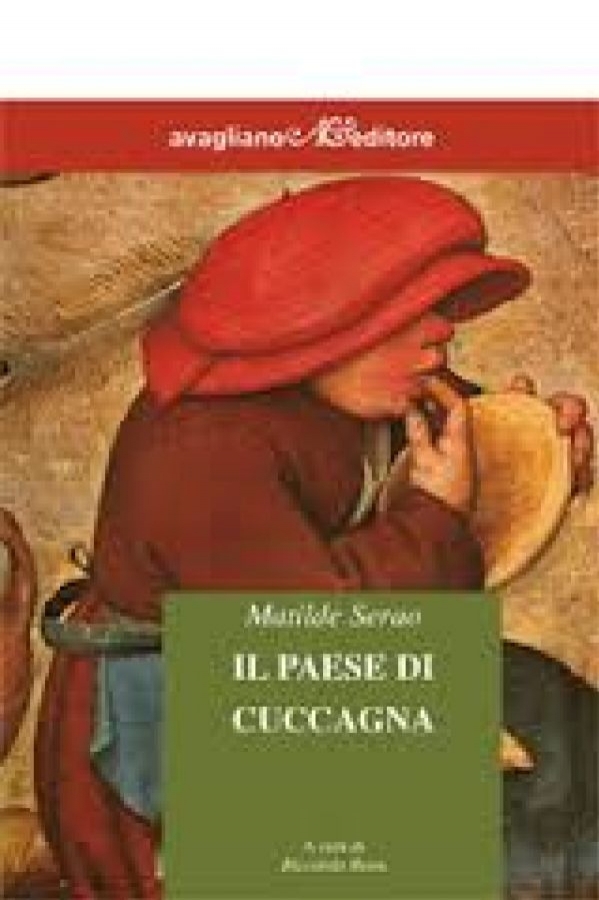
The Land of Cockaigne
A composite crowd, without distinction of sex, wealth, or social standing, gathers awaiting the lottery draw. That morning they feel > the need to eat, to drink, to smoke, feeding vividly on visions of Cockaigne in their imagination, dreaming (...) of a whole bellyful of rich, fatty feasts, devoured in imagination . While the Neapolitan populace, anxious, overexcited, deluded, follows the dra
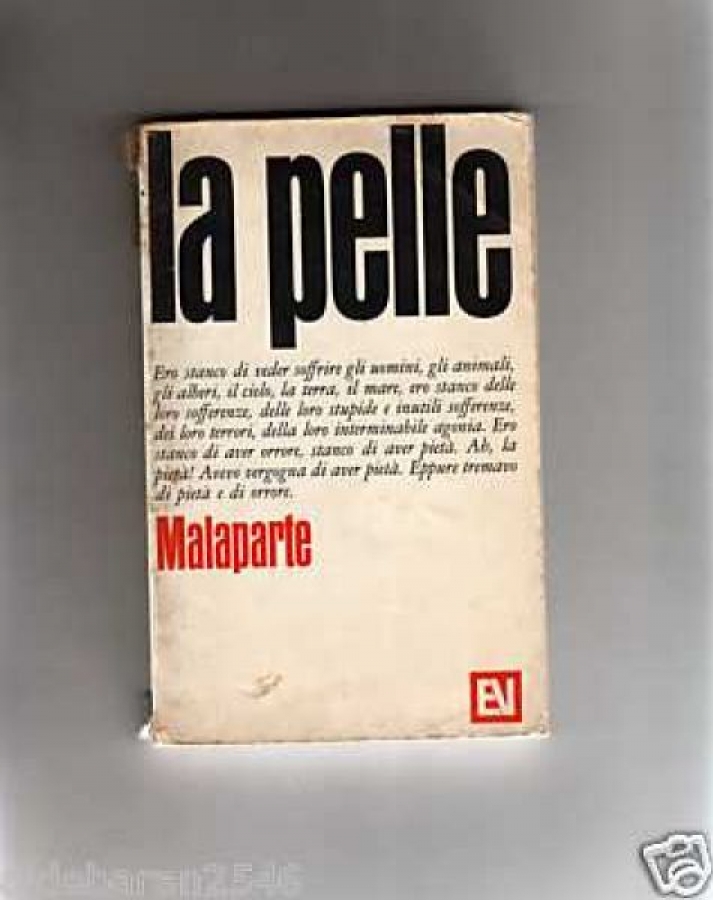
The Skin
The book is set during World War II, amid the American advance: in Naples and then, in the final chapters, in Rome and Florence. Malaparte serves as a liaison officer between the Americans and the Italians. And from this arises the contrast between a young and simple society (the American one) and one that is by now decadent and in ruins (the European one). Beyond the themes tied to the immedia
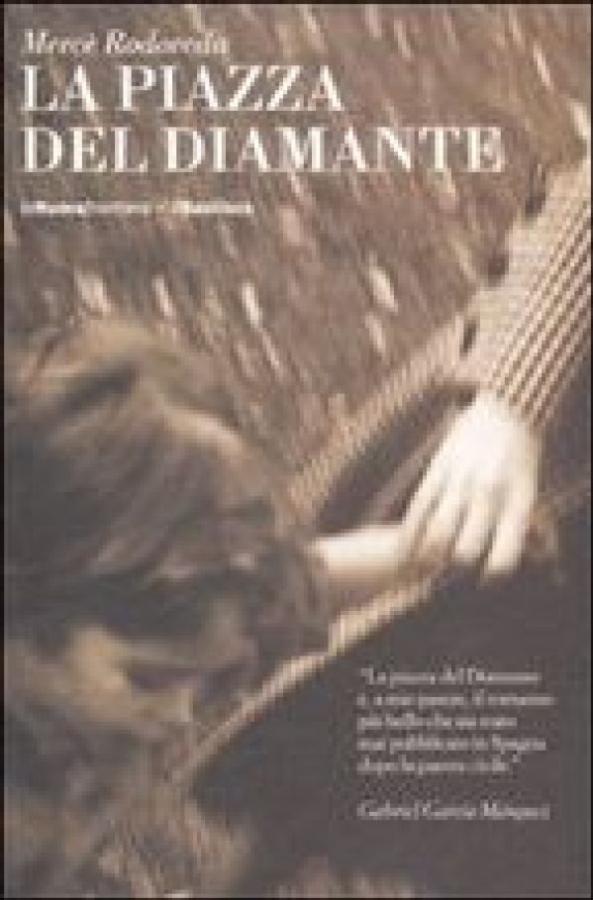
The Diamond Square
> I lived as a cat must live: up and down, tail lowered, tail held high, now it is time to eat, now it is time to sleep; with the difference that a cat does not have to work to live. At home we lived without words, and the things I carried inside frightened me because I did not know whether they were mine . The protagonist, Natalia, known as Colombetta, is the first-person narrator. She is a y
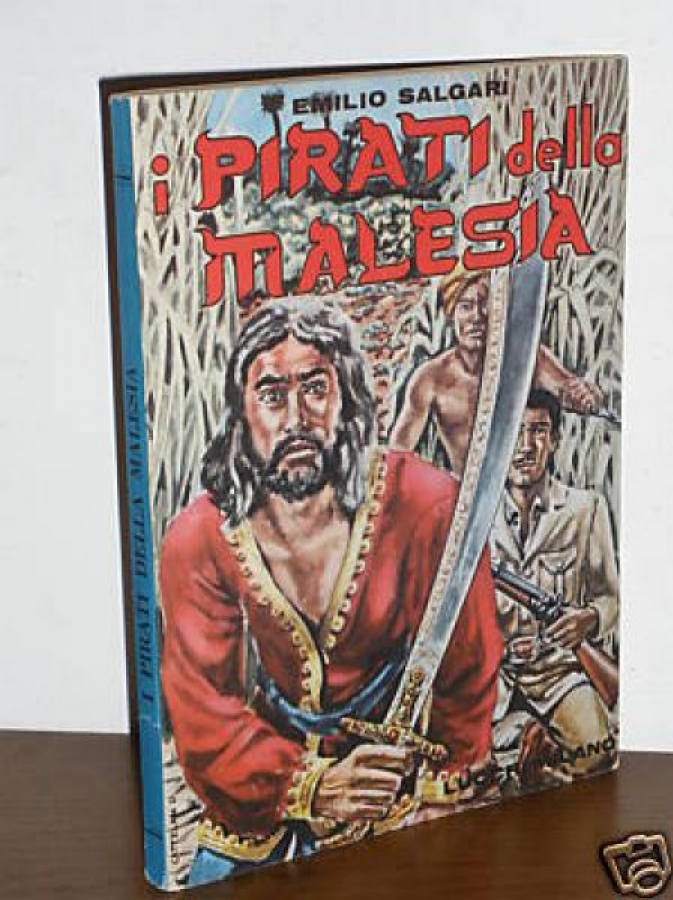
The Pirates of Malaysia
The pirates of Malaysia attack a ship aboard which Kammamuri is traveling with a young girl, mad. Kammamuri’s courage convinces Sandokan to spare his life and help free the girl’s fiancé, who is held prisoner by Rajah James Brooke. A series of intense adventures unfolds, leading to Sandokan’s victory over the Rajah, the liberation of the girl’s fiancé, Tremal-Naik, and the recovery of sanity by