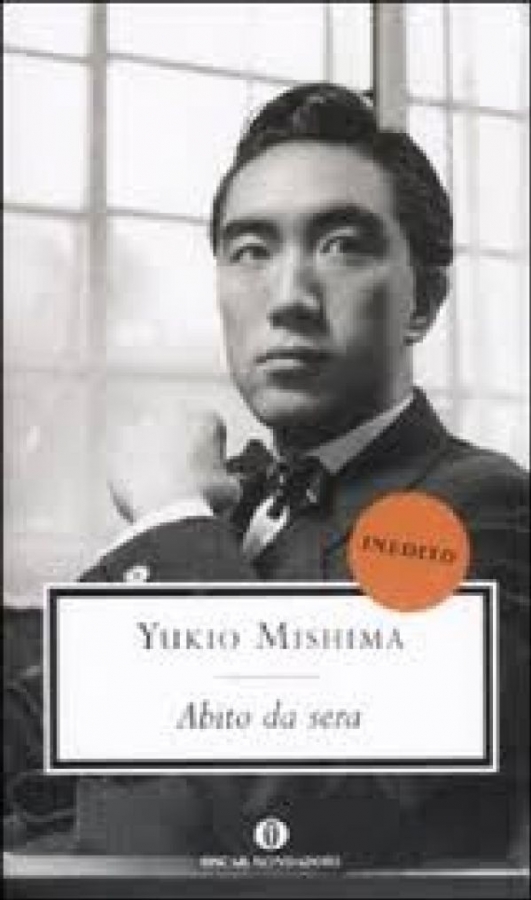
Evening dress
The novel is set in 1960s Japan, when the upper and middle bourgeoisie is becoming Americanized, flirting with Western customs, eager to forge international ties. Ayako is the daughter of a minor yet rising pharmaceutical entrepreneur: she has “amiable” features. > Over those features, even with fashionable makeup, hovered harmony and freshness, and her face, by no means plump, gave the impress

Accabadora
Maria is a *fillus de anima*, > that is what they call children born twice, of the poverty of one woman (who gives them away) and the barrenness of another (who welcomes and raises them). In our case, Maria has been “adopted” by Tzia Bonaria, an elderly widow. The novel’s first part, the most accomplished, recounts Maria’s childhood and adolescence, and in particular her gradual acquaintance
L'Adalgisa
Il libro è costituito da 10 racconti, che sono altrettanto bozzetti della vita della borghesia milanese degli anni ʼ30. Il tratto comune è una lieve ironia di una società soddisfatta di sè stessa, attenta ai soldi, ai buoni matrimoni, alle occasioni mondane, ma anche alla cultura tecnica, «allʼingegnere». Le scene della vita lombarda sono, poi, lʼoccasione per Gadda per una esplosione di parole,

The Adolescent
Arkady Dolgoruky, the first-person narrator, is the natural son of Versilov, > a cold and proud man, haughty and negligent toward me, who..., having fathered me and abandoned me among strangers, not only did not know me at all, but never even repented of it . Arkady suffers deeply from his father’s indifference, not least because the latter has taken his mother with him and reduced the young m

Adwa
The publisher presents the book as a novel with two voices, “that of a father and a daughter.” This summary is certainly accurate. Adua fled Somalia to escape an authoritarian father and to fulfill a dream: to work in cinema and become a famous actress. In reality, she managed to make only one film—a pornographic one. Twenty years later, she finds herself a mature woman, an “Old Lira,” as the
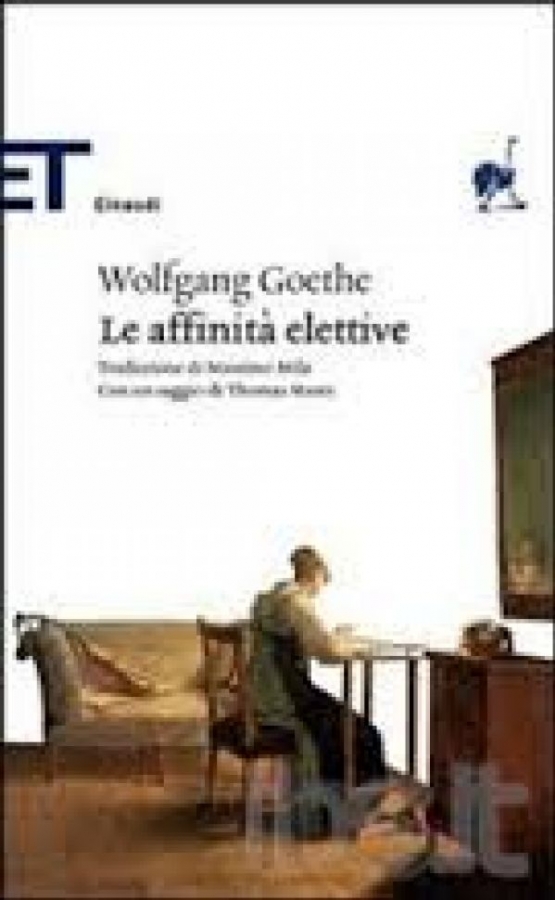
Elective Affinities
In early nineteenth-century Germany, Eduard and Charlotte are two wealthy landowners. Though they loved each other in their youth, they married late in life, after both had been widowed. They possess differing temperaments that seem to complement each other perfectly: Eduard is “in the prime of manhood,” impetuous, generous, but superficial and at times reckless; Charlotte is reflective, patient
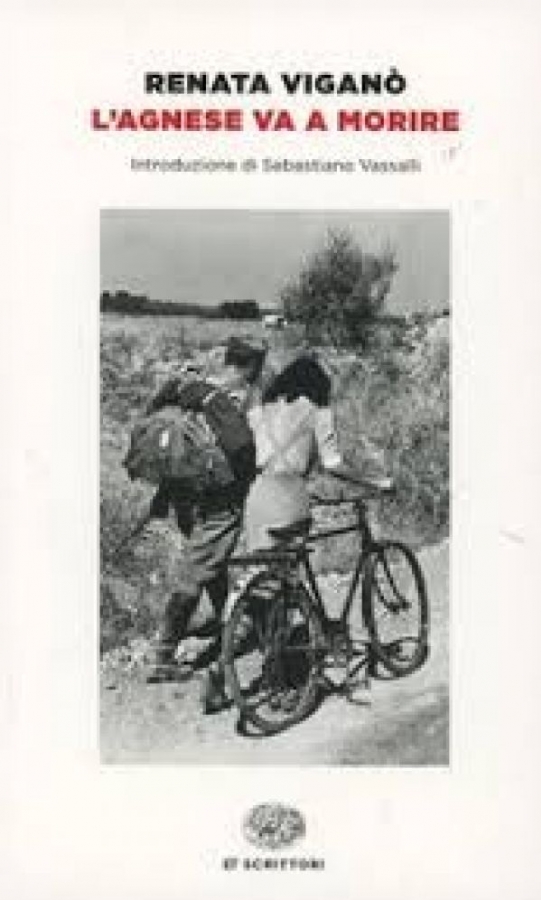
Agnese Goes to Her Death
The novel chronicles the Resistance in the Valli di Comacchio, between the mainland and the wetlands. Unlike the great works on the war of liberation (1943–1945), typically set in the mountains, *LʼAgnese va a morire* tells of the lowland partisan war, where > the Germans did not know that among those men and women, wandering through the snow, many, almost all of them, were partisans. Couriers

Alma
Questo romanzo riporta la mente ad un altro libro, apparentemente così lontano nel tempo e nei contenuti: *Le Confessioni d'un italiano* di Ippolito Nievo (vedi la recensione in questo sito). Come per Alma, il grande racconto di Nievo è una storia d'amore, che prende le mosse dall'infanzia in quella terra marginale che è il Nord Est dell'Italia. Carlino, il protagonista narrato da Nievo, è innamor

Almarina
> I will never be able to tell if it is Naples or if it is me. (...) Or if it is truly the sight of that ugly tenement on the other side of the gate, the swelling yellow wave, the domes beneath the clouds, architraves too heavy for a woman alone to bear. If reality is made of unreachable terraces, unreachable powers as they describe them... . With this opening, the reader is led to believe they a
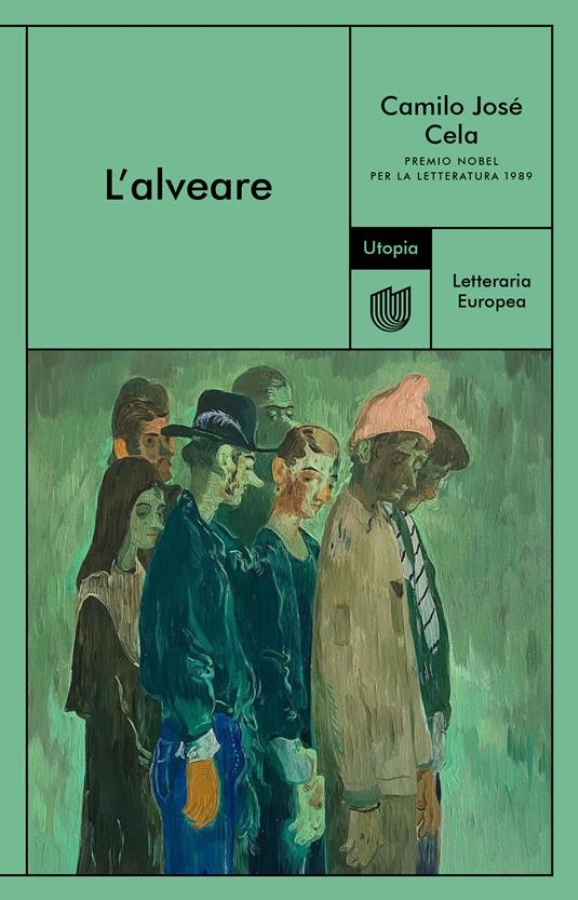
The Hive
The novel is set in Madrid during World War II: it is a period of deep economic crisis, marked by widespread squalor and a sense of "hopeless waiting"—the expectation of generic change paired with resigned pessimism. Dona Visi is happy because her daughter has found a fiancé, > someone studying for a position as a notary , her husband > tosses and turns between the sheets, > Fine, hold off

The Palestinian Lover
Can a love story bridge the ineluctable chasm between two peoples? The novel answers this perhaps overly naive question in the negative. And it does so by retracing a bewildering affair: the relationship between Golda Meir, an authoritative Israeli prime minister in the early 1970s, and Albert Pharaon, scion of a wealthy Palestinian family. The book traces the history of the nascent State of Isr
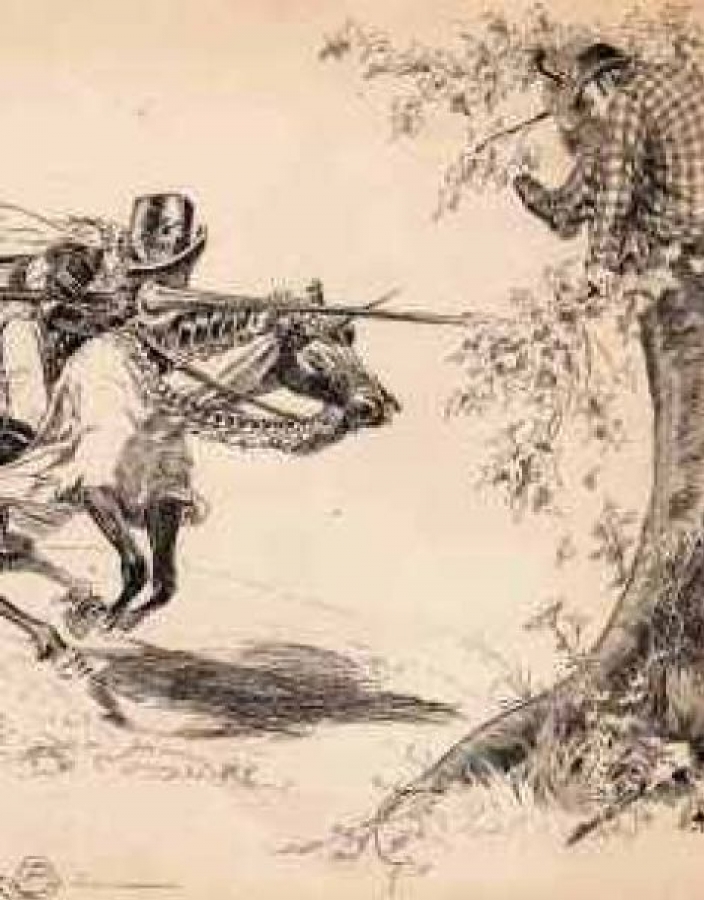
A Connecticut Yankee in King Arthur's Court
The book is a moralistic fable. A nineteenth-century industrialist finds himself hurled into King Arthur’s court. He attempts to introduce an industrial, capitalist culture, which the author regards as vastly superior—because more rational and efficient—to that prevailing in the Middle Ages. The attempt fails miserably due to the opposition of the Church and an enchantment by the wizard Merlin
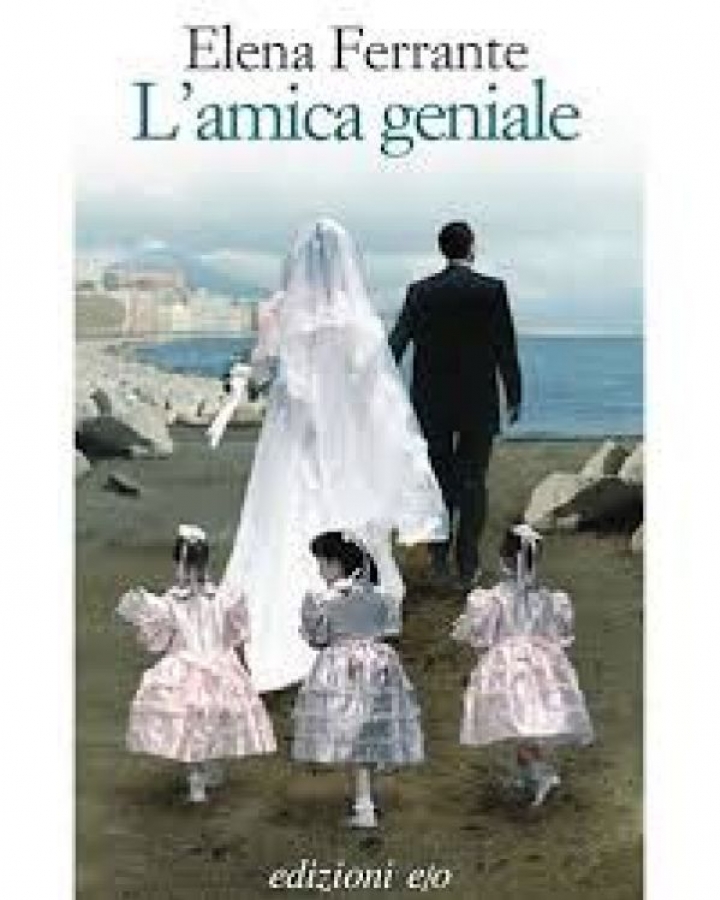
My Brilliant Friend
For much of the novel, the brilliant friend seems to be Lila; she is intelligent, capable of mastering any subject (even Latin) without attending school; she is brave, creative, enterprising; with adolescence, she also blossoms into a stunning young woman. Elena, the first-person narrator and co-protagonist alongside Lila, has been enthralled by her since elementary school, yearning to resemble h
Surrendered Love
In an earlier novel, *The Golden Cangue*, the protagonist fails to escape the mechanisms of her family and descends into madness, bringing ruin upon herself and those around her. In the first of the two stories in this book, *Love in a Fallen City*, Liusu is likewise despised by her relatives, but seizes the opportunity of a chance encounter to escape a house that > had something of a dwelling
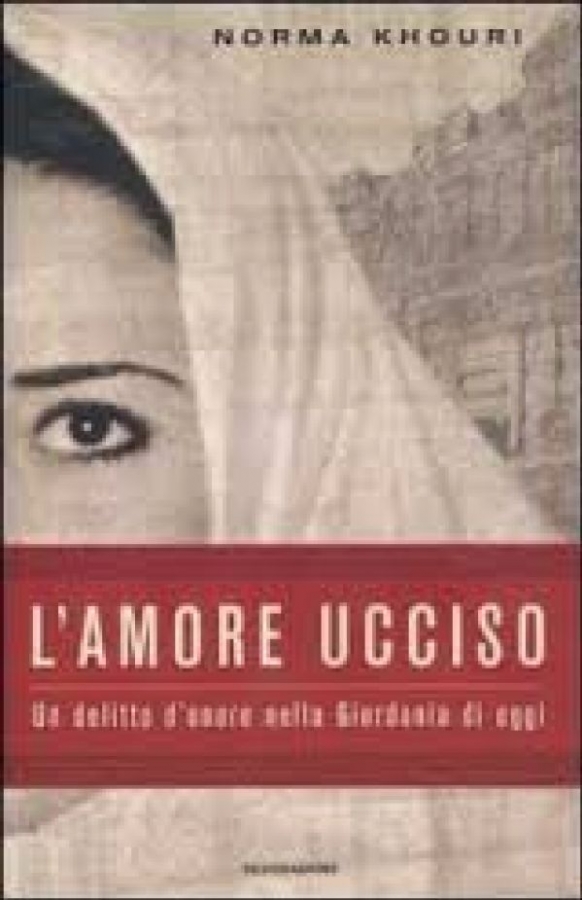
Murdered Love
Imagine something akin to Anna Premoli’s novel (*Ti prego lasciati odiare*): a love story, delicate, mildly ironic, woven from brisk dialogue and youthful musings. It could be a tender fairy tale, were it not set in Jordan—which, for most women, is > an oppressive prison, its atmosphere rendered all the more fraught by the risk of dying at the hands of one’s own relatives. Jordan is my home.
Aniko
The Nenets are a people of just over 40,000 individuals, settled in the northeastern part of the Ural region: their economy is fundamentally based on reindeer herding. Like many young Nenets, Aniko left to study far from her homeland: first at a boarding school in the nearest town, then further away still, to study geology at the university. She assimilated Russian language and culture to the poin
Dead Souls
> Blessed is the writer who, leaving aside characters that are tedious, repulsive, striking in their sorrowful reality, approaches characters that reveal the highest qualities of man..... > Sublime, universal poet they proclaim him.... > far different is the fate of the writer who dares evoke into the light all that is forever before our eyes, yet which indifferent eyes do not perceive: the enti
Barefoot Souls
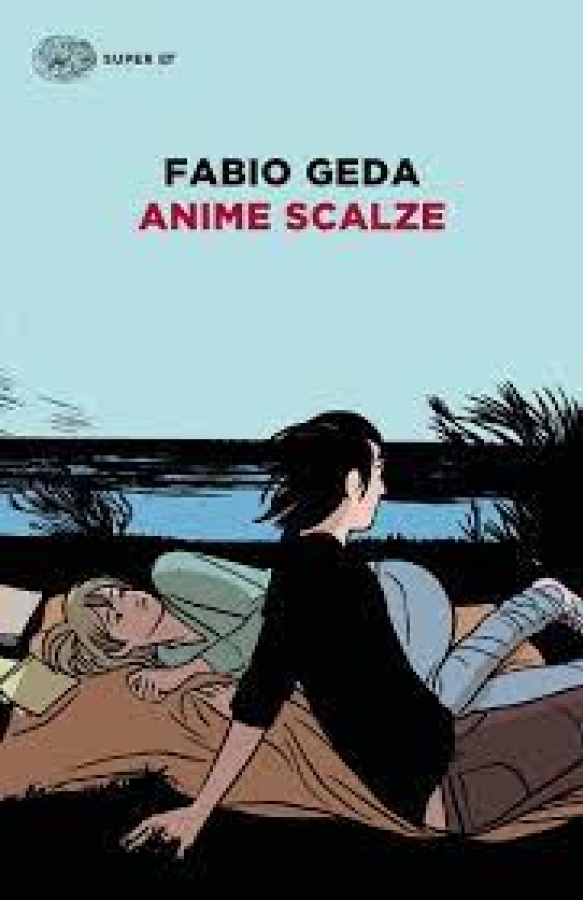
The story opens with Ercole and his little brother Luca on the roof of a shopping mall, with the police yelling at them to come down. From the narrative, we learn that Ercole is fifteen years old, living with his older sister Asia and an absent father who takes whatever work comes his way and frequently gets into trouble. Ercole knows full well that Asia «was strong, yes, brave, but not indestruct
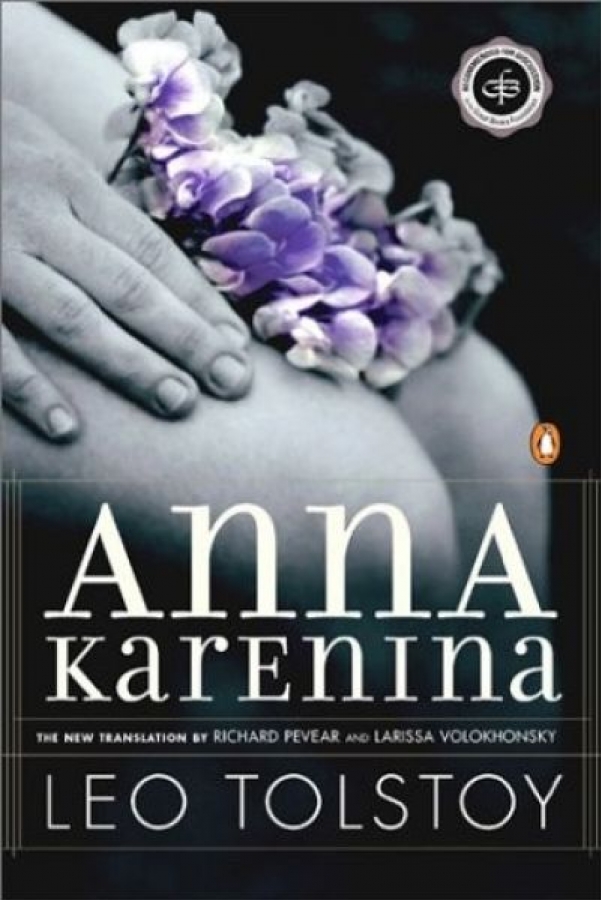
Anna Karenina
The novel relates two parallel storylines originating in Kitty’s refusal to marry Levin, favoring the handsome and dashing officer Vronsky. From this act of vanity and levity, immediately undone by Vronsky falling in love with Anna Karenina, Levin’s trajectory begins: his love for the countryside, his rapprochement with Kitty culminating in marriage and the discovery of faith; while Anna’s sorrow
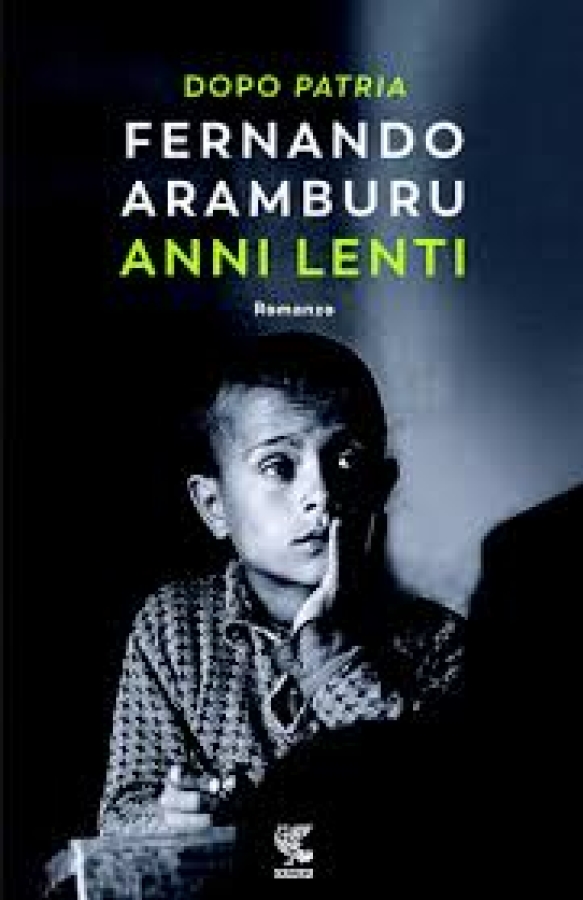
Slow Years
In *Patria*, the author confronts with forceful tones the psychological and existential consequences of the civil war that bloodied the Basque Country from 1968 to 2011 (see the review on this site). With *Slow Years*, Aramburu tackles the same themes, yet with placid, almost dreamlike accents. Then again, > when I pause to review my memories of those years (those of Franco's Spain), an old feel
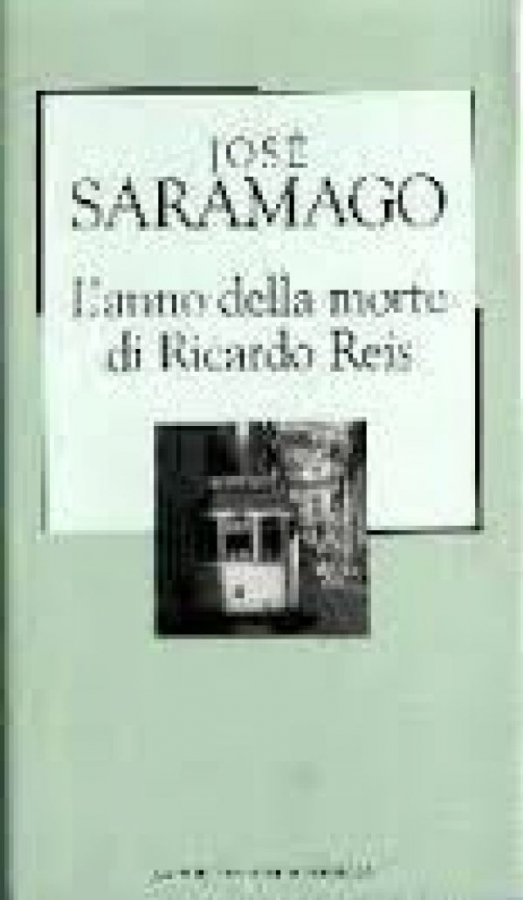
The Year of the Death of Ricardo Reis
Ricardo Reis is one of the many names under which Fernando Pessoa, the greatest Portuguese writer of the twentieth century, signed his works. The author imagines that a Ricardo Reis, after sixteen years spent in Brazil, returns to Lisbon in the very year of Pessoa’s death, 1935. It is pointless to seek a plot in the novel; as in Joyce’s *Ulysses*, the real subject of the narrative is the wanderi

The Ring Finger
While in ancient Egypt embalming was practiced to preserve the deceased for eternity, the Shinto worldview and a certain measure of fetishism lead, in Japan, to the preservation and safekeeping of objects and living beings that are important in one's life. The novel speaks of a "specimen," and the technique employed is perhaps akin to that used for the wet preservation of fluid specimens using for
Apartment in Istanbul
The protagonist is a German woman in her forties who lives in Turkey and runs a bookshop specializing in crime fiction. She describes herself this way: > I have a double chin, orange hair, a mobile phone (an older model, though), and a circle of friends on antidepressants. I am always nervous, but I don't know why . Saddened and disheartened following an argument with her boyfriend, she sets
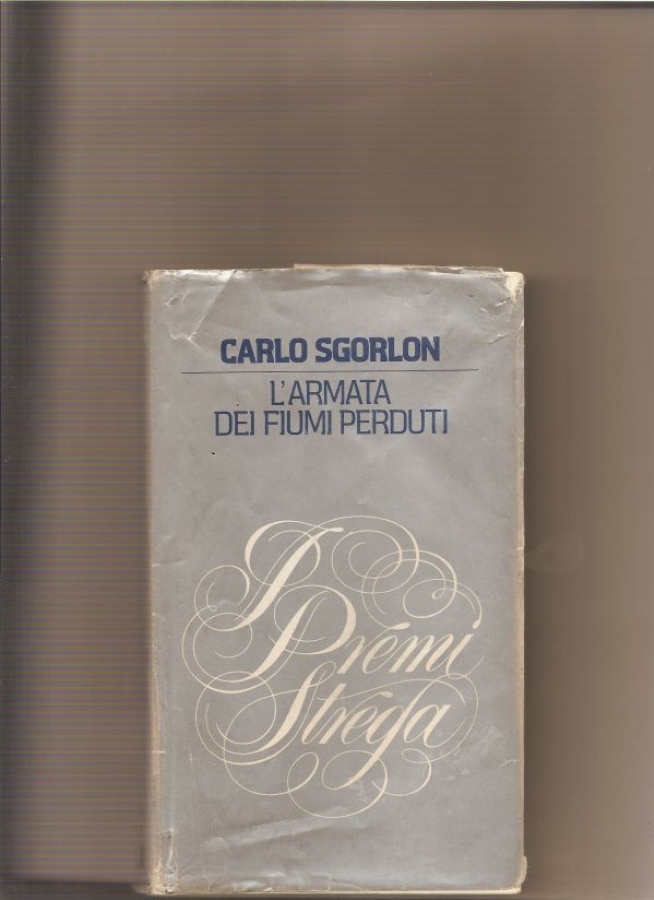
The Army of the Lost Rivers
The novel is set in Friuli in 1944 and deals with an event that actually occurred. In that year, the Germans relocated an army of Cossacks to Friuli, who had sided with Hitler under the illusion that they could defeat the Bolsheviks, their historic enemies. They were a people who had wandered across Europe with women and children in search of a land, spurred by the promise of a victorious return