
Northanger Abbey
> A heroine returning, at the close of her story, to her native village, in all the triumph of a won reputation.... is an event on which the pen of a writer might well delight to linger.... But my story is very different; I bring my heroine back home in solitude and disgrace, and no sweet exhilaration of spirits can induce me to give a detailed account . Austen writes a book that skillfully pl
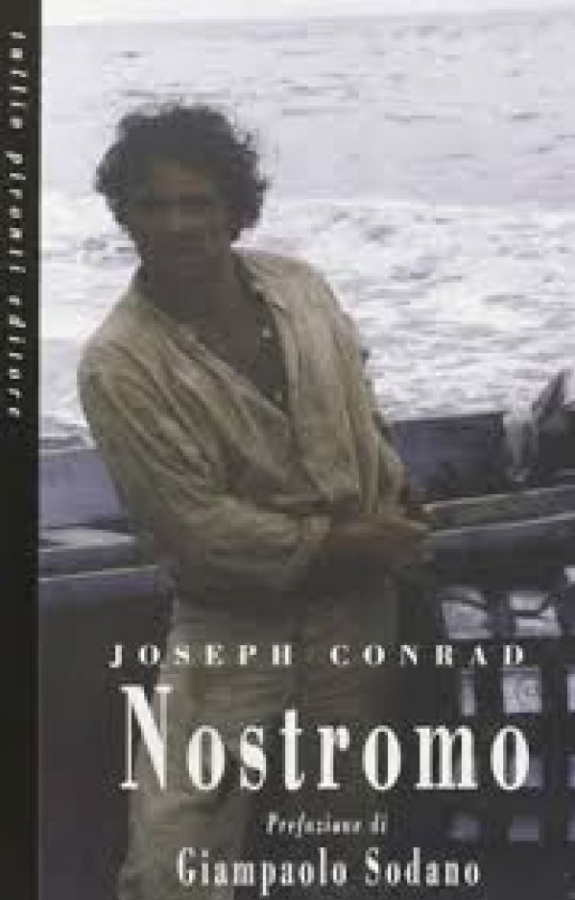
Nostromo
The novel opens with the description of the setting in which the story will unfold. Sulaco, a natural harbor on the western coast of Costarica, is an > enormous semicircular and unroofed temple, open to the ocean, with its walls of lofty mountains adorned with mourning draperies of clouds . In this natural amphitheater there is a > sanctuary inviolable by the temptations of world trade in t
Oliver Twist
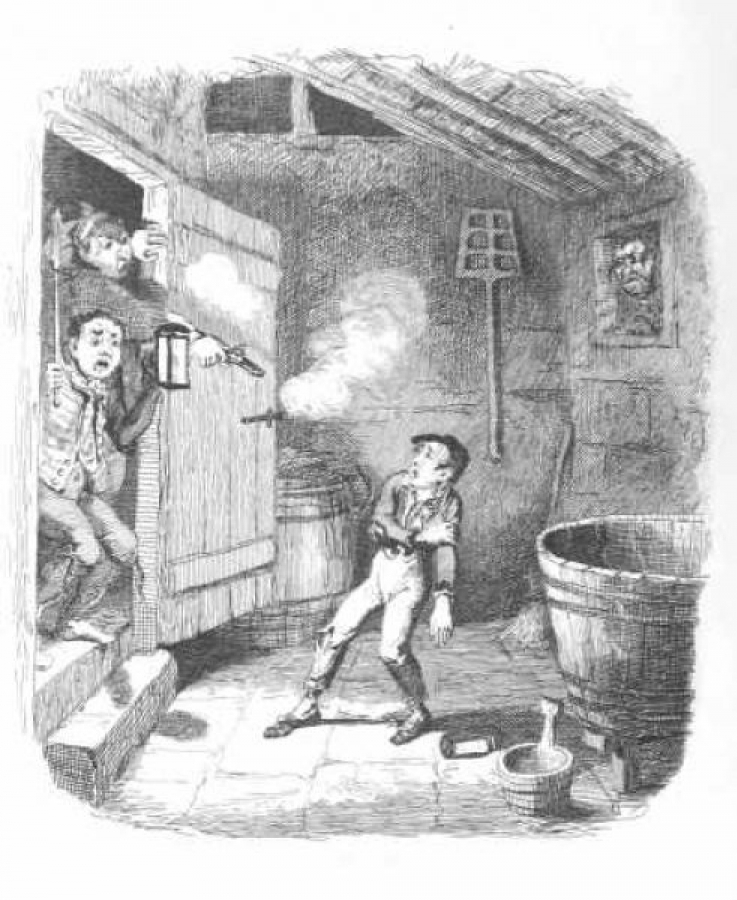
The setting is the England of the second half of the nineteenth century, marked by widespread poverty, rising criminality, and a bigoted bourgeoisie that was often hostile toward the poor. Oliver is a foundling who is first raised in a workhouse, only to be apprenticed (or handed over) to a family to learn a trade. There he suffers relentless abuse and consequently decides to flee, only to fall

One of us and Home, sweet home
These are two short stories which, as is customary for Fante, are set within the milieu of the typical Italian family. In the first story, a telegram arrives announcing the death of a cousin, a boy who had been a childhood playmate of Mike, one of the family’s many brothers. A deeply humorous scene unfolds: while the mother weeps for the grief of her sister, who has lost a son, the boys fight ov
Open City
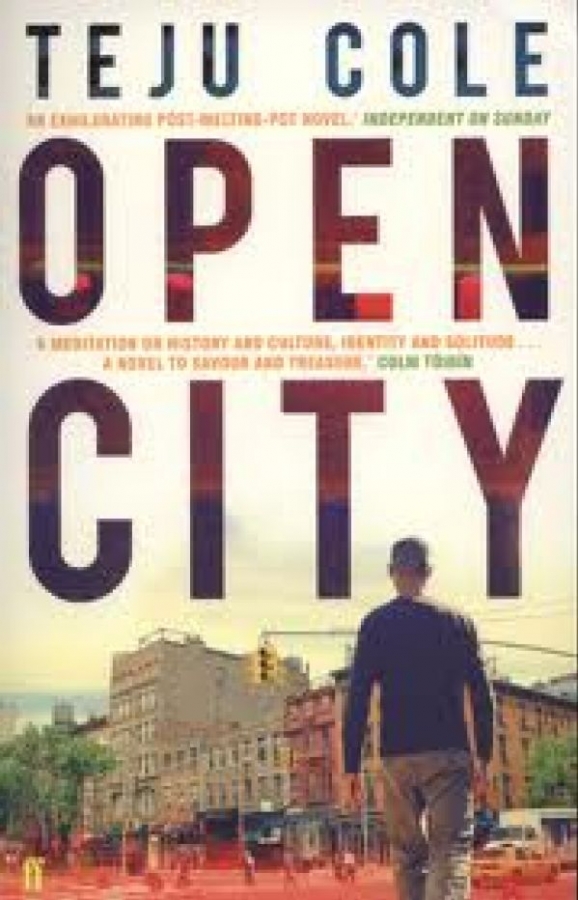
When walking the streets of a city > every decision, where to turn, how long to linger lost in thought before an abandoned building, was of no consequence, and for this reason was a sign of freedom. I traversed the city’s neighborhoods as though I had to measure them with my stride, and the subway stations served as recurring motifs of my unending wandering . The protagonist and narrator of t
Oracle Night
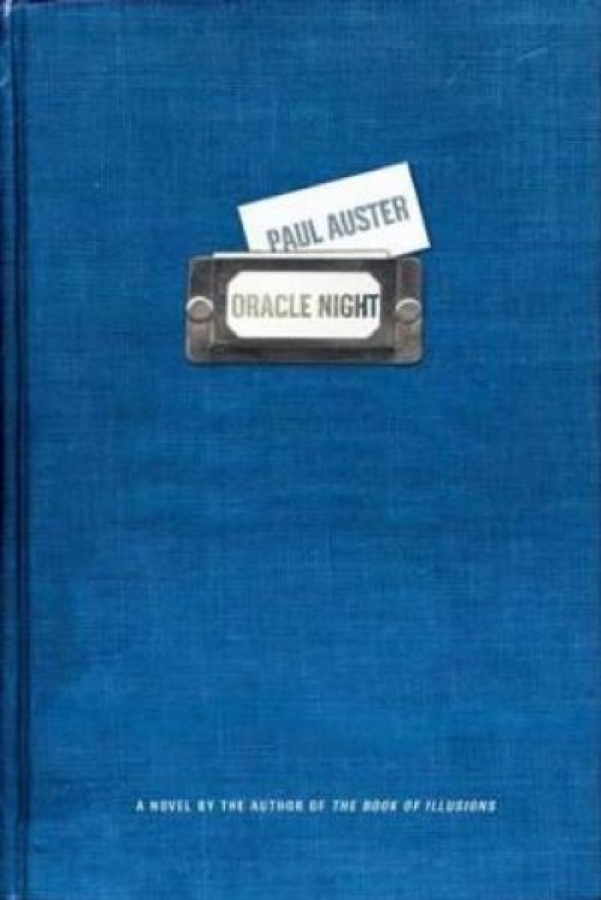
The protagonist is a writer slowly emerging from a serious illness. On his daily walks, he enters a stationery shop, run by a Chinese man, and buys a notebook. He begins writing once more, but above all, a sequence of events is set in motion—some actually lived, others imagined and the product of illusions. Is the notebook magical? Does it possess the power to reveal what the writer had not pre
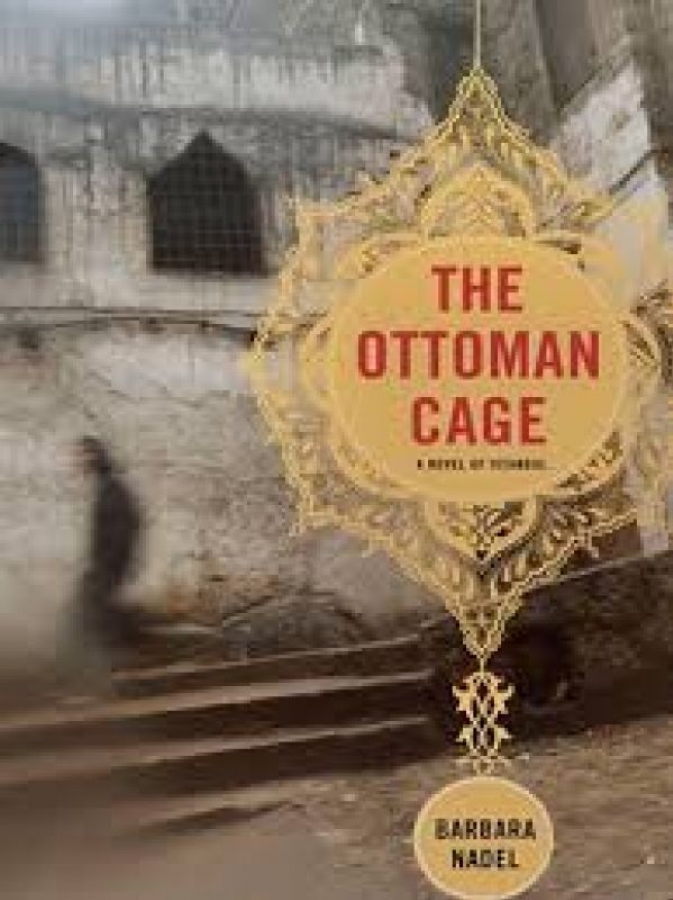
The Ottoman Cage: a novel of Istanbul
A body is found in an old, typically wooden building adjacent to the Topkapi Museum, in Istanbul. It is a young man, kept locked away for years, sedated by the constant use of drugs. He is uncircumcised, and the apartment’s tenant is described by the neighbors as a reserved Armenian gentleman. Everything points to a crime within the Armenian community, but > the inhabitants of Istanbul are no

Our Man in Havana
The novel is set in Cuba in the period immediately preceding the revolution. The protagonist, a vacuum cleaner salesman (business is bad) and a widower with a fourteen-year-old daughter, is recruited by British intelligence as an agent in Havana. Enticed by the money, the protagonist fabricates a fictitious network of spies and invents a stream of reports, which are, of course, utterly false. G
Pleading Guilty
The book’s plot is typical of Scott Turow: set in a law firm, the protagonist, a former police officer, is tasked with tracking down an attorney from the firm who has vanished, leaving behind a substantial shortfall in a major client's funds. The narrative is characterized by frequent incursions into the protagonist's life, resulting in a tedious read. Furthermore, the style is exceedingly dense
Portnoy's Complaint
How is it that a young man from a respectable Jewish family, enjoying an esteemed social standing, seeks out the most sordid and depraved sex instead of marrying young women from good bourgeois society, “with whom to raise intelligent, loving, and sturdy children”? > Dignity, Well-being, Love, Industry, Knowledge, Trust, Decency, High Principles, Compassion! Why the hell do I chase sensational s
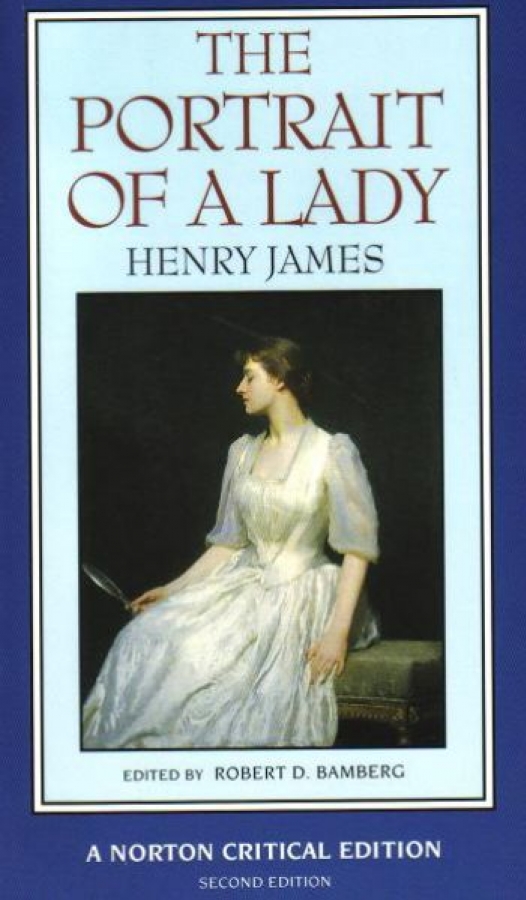
The Portrait of a Lady
The novel is set in England and Italy. Isabel is a young American woman who, having been left an orphan, moves to England to live with her aunt and the latter's husband, an exceedingly wealthy banker. She befriends her cousin, Ralph, who is, however, an invalid; she also receives two marriage proposals—one from a very wealthy lord and another from a young, promising American entrepreneur—both of
The power and the glory
The novel is set in Mexico during the period of civil wars between 1911 and 1924, when various revolutionary governments pursued a vigorous anti-Catholic policy in open opposition to the Church of Rome. The protagonist is a priest, a «whisky priest», an alcoholic, father to a daughter he abandoned, a coward to the point of letting hostages who refused to betray him be condemned to death; in short
Pride and Prejudice
In early nineteenth-century English society, what matters are the rules of polite society: courteous and amiable manners, marriageable young women of moderate education, and advantageous marriages that offer the prospect of stability and prosperity. Appearance, much like money, reigns supreme. Two characters stand as exceptions to these two golden rules: Elizabeth, the second of five sisters fro
The Quiet Game
Penn Cage, a former prosecutor and now a successful author, has recently lost his wife. To find himself again, he decides to spend some time with his parents in his hometown, a small town in Mississippi. It is like finding oneself > on the thin boundary of a universe of vibrant life and mysterious death, of hidden secrets and glittering facades, and of races inextricably bound by blood and tea

Rabbit Redux
It is the 1960s in a provincial American town. The Vietnam War and profound changes—cultural, social, and sexual—serve as the backdrop to the novel, whose central thread is aptly summarized by what the protagonist says at the end of the narrative: > confusion is just a local view of things working out in general . Can one remain oneself, as if nothing were wrong, in a “terrible period, of pro
Reading Lolita in Tehran
A very fine book, especially the first chapter, in which the writer achieves a density of prose and depth of concept reminiscent of Nadine Gordimer. The book is structured around four periods in the writer's life: each is in some way symbolized by four great authors of literature in English: Nabokov with *Lolita*, Fitzgerald with *The Great Gatsby*, James, and Austen. The narrative does not foll

The road to Los Angeles
It is the second book of the Bandini saga. While the first book still revolves around the theme of the Italian family, rendered in a realistic style lacking in evocative resonance, this novel effectively abandons ethnic and folkloric references to chronicle the coming of age of an eighteen-year-old youth who reads voraciously and lives primarily through imagination and fantasy. The Italian famil
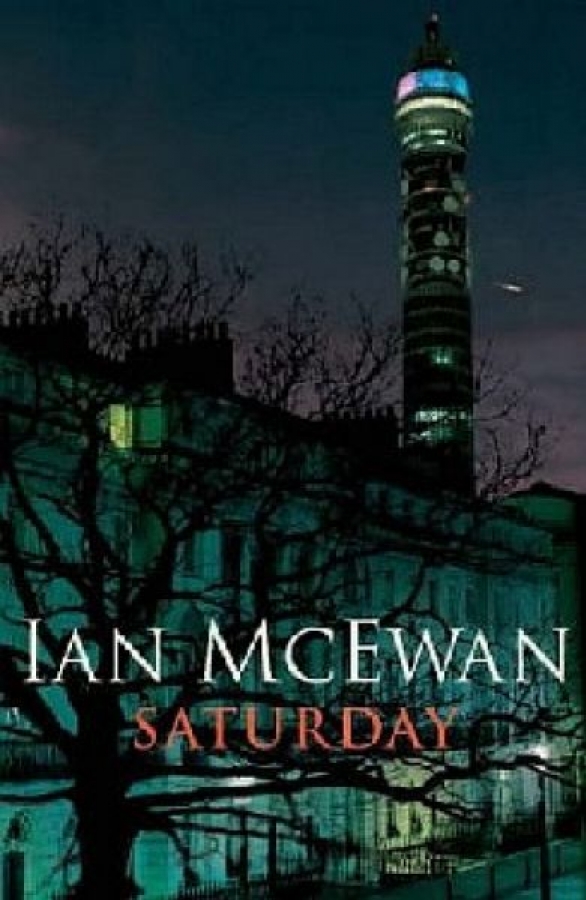
Saturday
Henry is a neurosurgeon living in London with his wife, a lawyer, and two children: his son, a musician, and his daughter, a poet temporarily living in Paris. He wakes up one Saturday morning, watches an airplane make an emergency landing from his window, and imagines it to be an act of terrorism. Thus begins Saturday, a day shaped both by broader events (television news reports on the impending
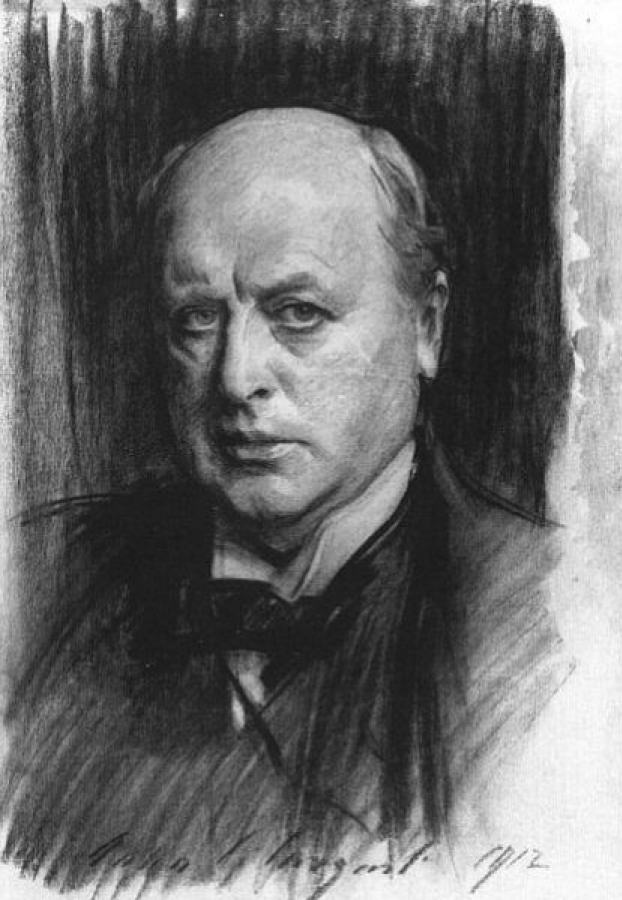
Selected Short Stories
According to the introduction, the four stories encapsulate the author’s style and evolution. The first story revolves around a love of myth and beauty. In *The Last of the Valerii*, an Italian count has married a wealthy and beautiful American heiress, yet falls in love with a statue of Juno unearthed on his estate. The narrative is related by a character who seems to stand in for the author,
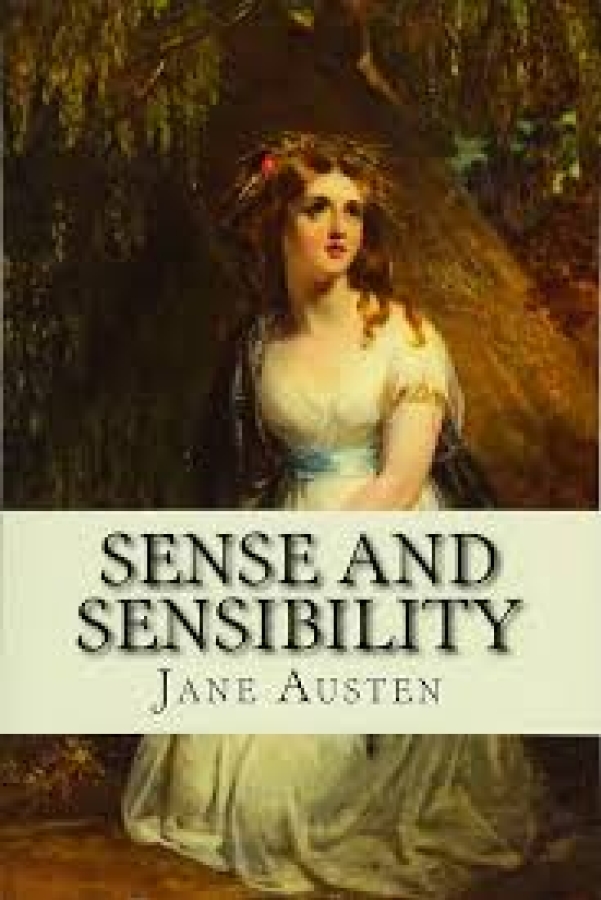
Sense and Sensibility
Jane Austen’s novels appear detached from their historical setting, the years between 1790 and 1815 marked by the onset of the Industrial Revolution and the protracted Napoleonic Wars. This “timeless” profile is corroborated by what Austen herself wrote to her niece: > three or four families in a country village is the very thing to work on (*Austen’s Letters*, page 275, quotation cited by Kat
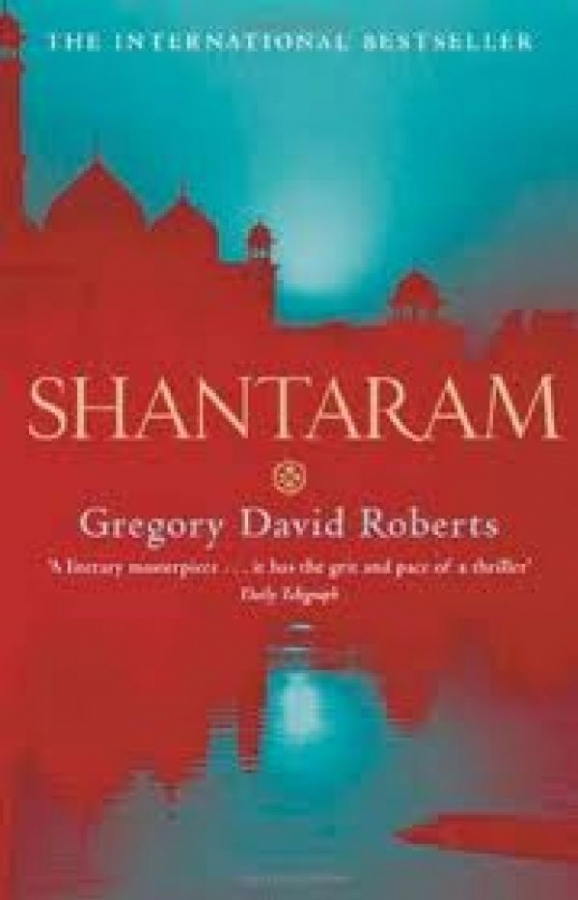
Shantaram
*Shantaram* is a book of roughly 1,200 pages and, in some reviews, has even been compared to *War and Peace*. In reality, it is a bloated potboiler, an implausible yarn that blends every Western stereotype about India with that inevitable refrain claiming economic backwardness should be celebrated as cultural authenticity. The trouble is that the novel—written, it must be said, in excellent Engl

Smoke
It is a short story. The setting is the rural society of the American South. An authoritarian father has effectively driven his two sons from the property: the younger because he had demanded the partition of the land, the elder because he can no longer tolerate his father. While the younger lives as a hermit, the elder goes to live with a cousin. The father dies, seemingly killed by a horse,

Solar
Michael Beard was awarded the Nobel Prize when he was barely in his twenties. He himself cannot fathom the reasons for such a prestigious accolade (perhaps the committee confused him with Sir Michael Bird?), but ever since, > like a castaway, he had clung to this solitary plank, seeing himself as a privileged being . The novel has little to do with science and solar energy; rather, it primaril
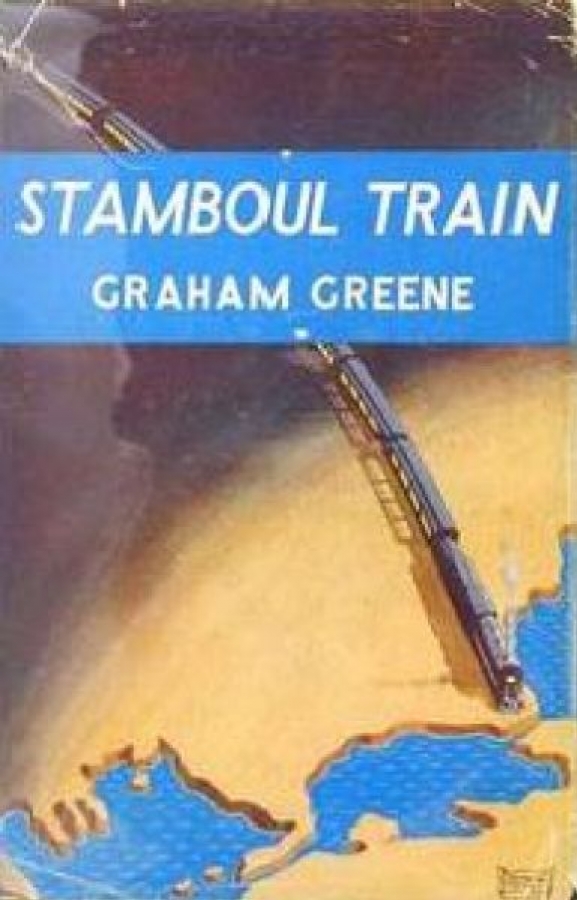
Stamboul Train
The novel recounts the journey from Ostend to Istanbul of a group of travellers: a female journalist with her lover, a young Jewish merchant on a business trip, a thief turned murderer despite himself (on the run), a famous political fugitive, and a young woman named Coral. During the journey, adventures and love stories intertwine, in particular the romance between the young merchant and Coral,