
Knot in the gut
The plot of the novel is surreal. Paul, a small-time crook, falls in love with an unusual girl, Jeanne, who introduces him to the high-stakes world of armed robbery, only to betray him with another man. Following the betrayal, Paul begins living in a hallucinatory state, constantly dreaming of a little man with a mustache. During a bank heist, he believes he sees this figure in one of the clerk

I had understood nothing
An unsuccessful, penniless lawyer takes part, almost as an onlooker and without realizing it, in a series of events—both romantic and professional—that deeply embroil him. He continues his relationship with his ex-wife; becomes the object of love for a brilliant and beautiful female lawyer; learns, without reacting, that his son falls into «bad company» and is inclined toward homosexuality; becom
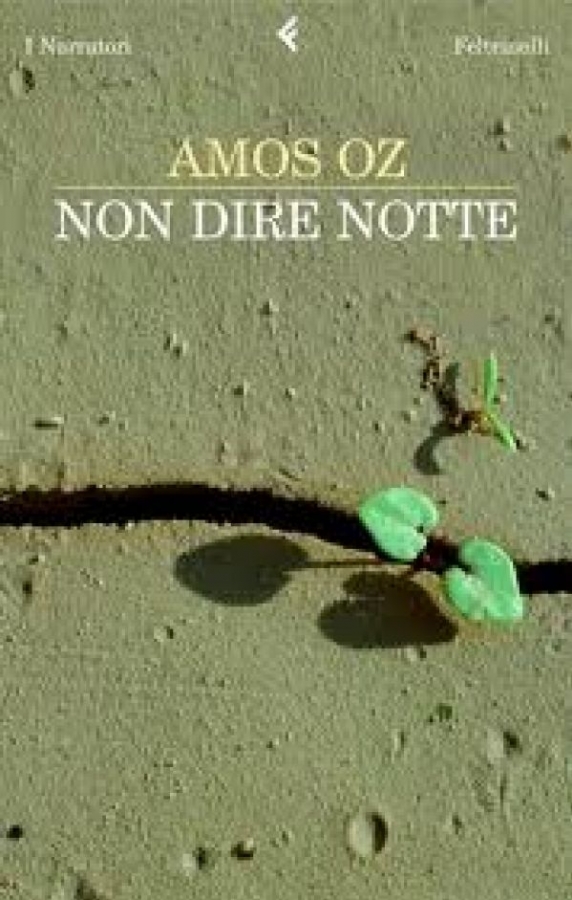
Don't Call It Night
"Over everything lies a feeble, faded, sorrowful smile." This line by Ezra Zussman "in a poem about autumn evenings" encapsulates the meaning of this book: dense, gray, and seemingly mundane. Theo and Noa share an ordinary coexistence, made of small habits, silences, and fleeting moments of love. Both have led solitary, difficult lives. Having met by chance, they took refuge, in search of a fr
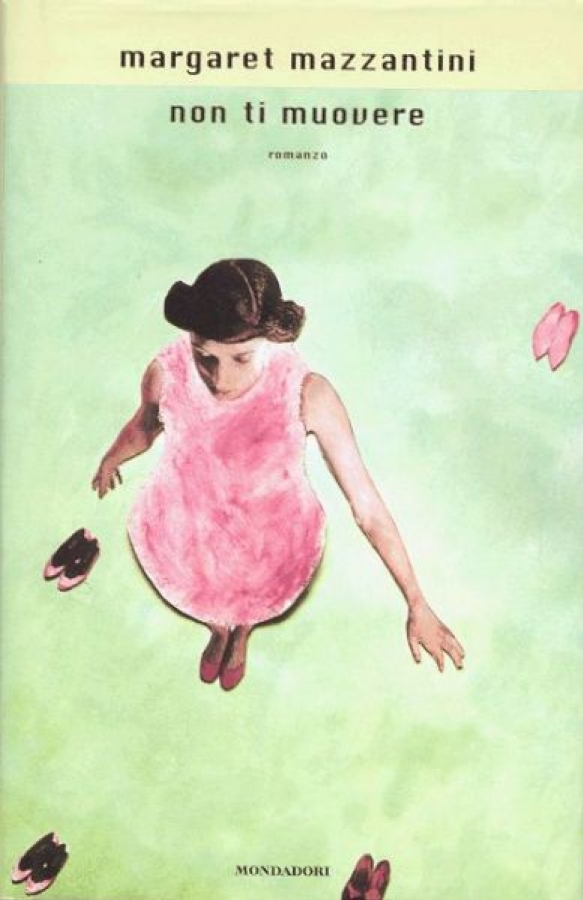
Don't Move
The book’s plot appears intriguing: prompted by his daughter’s accident, the protagonist recounts (to whom?) his extramarital affair with a woman. She is someone entirely outside his social milieu, not beautiful, yet a woman with whom he has fallen in love for reasons he himself cannot fathom. Yet the struggle to abandon his own world and the birth of his daughter ultimately lead the protagonist

Norwegian Wood
Eighteen years have passed. The writer recalls a great love—his love for Naoko. The novel is both a search for her memory and a journey of liberation from someone who dominated his life. Naoko’s figure has vanished from memory, but gradually her features resurface: > her cold little hands, that lovely straight hair so light to the touch, the soft, rounded earlobes with a small mole beneath...

The Night of the Comet
In the *Tuttolibri* supplement of *La Stampa* of January 18, 2021, Donatella Di Cesare reviews Giorgio Agamben's book *La Follia di Hölderlin*: a volume recounting the events that led the great poet to shut himself away in an asylum, from 1802 to 1846. Was it true madness or, as Schelling suspected, had his friend "assumed the outward manners of one who is mad"? Hölderlin was > torn, in an exist
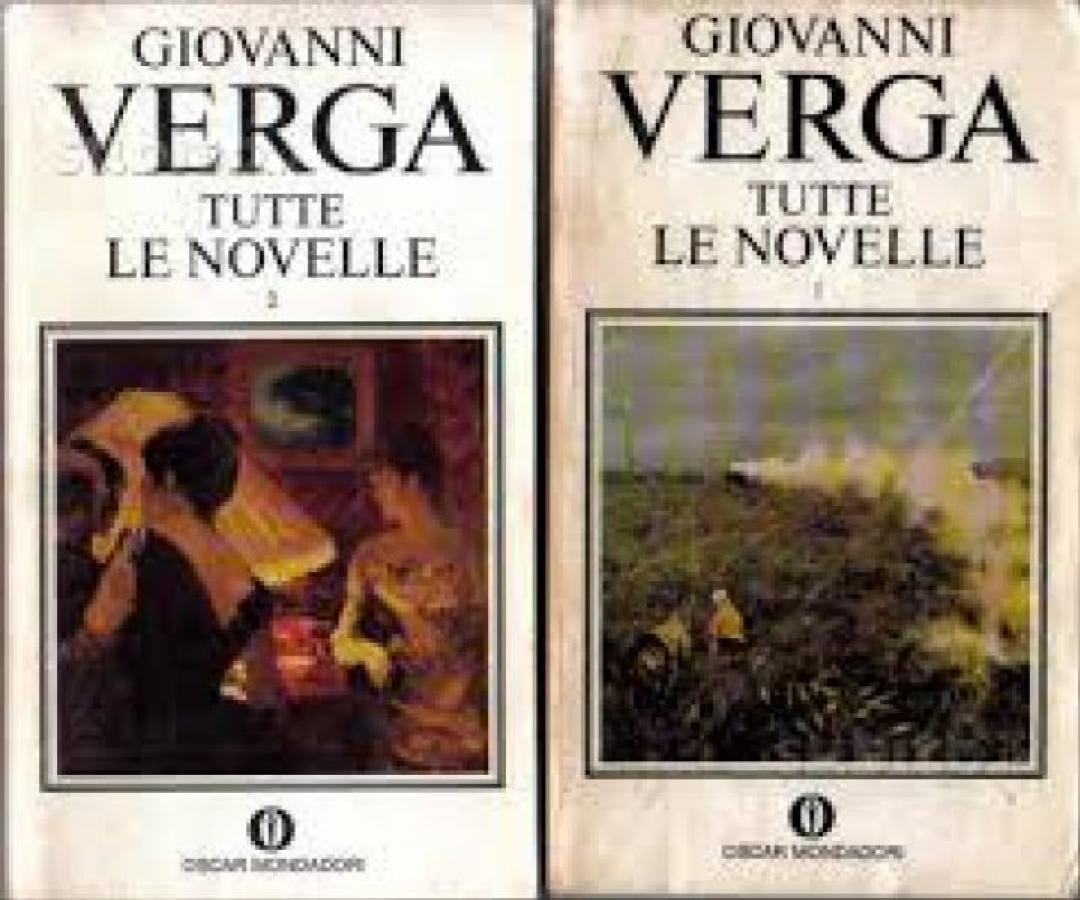
The Novellas
The book collects the short stories of Giovanni Verga, written between 1874 and 1894. The author feels the need for retreat from the intense social life of Milan, longing to “see again” his Sicily, > the immense hearth of the Pino farmstead, on the slopes of Mount Etna . From the urge to return to his roots stems the first story, which encompasses all the major themes of Verga’s fiction. Ned

The New Life
The novel’s protagonist is the book: a book, but also all books. > The culprit is not only that book, the book that deceived my son, but all books pouring from the printing presses; they are all enemies of our time, of our lives . Thus spoke Mehmet’s father menacingly—Mehmet being one of the novel’s central figures, the first to read the book and flee. The other two protagonists are Osman, a
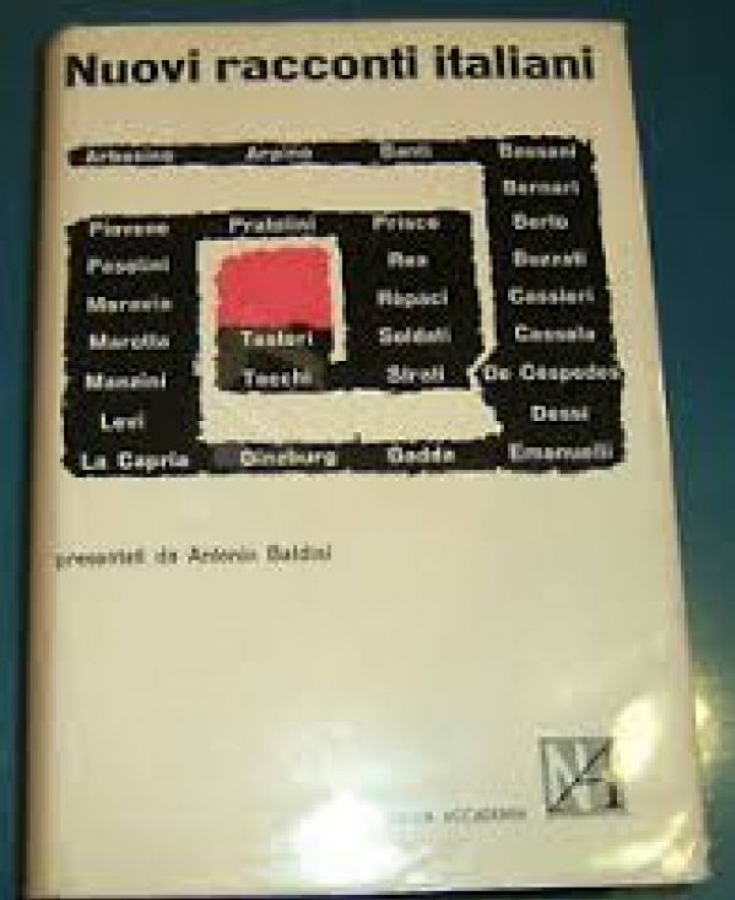
New Italian Short Stories
The book brings together 29 short stories, an anthology that includes famous writers such as Bassani, Buzzati, Gadda, Moravia, Pasolini, Pratolini, Cassola, and others; but also lesser-known authors, nonetheless representative of our country's literature. It is impossible to account for every story—many, in fact, not particularly successful—so I shall dwell only on a few. They share a common tra
Odyssey
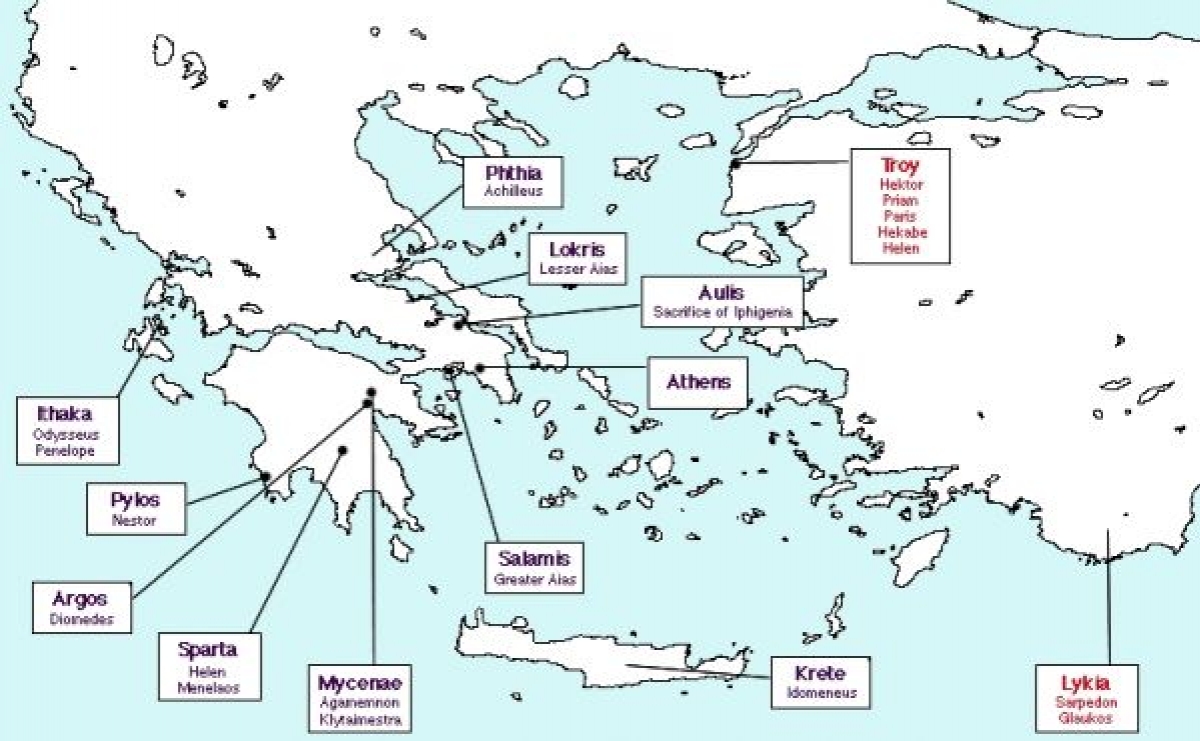
The book centers on Odysseus’s return to his home and is structured into four parts: the preamble, in which a council of the gods, on Athena’s proposal, resolves to allow Odysseus to resume his journey home by ordering Calypso to release the hero; the decision of Telemachus, Odysseus’s son, to rid himself of the suitors, who continue to frequent the palace and squander his father’s estate. After

Olives Included
We are in 1930s Italy, at the height of the Fascist era. In a small village on Lake Como, four good-for-nothings spend their time lingering in taverns and playing pranks. One day, as a favor to the village prostitute, they poison the pigeons that typically congregate in the squares and streets. One of these pigeons is given to an elderly woman, who dies from the poison. From this incident unfo

Beyond Babylon
The novel is a skein of narratives, set across different times and environments, yet traceable back to two family stories. Mar is the daughter of Miranda, an Argentine woman, and a Somali father she never knew. Zuhra is Somali, the daughter of Maryam and likewise of an unknown father. They grew up and live in Rome and are Italian, yet neither knows what her mother tongue truly is, both feeling
Beyond the River
Gee’s Bend is an arm of land, bordered on three sides by the Alabama River, where the water forms a sort of vast, arcing hairpin bend. To reach the nearest town, the "Benders" must undertake an hour-and-a-half drive or a fifteen-minute ferry ride—had the ferry not been abolished in the 1960s by the county sheriff with the following unassailable reasoning: > we didn’t close the ferry because the

The Shadow of the Hills
The novel opens with a dream. The protagonist, Stefano, who is also the first-person narrator, is taken hunting by his friend Francesco among the hills of his native Piedmont. The woods are a composite of «cascades and pyramids of assembled nightingales», a paradise of happiness; and then, suddenly, the > treetops were mounds of tiny, corroded, greenish skulls, chiming sinisterly against one a

Opinions of a Clown
Hans is a young man from a wealthy and influential family who works as a clown and has been left by his girlfriend, Maria. A devout Catholic, the young woman could no longer live with Hans, who is fiercely critical of religion and, more broadly, of bourgeois respectability, and who cannot stand the Catholic circle Maria frequents. Hans turns to drink and finds himself jobless, alone in his flat,
Greek Lessons
In the first canto of the *Paradiso*, Dante uses the word “trasumanar” to denote that transcending of human limits without which it would be impossible to contemplate God in all His power; then, as we read this cantica, we discover that the journey through the various Heavens will be a transformation of sight and hearing, so as to endure the light and sounds of the Empyrean. But what if, instead,

The Ear of Kiev
In 1919, Kyiv was contested by multiple forces: Anton Denikin’s White Army, backed by the Entente, sought to overthrow the Bolsheviks; the Cossacks under the leadership of the *otaman* Symon Petliura fought for Ukraine's independence; the Red Army struggled to halt counter-revolutionary actions and repel Polish claims over Galicia. Although the novel is set in a specific historical moment, the nar
Orlando Furioso
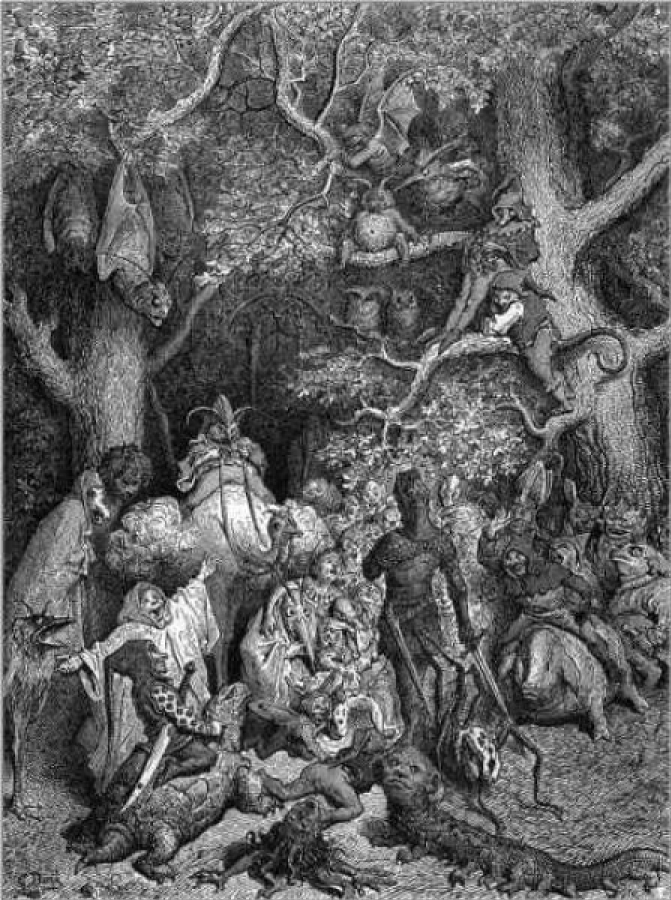
The poem narrates the events of the war between Charlemagne and the Arabs, tracing the journey of Ruggiero, progenitor of the House of Este, toward the Christian faith and his allegiance to the Carolingian king. Alongside Ruggiero, the stories of the other characters unfold, weaving innumerable tales—some grafting onto the main plot, while others appear as seemingly random digressions. From read

Land of Shadows
The novel is set in the second half of the nineteenth century in Sardinia, in Norbio, a small town surrounded by ancient woodlands. Angelo was orphaned as a child: > his entire life is a slow transition from the peasant condition to the bourgeois condition, or, as they used to say in Norbio, to the gentlemanly condition . This trajectory, which constitutes the central thread of the book, is n
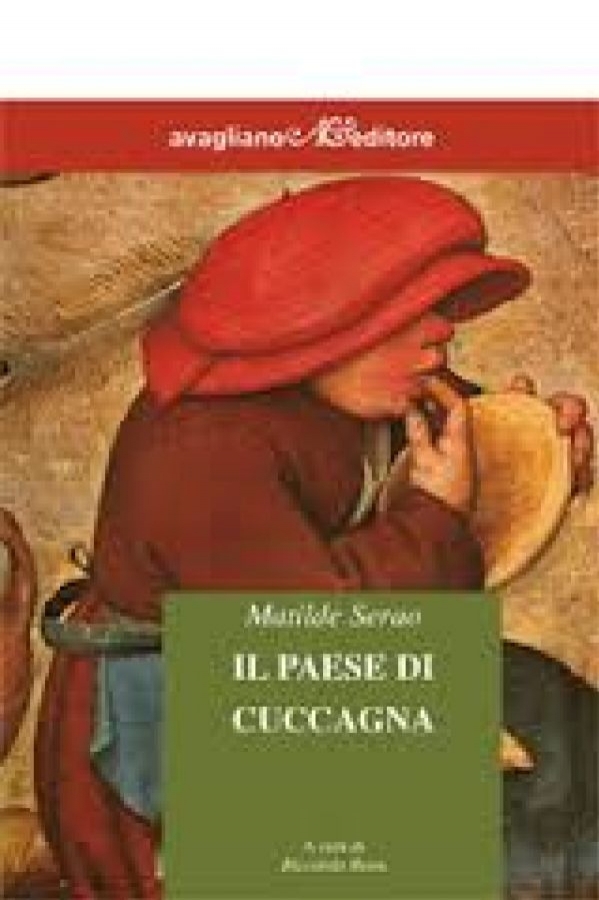
The Land of Cockaigne
A composite crowd, without distinction of sex, wealth, or social standing, gathers awaiting the lottery draw. That morning they feel > the need to eat, to drink, to smoke, feeding vividly on visions of Cockaigne in their imagination, dreaming (...) of a whole bellyful of rich, fatty feasts, devoured in imagination . While the Neapolitan populace, anxious, overexcited, deluded, follows the dra

The Yacoubian Building
The Yacoubian Building is an emblematic space of contemporary Egypt, dominated by a corrupt, undemocratic regime where abuse of power, cunning, and deceit seem to be the defining traits. A young woman is forced to endure the advances of her employers, only to fall in love with an aging, depraved landowner on the verge of being driven out of his home by his sister. The girl’s former fiancé is rej
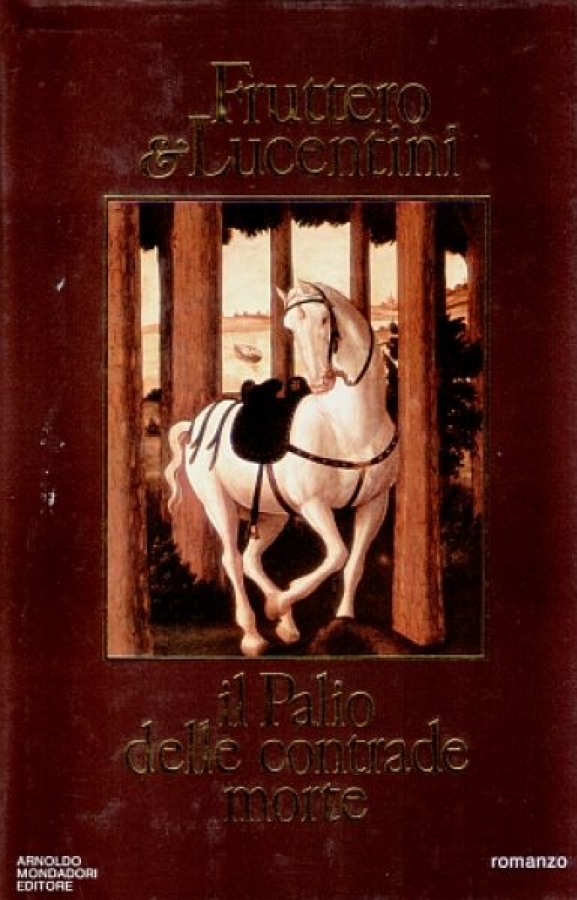
The Palio of the Dead Contrade
It is likely not one of the two authors’ best books. Beyond its brisk and lively style, the plot is utterly inconclusive: a husband and wife, their marriage frayed and dull, find themselves by chance in a patrician residence near Siena, where they witness a crime (the murder of a well-known Palio jockey), embark on affairs with the master of the house and his daughter, respectively, and take part
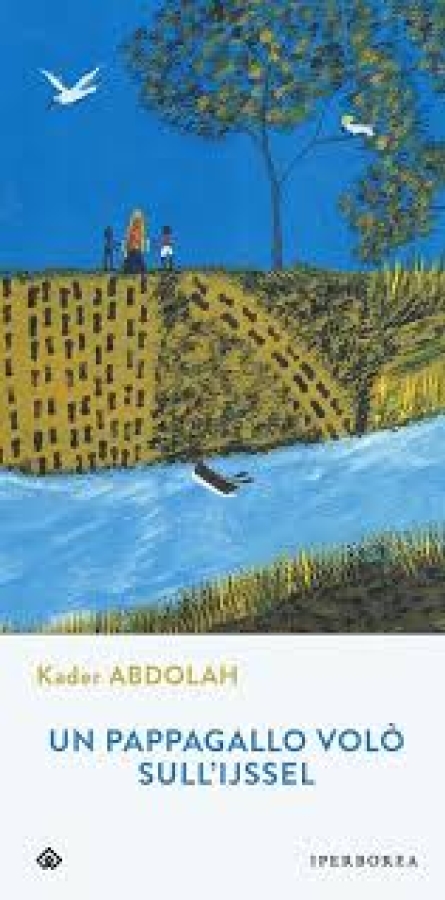
A parrot flew over the IJssel
In the first tale of *One Thousand and One Nights*, under the expressive title of *The Weaver of the Nights* (see review on this site), Scheherazade deceives the cruel sultan, bewitching him with wondrous and intriguing stories. It is the miracle of the word! Likewise, in this novel, Pari, an immigrant woman infatuated with the Dutch language, will save herself through writing. A Flemish healer en
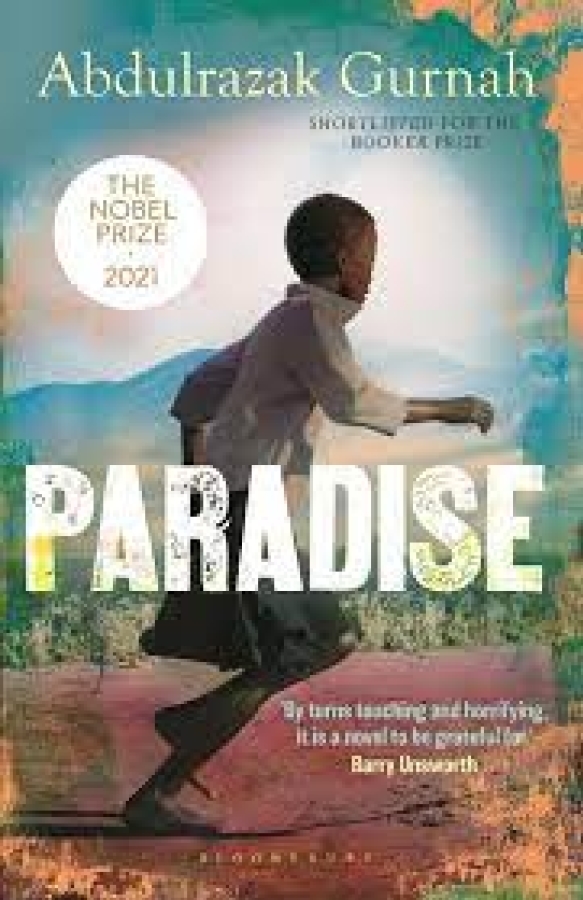
Paradise
The novel possesses two primary narrative threads. The first is a grand historical fresco of the Sultanate of Zanzibar shortly before the partition of East Africa at the 1885 Berlin Conference. As an Indian friend explains to the sixteen-year-old Yusuf, the Europeans > are not interested in trade, but in the land itself. And everything on it... us. (...) We will lose everything, including our wa