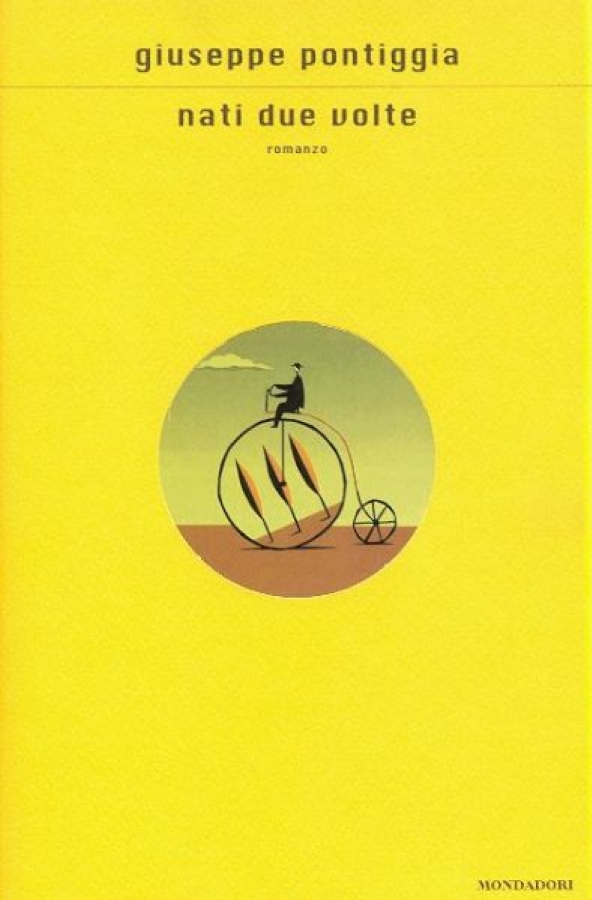
Born Twice
The book, autobiographical in nature, recounts the relationship between the writer and his disabled son. The chief merit of the narrative, structured into self-contained chapters and thus devoid of an overarching plot, lies in its spare style, which eschews easy sentimentality and false solidarity. The disabled boy functions almost as a mirror to the author, the embodiment of a personal histor
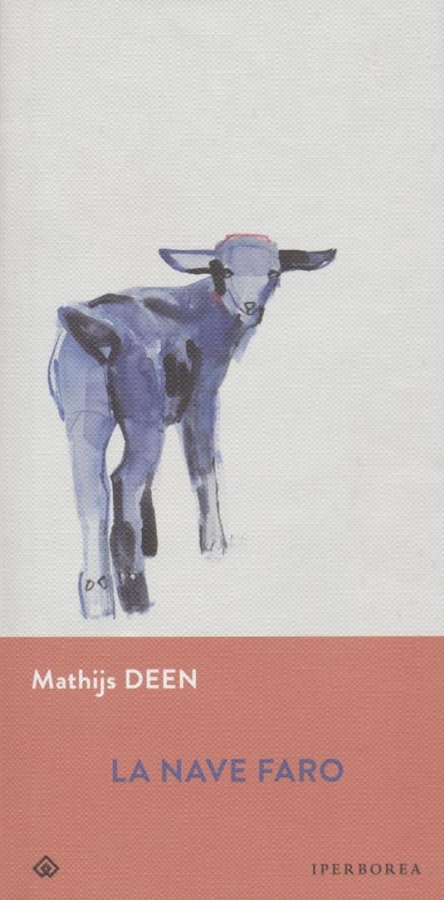
The Lightship
> A lightship has no propeller, no engine; on the bridge there is no helm: it can do nothing but sway, somewhat forlorn, an animal tugging in vain at a chain On this ship that will never sail and will never see distant lands, the crew members vanish > into the dark labyrinth where all the days of their working lives were digested into an almost inextricable mass of memories . Into this sort o
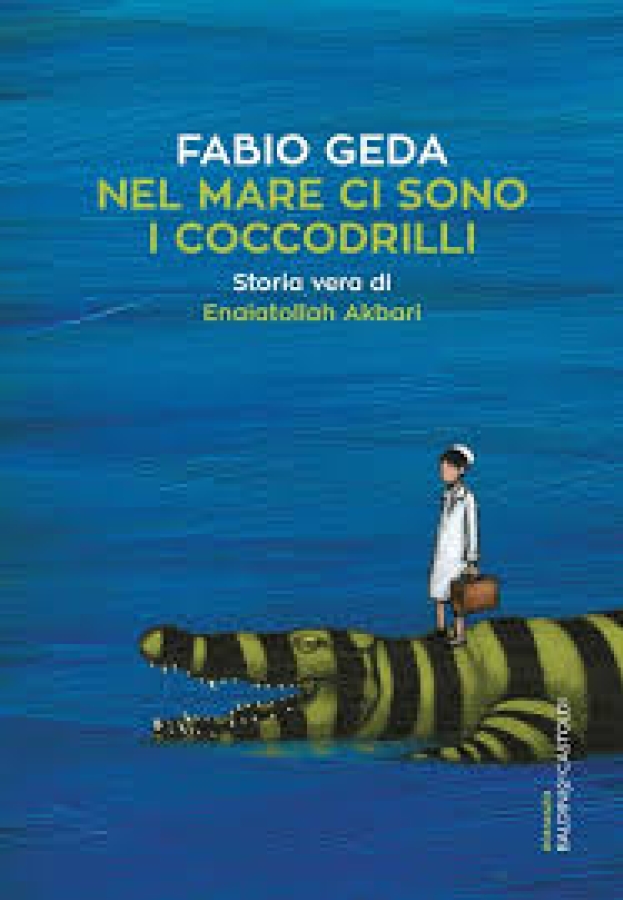
In the Sea There Are Crocodiles
The novel bears the subtitle *The True Story of Enaiatollah Akbari*. It is, in fact, Akbari who recounts his journey from Afghanistan to Italy to Geda. Whether this is a literary device or an actual interview matters little; the journalistic reportage format lends the requisite credibility to the boy's tribulations, to his dream of freedom and peace. Akbari lives in northern Afghanistan, near the
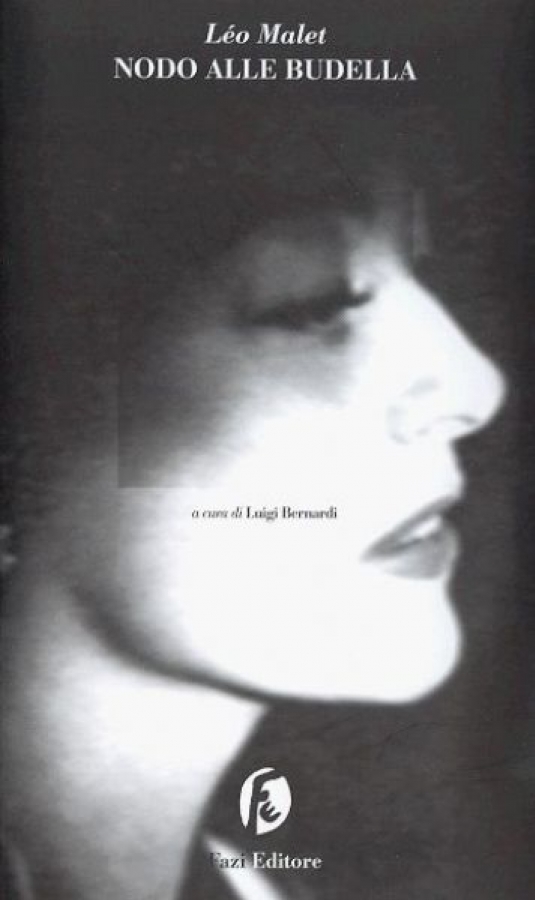
Knot in the gut
The plot of the novel is surreal. Paul, a small-time crook, falls in love with an unusual girl, Jeanne, who introduces him to the high-stakes world of armed robbery, only to betray him with another man. Following the betrayal, Paul begins living in a hallucinatory state, constantly dreaming of a little man with a mustache. During a bank heist, he believes he sees this figure in one of the clerk

I had understood nothing
An unsuccessful, penniless lawyer takes part, almost as an onlooker and without realizing it, in a series of events—both romantic and professional—that deeply embroil him. He continues his relationship with his ex-wife; becomes the object of love for a brilliant and beautiful female lawyer; learns, without reacting, that his son falls into «bad company» and is inclined toward homosexuality; becom
Don't Move
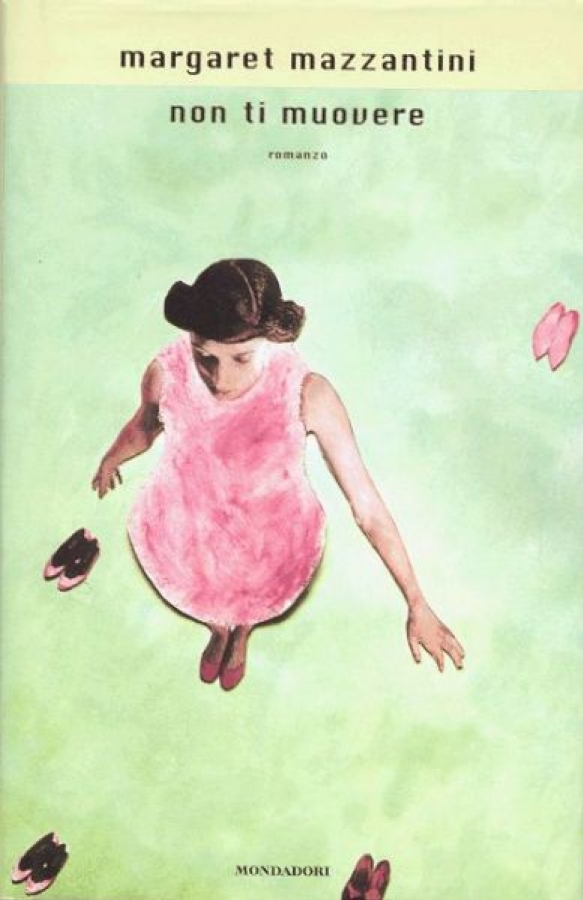
The book’s plot appears intriguing: prompted by his daughter’s accident, the protagonist recounts (to whom?) his extramarital affair with a woman. She is someone entirely outside his social milieu, not beautiful, yet a woman with whom he has fallen in love for reasons he himself cannot fathom. Yet the struggle to abandon his own world and the birth of his daughter ultimately lead the protagonist

Olives Included
We are in 1930s Italy, at the height of the Fascist era. In a small village on Lake Como, four good-for-nothings spend their time lingering in taverns and playing pranks. One day, as a favor to the village prostitute, they poison the pigeons that typically congregate in the squares and streets. One of these pigeons is given to an elderly woman, who dies from the poison. From this incident unfo
Oliver Twist
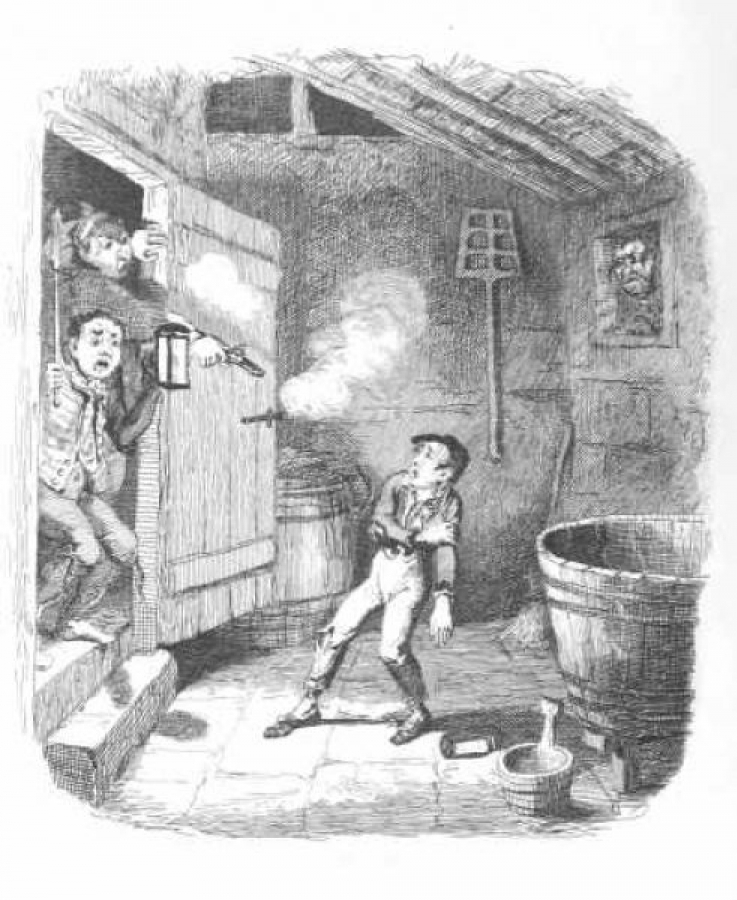
The setting is the England of the second half of the nineteenth century, marked by widespread poverty, rising criminality, and a bigoted bourgeoisie that was often hostile toward the poor. Oliver is a foundling who is first raised in a workhouse, only to be apprenticed (or handed over) to a family to learn a trade. There he suffers relentless abuse and consequently decides to flee, only to fall
Beyond the River
Gee’s Bend is an arm of land, bordered on three sides by the Alabama River, where the water forms a sort of vast, arcing hairpin bend. To reach the nearest town, the "Benders" must undertake an hour-and-a-half drive or a fifteen-minute ferry ride—had the ferry not been abolished in the 1960s by the county sheriff with the following unassailable reasoning: > we didn’t close the ferry because the
Oracle Night
The protagonist is a writer slowly emerging from a serious illness. On his daily walks, he enters a stationery shop, run by a Chinese man, and buys a notebook. He begins writing once more, but above all, a sequence of events is set in motion—some actually lived, others imagined and the product of illusions. Is the notebook magical? Does it possess the power to reveal what the writer had not pre
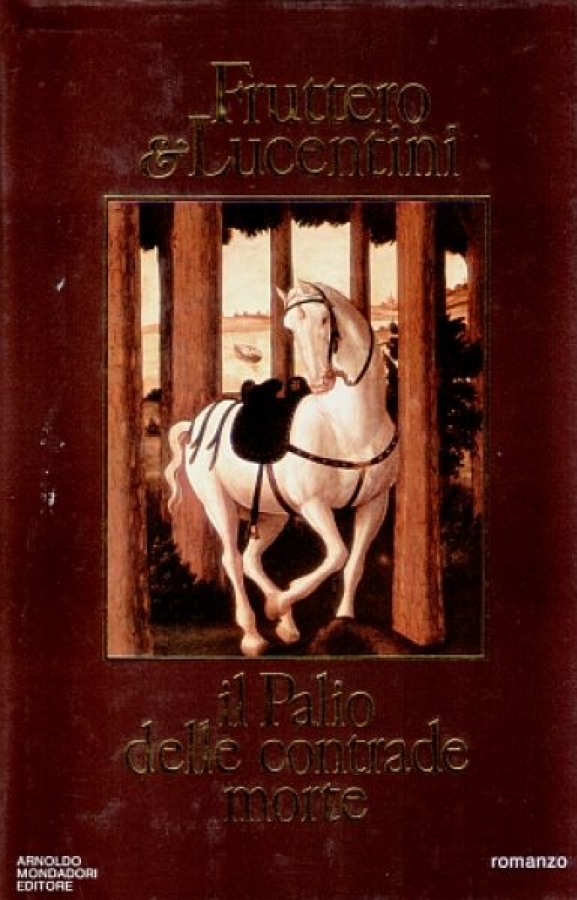
The Palio of the Dead Contrade
It is likely not one of the two authors’ best books. Beyond its brisk and lively style, the plot is utterly inconclusive: a husband and wife, their marriage frayed and dull, find themselves by chance in a patrician residence near Siena, where they witness a crime (the murder of a well-known Palio jockey), embark on affairs with the master of the house and his daughter, respectively, and take part
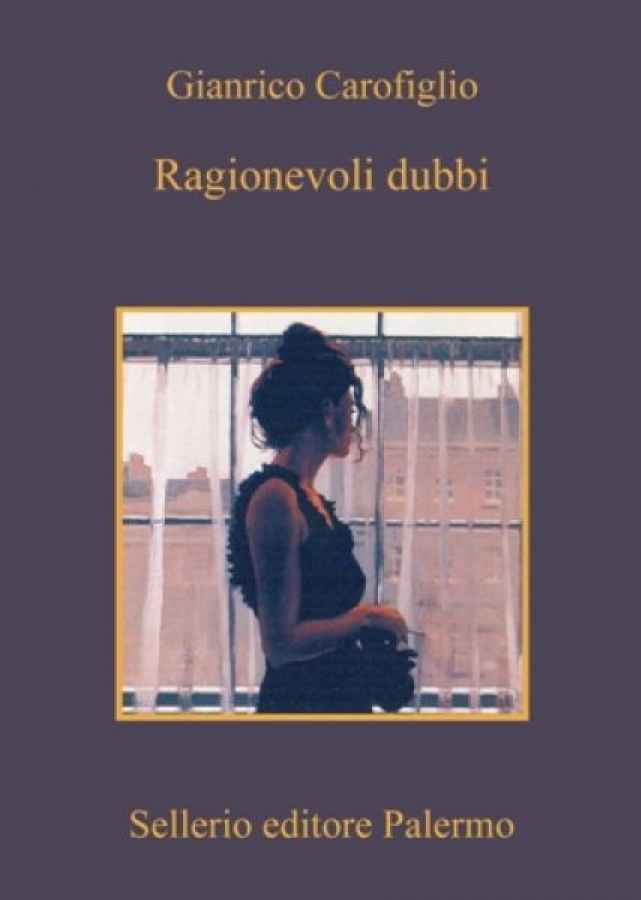
The past is a foreign country
Perhaps it is not the author’s best book. A brilliant young student is dragged by a friend into a descent into hell: first gambling, then drugs, until he even risks becoming implicated in a rape. Faced with extreme violence, he reacts by saving the girl, and in some measure saves himself as well. The narrative premise could well be interesting, but it drags sluggishly along, offering neither pl
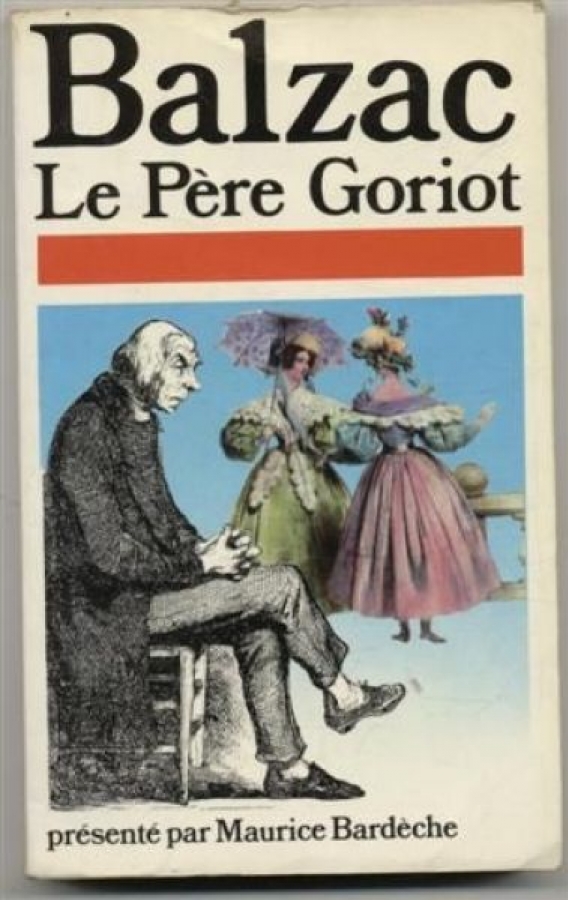
Father Goriot
Balzac lived in the first half of the nineteenth century and thus depicts the society of Louis-Philippe. The novel recounts the story of a man who, out of love for his daughters, leads a wretched and despised life. His paternal devotion stands in stark contrast to a society dominated by money, appearances, and climbing the social ladder at all costs. The approach is moralistic, the style tediou

The Electric Fish
The book recounts the journey of three journalists to Turkey to meet a friend of theirs, imprisoned in an asylum by the authorities for being a friend of the Kurds, who is about to be released. It is unclear whether it is an introspective tale (a search for oneself), a portrait of Turkey, or a detective story. In truth, it is a dull book, poor in its descriptions and mediocre in its dialogue. I
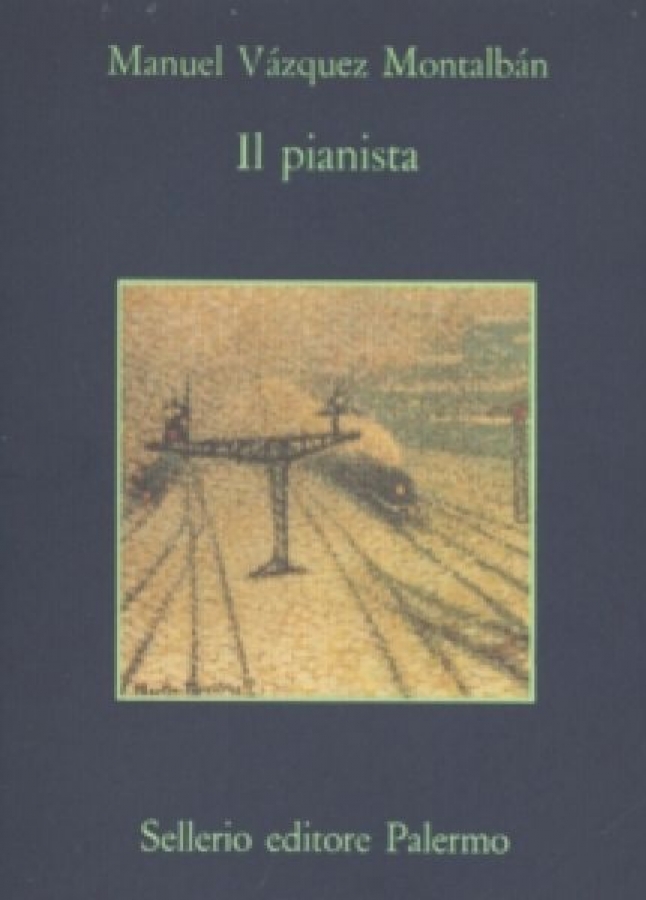
The Pianist
The book belongs to a period prior to the "detective-style" novels and deals with the years immediately following Franco’s death, marked by the initial disillusionment with the democratic system and the left’s inability to bring about genuine change. It is a tedious novel in both content and style, far removed from the detective fiction of the subsequent period, even in its setting and depiction
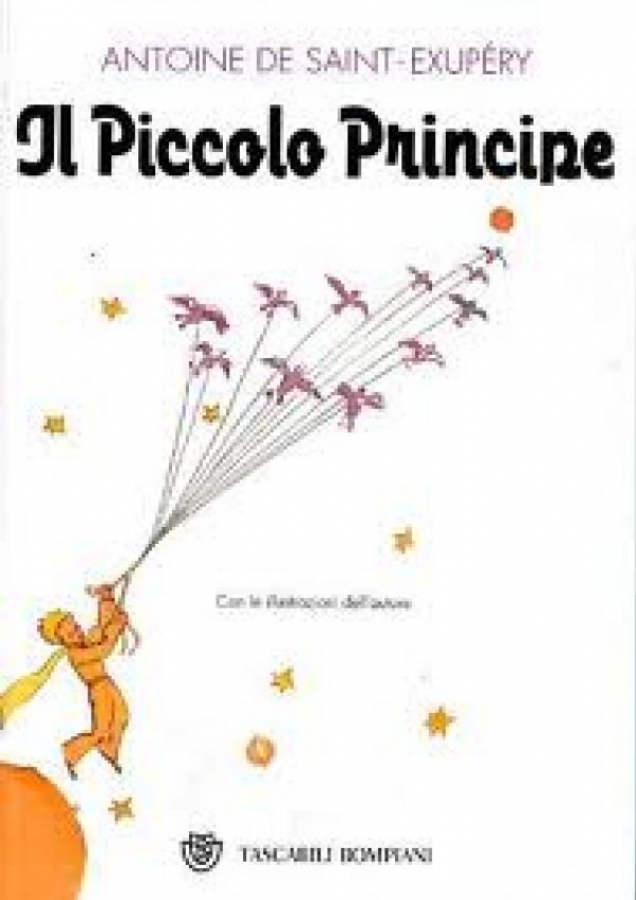
The Little Prince
*The Little Prince* is, perhaps, one of the most famous and widely read books in the world. The narrative opens with an episode from the narrator’s childhood, an aviator like Saint-Exupéry himself. At the age of six, he had drawn a "boa constrictor digesting an elephant," which to those who lack imagination—such as grown-ups—merely looked like a hat. Indeed, they > advised me to lay aside my
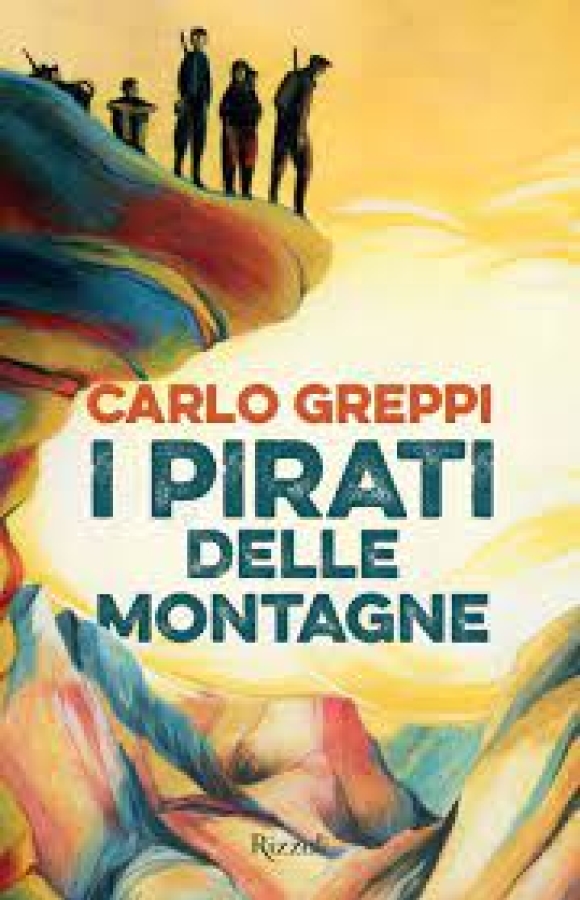
The Pirates of the Mountains
According to Daniel Pennac, the reader's second right is the right not to finish a book. “Does the book drop from your hands? Let it fall.” And he goes on to say that there are thousands of reasons to abandon a book, the principal one being: we never have time, and it is better to spend what little time we have reading what we like. In the past, I used to try to finish a novel or an essay even whe
Pleading Guilty
The book’s plot is typical of Scott Turow: set in a law firm, the protagonist, a former police officer, is tasked with tracking down an attorney from the firm who has vanished, leaving behind a substantial shortfall in a major client's funds. The narrative is characterized by frequent incursions into the protagonist's life, resulting in a tedious read. Furthermore, the style is exceedingly dense
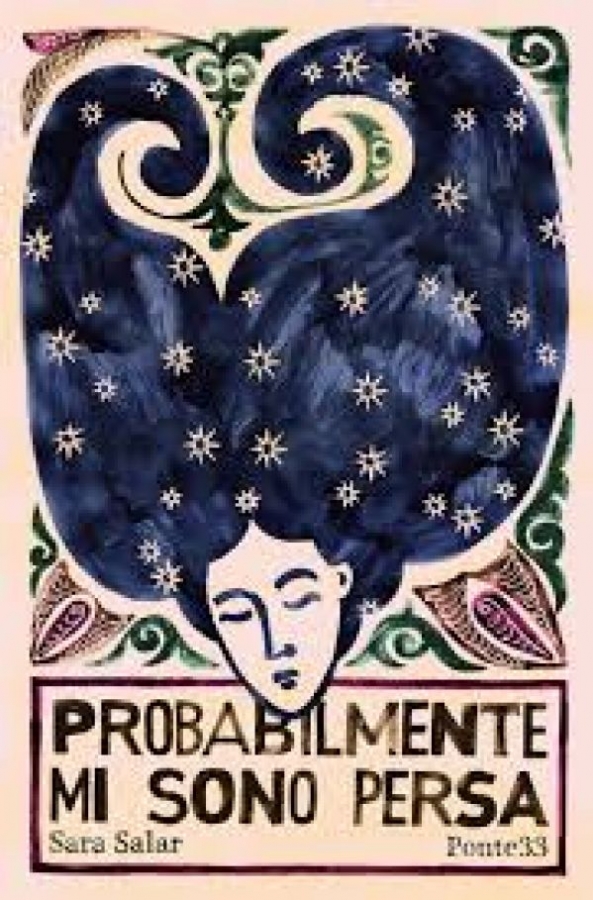
I have probably lost my way
The protagonist is a young woman: she lives in Tehran with a young child, is separated, is seeing a therapist, and has a friend: Gandom. The story unfolds over the span of a few hours. Waking up disoriented to the ringing of her ex-husband's call, she finds herself covered in bruises, with a black eye (was she beaten?); she barely remembers sending her child to kindergarten by taxi; immediately,
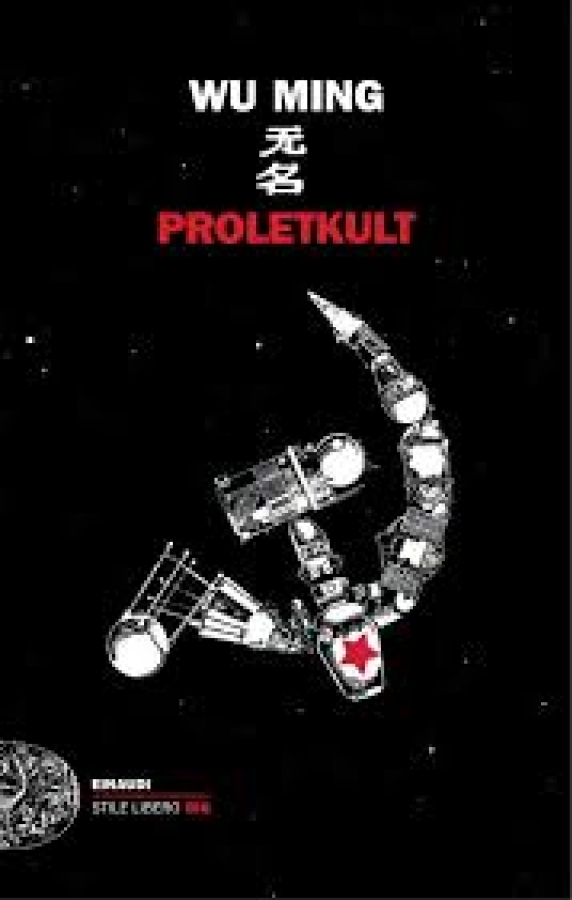
Proletkult
In 1906, Aleksandr Bogdanov, the pseudonym of Bolshevik revolutionary Aleksandr Malinovsky, wrote *Red Star*, a science-fiction novel in which real socialism had been fully realized on the planet Mars. With exceptional prophetic insight, he imagines that the new society modeled on Marxist utopia had not proved immune to imperialism, seeking to colonize Earth after exterminating its population. Leo
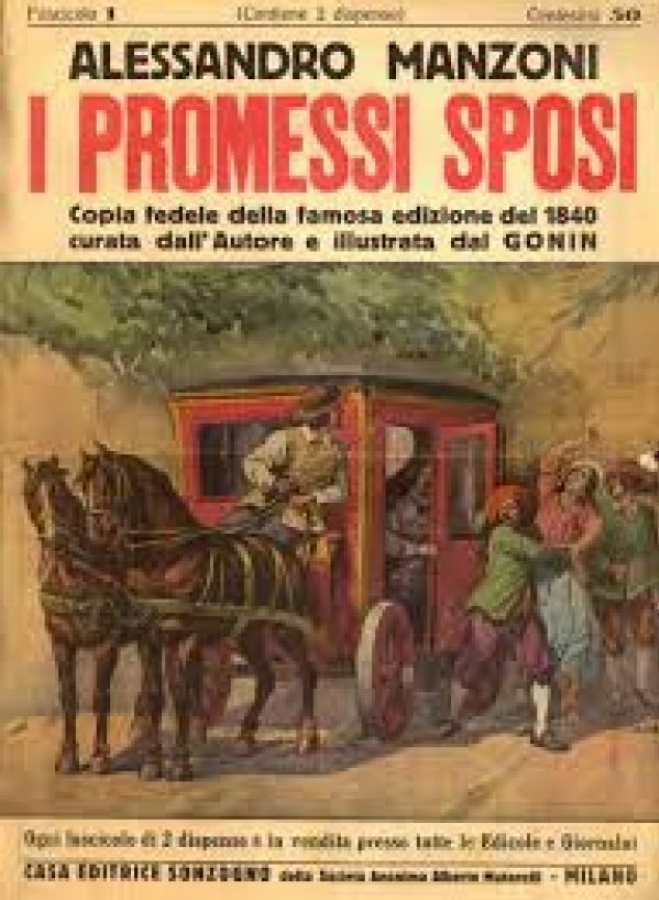
The Betrothed
*I Promessi Sposi* is set in the seventeenth century, in the Duchy of Milan, then a Spanish possession; it is not a historical novel, even if many events actually took place; rather, it speaks to the present, bearing a distinctly conservative message: we must entrust ourselves to Divine Providence, for we are part of a grand design, incomprehensible to us. Thus Cardinal Federigo Borromeo explains
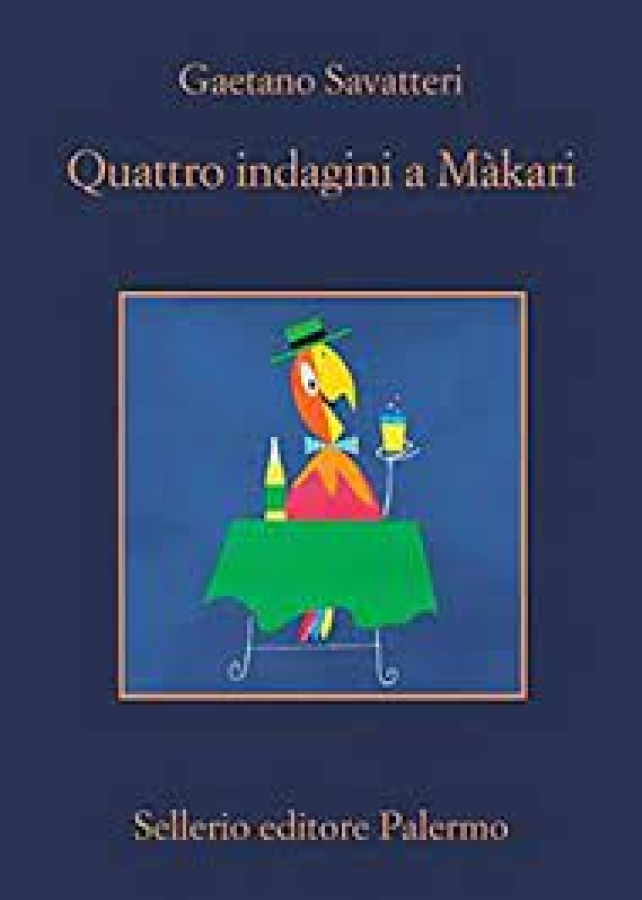
Four Investigations in Màkari
Saverio Lamanna was the spokesperson for a prominent politician and was brutally dismissed after drafting a press release stating that his boss supported the liberalization of cannabis. Was it an error, or did Saverio simply wish to walk away from a job he no longer enjoyed? We do not know; at any rate, he was forced to leave Rome and return to Sicily, moving into his parents' house in the small,
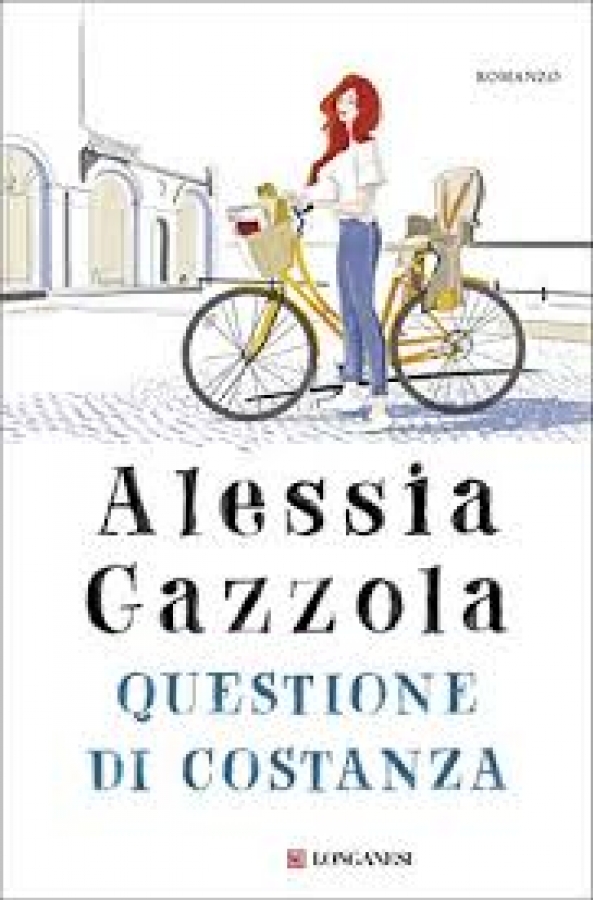
A Matter of Constancy
Costanza is a single mother from Messina with a degree in medicine and a specialization in anatomical pathology. Unemployed, she wins a competition for a one-year research fellowship at the University of Verona in paleopathology. > Utterly ignorant of everything concerning the Holy Roman Empire, the *Signorie*, and pre-Columbian mummies, (...) the truth is that I am interested in this grant neit

Rabbit Redux
It is the 1960s in a provincial American town. The Vietnam War and profound changes—cultural, social, and sexual—serve as the backdrop to the novel, whose central thread is aptly summarized by what the protagonist says at the end of the narrative: > confusion is just a local view of things working out in general . Can one remain oneself, as if nothing were wrong, in a “terrible period, of pro