Finished reading on: December 24, 2008
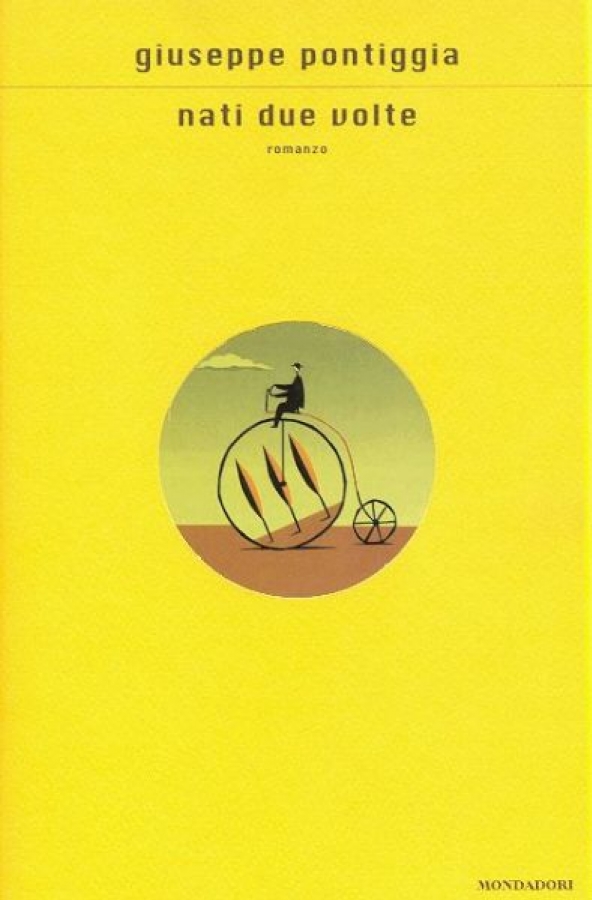
Born Twice
Title of the original version reviewed: «Nati due volte»
AI Translation Notice: This review was translated from the original Italian using artificial intelligence. Book quotes and excerpts are translated interpretations and will not match the author's original English phrasing or official published translations.
The book, autobiographical in nature, recounts the relationship between the writer and his disabled son.
The chief merit of the narrative, structured into self-contained chapters and thus devoid of an overarching plot, lies in its spare style, which eschews easy sentimentality and false solidarity.
The disabled boy functions almost as a mirror to the author, the embodiment of a personal history fraught with friction—evident, for instance, in his relations with his wife and with the school, the writer’s own workplace.
In reality, it is a tedious book, at times reduced to aphorisms and assertions that are ends in themselves, detached from any narrative framework.
Even the portrait of the son falls flat, devoid of nuance and consequently bent on projecting a positive view, despite the grave misfortune.