Finished reading on: July 09, 2007
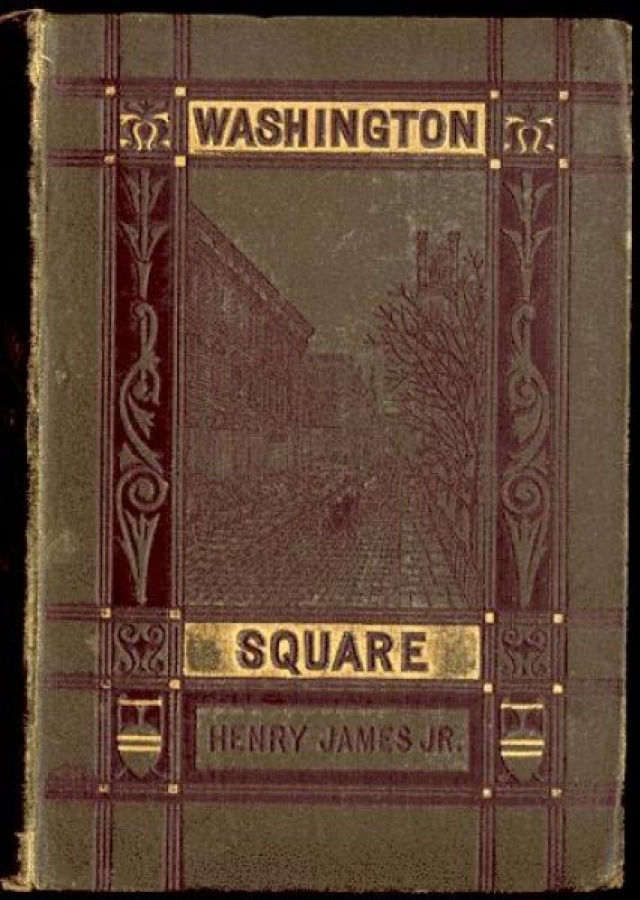
Washington Square
AI Translation Notice: This review was translated from the original Italian using artificial intelligence. Book quotes and excerpts are translated interpretations and will not match the author's original English phrasing or official published translations.
The book is set in late nineteenth-century New York.
Catherine, the daughter of a prominent physician in the city, is courted by a young man who is interested in her dowry.
Catherine’s father refuses and declares that he will not grant the girl her inheritance.
A romantic drama unfolds, in which Catherine’s aunt assumes an important role: a woman who, driven by a romanticized conception of love and the futile pursuit of extraordinary occurrences, wishes the girl would abandon her father and marry the young man regardless.
Following a journey to Europe with her father, Catherine realizes that he holds no esteem for her whatsoever, and decides to marry the young man even against her parent’s will.
Yet the young man, who had hoped the father would change his mind, abandons the girl, knowing he cannot gain access to the doctor’s fortune.
Years pass, Catherine does not marry, and after her father’s death the young man reappears—now an aging man—hoping to resume their former relationship.
But Catherine turns him away.
The underlying theme of the book is the story of a young woman who is the object of the aspirations and notions of others.
The father believes his daughter to be foolish, devoid of qualities, and maintains toward her until the very end a contemptuous attitude, aimed more at asserting his own intellect and foresight (he had grasped from the outset that the young man was after the dowry) than at considering his daughter’s feelings.
The aunt is in search of emotional thrills to fill her life and does not consider that her actions (her friendship with the young man, her attempt to manipulate the girl, etc.
) might cause harm to the point of ruining Catherine’s life.
The young man is patently a scoundrel, a vacuous figure who seeks until the very end to use the girl to secure a position for himself, unconcerned about returning after so many years to wound her anew.
Throughout this story, Catherine’s personality gradually emerges; she finds the strength to take a solitary stand, determined not to compromise with anyone, even at the cost of her own happiness.
She has been and continues to be manipulated; her father holds an opinion of her shaped by stereotypes, yet she lives her own life, now indifferent and in opposition to those around her.
To the young man, now a mature man, who asks if she is angry, Catherine replies:
no, I am not angry; anger does not last that way for years.
But there are other things.
Impressions that endure, when they have been strong.
But I cannot speak...
Catherine picked up her knitting needles, sat down with them again, for life, as it were
.