Finished reading on: February 08, 2005
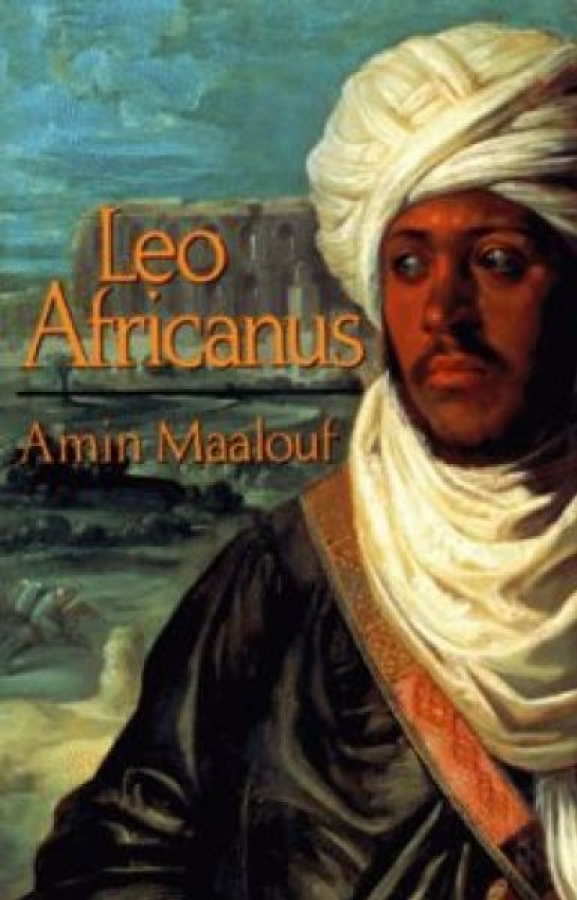
Leo the African
Title of the original version reviewed: «Leon l'Africain»
AI Translation Notice: This review was translated from the original Italian using artificial intelligence. Book quotes and excerpts are translated interpretations and will not match the author's original English phrasing or official published translations.
Set between the fifteenth and sixteenth centuries, the novel recounts the life of Hassan al-Wazzan, known as Leo Africanus.
Forced to leave Granada following the Castilian conquest, the protagonist leads an adventurous life: first in Fez in North Africa, then in Cairo, and subsequently in Rome; he also undertakes numerous journeys, encountering widely disparate figures and milieus.
As with all the author’s novels, the unfolding narrative and the depiction of Mediterranean civilizations serve as an occasion to address the themes of religious and cultural diversity, and to envision a society where coexistence and exchange among different peoples and traditions are possible.
What also emerges is a portrait of Muslim society that is markedly more tolerant and open than that typical of Christian nations.
A prevailing sense of nostalgia pervades the work for a historical and social context—such as that of Mediterranean societies prior to the sixteenth century—that was destroyed by the fanaticism of the Christian kingdoms, particularly the nascent power of Spain, as well as by the drive for dominance of the Turkish Empire, which was likewise in an emergent phase.
From a narrative standpoint, the novel is compelling in its first part (life in Granada and Fez), only to lose its way in an acceleration of events that precipitates a decline in pacing and style.
In particular, the fourth part, set in Rome and Italy more broadly, feels rushed: the protagonist's conduct is insufficiently explored, coming across as peculiar and superficial; his embrace of Roman life and of Catholicism itself ought to have been far more thoroughly examined and analyzed.