Finished reading on: November 21, 2023
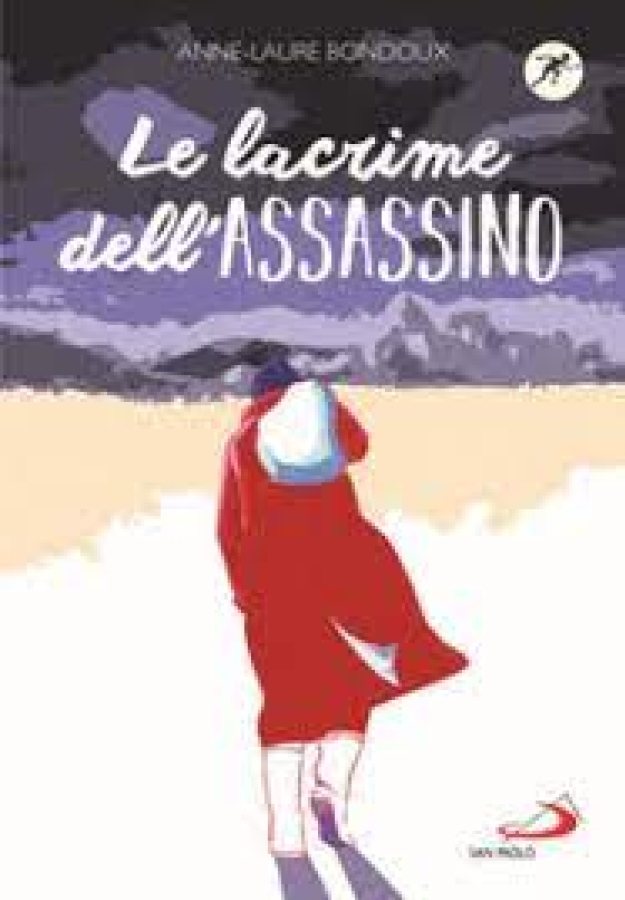
The Killer's Tears
Title of the original version reviewed: «Le lacrime dell'assassino»
AI Translation Notice: This review was translated from the original Italian using artificial intelligence. Book quotes and excerpts are translated interpretations and will not match the author's original English phrasing or official published translations.
Children are increasingly the innocent victims of war, violence, and death. One need only consider what we are witnessing today, in Ukraine and Palestine. For a child who has seen their parents murdered, is it still possible to rebuild a life? And can one forge a relationship with the killer capable of saving his soul? This novel is aimed at adolescents, yet it tackles weighty themes—unfortunately through a narrative approach reminiscent of Antoine de Saint-Exupéry's The Little Prince: bland, moralistic, implausible (see the review of The Little Prince on this site). Pablo lives with his parents in a small house in the far south of Chile,
where no one ever arrives by chance.
Angel is a killer. When taken in by Pablo's parents, he cannot help but murder them, because it is the only thing he knows how to do. While Pablo is away from the house,
out there, from the sea, dense rainclouds were rolling in. (...) Angel drew a knife and plunged it into the man's throat, then into the woman's. On the table, wine and blood mingled, staining red all the deep cracks in the wood.
Angel does not kill Pablo.
Sparing the brat made him feel relieved. And, besides, he could send him to the well to fetch water.
Over time, a complex relationship develops between Angel and Pablo; it is a bond of mutual dependence: for Angel, it is the first time he has ever felt affection for anyone; for Pablo,
Angel is the only person who cared for him, fed him, gave him the fox (which they had taken in when it was still a cub), (...) in a world where only the dead can rest, the living must grit their teeth and endure their existence.
One day, walking across the vast and desolate Chilean countryside, Pablo and Angel come across an isolated house in a forest, where an old woodcutter lives. Here, they could live in peace; the goodness inherent in every man could even express itself in Angel.
There are very discreet metamorphoses, said the old man; those that happen to our soul, for example, are not always visible. (...) Angel seized the knife hidden in his pocket; he felt the handle between his fingers. (...) He stepped toward Pablo. (...) He laid his eyes on Pablo. (...) “Here,” he said, “this is for you.” The silence was absolute. The knife blade reflected the flicker of the candles.
We can rediscover peace and brotherhood if even the worst of murderers can love a child.
An important theme is handled in a superficial and ambiguous way. First and foremost, it is implausible that a child who witnessed the murder of his parents could overcome the trauma as easily as Pablo does: this trivializes Evil, reducing it to something inconsequential. Secondly, love cannot save the soul of a wicked man unless he acknowledges his guilt and seeks forgiveness. Weeping and making a noble gesture are not enough.
Why not read it? It is false.