Finished reading on: September 01, 2022
The Balcony-Access Tenement
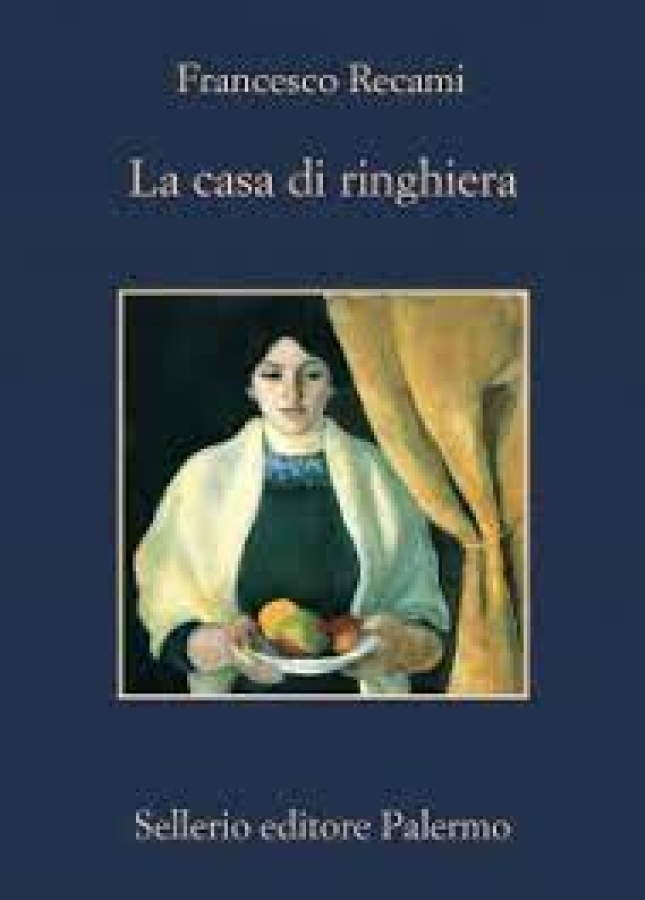
Title of the original version reviewed: «La casa di ringhiera»
AI Translation Notice: This review was translated from the original Italian using artificial intelligence. Book quotes and excerpts are translated interpretations and will not match the author's original English phrasing or official published translations.
Amedeo Consonni, the novel's protagonist, has been retired for many years and lives in Milan in a casa di ringhiera, built at the beginning of the twentieth century around a rectangular courtyard and now housing twenty flats. It is a «curious microcosm» bearing traces of industrial architecture, today severely deteriorated: crumbling stucco, dilapidated plaster, window frames—traditionally wooden and now replaced by others in anodized aluminum, in silver and brass tones—not to mention the numerous TV satellite dishes mounted on the railings, imparting a sense of globalized «squalor»
. On the surface, Consonni’s life is typical of a retired widower: tidying his small, comfortable flat each day, going to the supermarket and cooking his meals alone, reading the newspaper accompanied by an afternoon nap, exchanging a few words with the neighbors, and looking after his young grandson on Tuesdays and Thursdays. But Consonni harbors a strange hobby: he loves collecting crime news, cutting out any article concerning murders from the papers and archiving these clippings in binders meticulously ordered by crime. Over time, he has begun investigating in the field unbeknownst to the police. Alongside Consonni’s pastime, somewhat perverse yet harmless, Recami depicts the other inhabitants of the tenement: in particular, a family of four (father, mother, and two boys), where the man is frequently drunk and violent, the eccentric and noisy couple next door, and the octogenarian madly devoted to his old car. From reading this detailed and fascinating portrait of this
microcosm
one might think we are in the presence of a novel of manners in which the detective plot is merely a device; Consonni’s investigation into a recent, savage, and mysterious crime is intriguing, yet the narrative seems aimed more at describing the character than at offering us the suspense and intrigue expected of a noir novel. When, suddenly, the murder of a female tenant sets off a shocking and astonishing sequence of events, entangling the inhabitants of our microcosm. Without giving away the ending—a genuine plot twist—we can say that the unfolding of events confirms how we Italians, all of us, even children, have, or think we have, something to hide, and in any case want to say nothing to the police.
I read the novella
in one breath". In the first part, I was captivated by the physical and social setting of the casa di ringhiera, almost suspended out of time: one need only think of the minute description of Consonni’s apartment with its nineteenth-century wallpapers, or the rivalries and petty slights over parking in the courtyard. In the second part, the narrative pace gathers speed and we cannot put the book down, eager to read the next episode. The narration is punctuated by suspenseful hints of dramatic twists, skillfully crafted to fuel the desire to press on, much like in a serialized novel. The prose is refined and succeeds in blending everyday speech with dialectal idioms, thereby conjuring the nostalgic atmosphere that pervades the tale. It is a minor gem that marries the novel of manners with noir, alongside a pleasing vocabulary and elegant syntactic construction.
Why read it? It is intriguing and well written.