Finished reading on: January 03, 2008
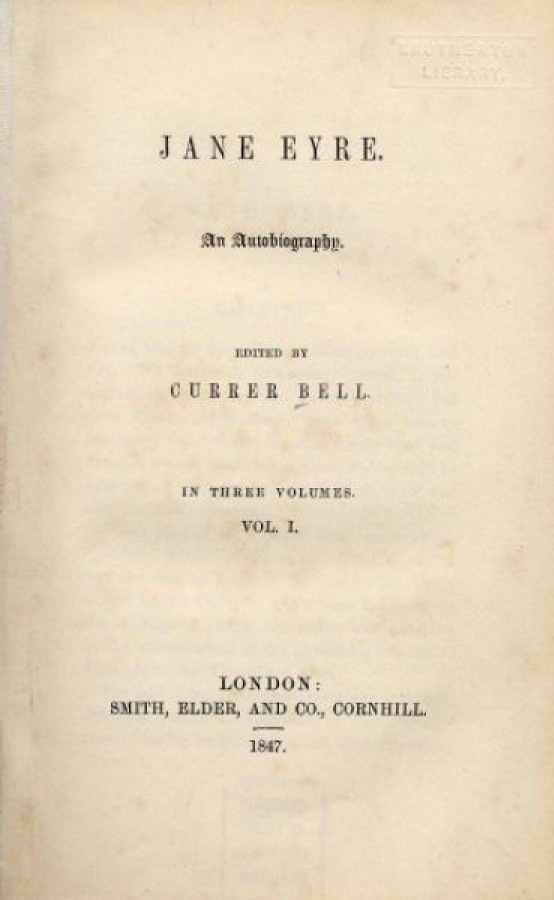
Jane Eyre
AI Translation Notice: This review was translated from the original Italian using artificial intelligence. Book quotes and excerpts are translated interpretations and will not match the author's original English phrasing or official published translations.
The book charts the emotional and existential journey of a young girl, Jane.
An orphan, she lives first with her aunt, who later sends her to a grim, austere school where she navigates adolescence to become a young teacher.
On her own initiative, she secures a position as a governess to a young girl in the household of a wealthy landowner.
He is a restless figure, constantly traveling, self-absorbed and eccentric.
Meanwhile, Jane has grown into an unexceptional-looking, diminutive, and seemingly fragile young woman, yet one possessed of a formidable strength of character.
A mutual attraction develops between Jane and the wealthy landowner, who asks for her hand in marriage.
At the wedding, however, it is revealed that the man is already married to a madwoman.
Jane then refuses any compromise and flees penniless into the countryside.
She is taken in at the home of a clergyman and his two sisters, becoming a schoolmistress in a school for the poor.
The clergyman, struck by Jane’s resolve and abilities, asks her to become his wife and accompany him on his mission.
Jane realizes this is not true love and decides to leave the home, returning to the wealthy landowner's estate to discover what has transpired.
The story concludes happily: the landowner’s wife has died, allowing the two to marry and live happily ever after.
Another theme that emerges is the critique of men who are ostensibly devout and pious, yet in reality hypocritical and cruel.
And then, in the background, lies nature, rich in atmospheric power, alongside the realm of uncanny premonitions and phantoms: the child’s terror, the sense of the unknown, the voice beckoning toward destiny.
The author demonstrates great skill in her descriptions and in the psychological examination of her characters, yet the sheer length and banality of the dialogue render the reading experience ponderous and tedious.