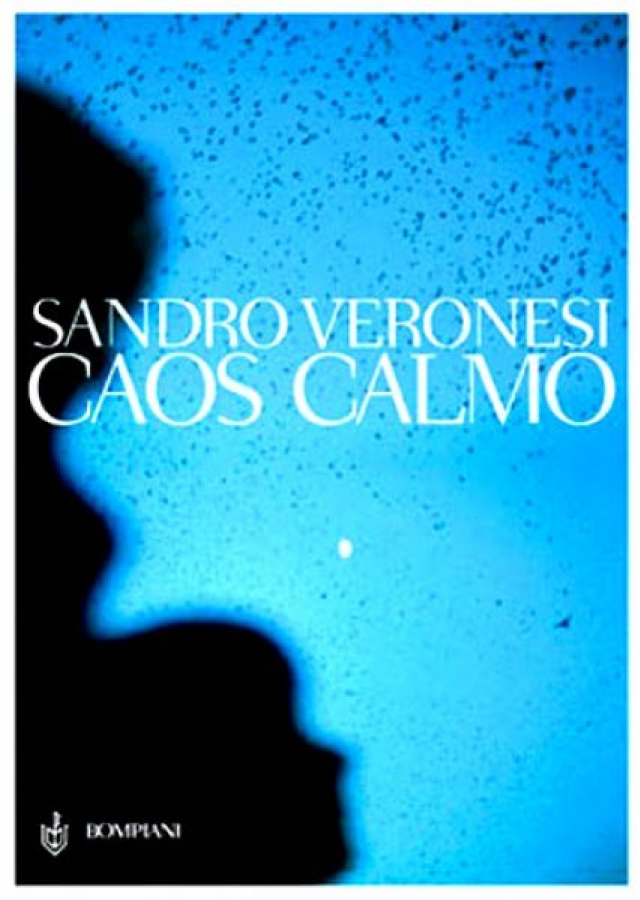
Finished reading on: October 01, 2006
Quiet Chaos
Title of the original version reviewed: «Caos Calmo»
AI Translation Notice: This review was translated from the original Italian using artificial intelligence. Book quotes and excerpts are translated interpretations and will not match the author's original English phrasing or official published translations.
If the Strega Prize has rewarded the best book of the year, one must conclude that Italian literature is in a truly dire state.
The book offers two interesting premises.
First, the theme of grief, with the difficulty of feeling sorrow over the death of a loved one.
The protagonist has indeed lost his wife, yet he exists in a state of suspended animation (hence the title Quiet Chaos), being neither shattered by grief nor capable of resuming normal life.
Indeed—and this is the second interesting premise—he decides to spend his days waiting outside his daughter’s school.
Within this vigil, his life unfolds through a series of encounters: his sister-in-law and his brother, colleagues concerned with the fallout of an ongoing corporate merger, the company’s owners, the prospective buyer himself, and other minor characters.
The protagonist remains indifferent to everything happening around him, continuing to wait for something to break this state of limbo.
It will ultimately be his daughter who points out that her classmates mock her for his constant presence outside the school, and that it would therefore be advisable for him to return to normal life.
The initial premises are therefore interesting, but they dissolve into the banality and superficiality of episodes that lack any clear connection, rendering the story fragmented, prolix, and inconclusive.
The narrative device of a first-person account—a tumble of racing words and clauses meant to convey the illogical flow of thoughts—translates into a tedious, ponderous rhythm that fails to penetrate the depths of the situations and emotions.
The themes overlap, ultimately obscuring the central issue: the processing of grief.