Scalia Cristina Cassar
Books by this author (1)
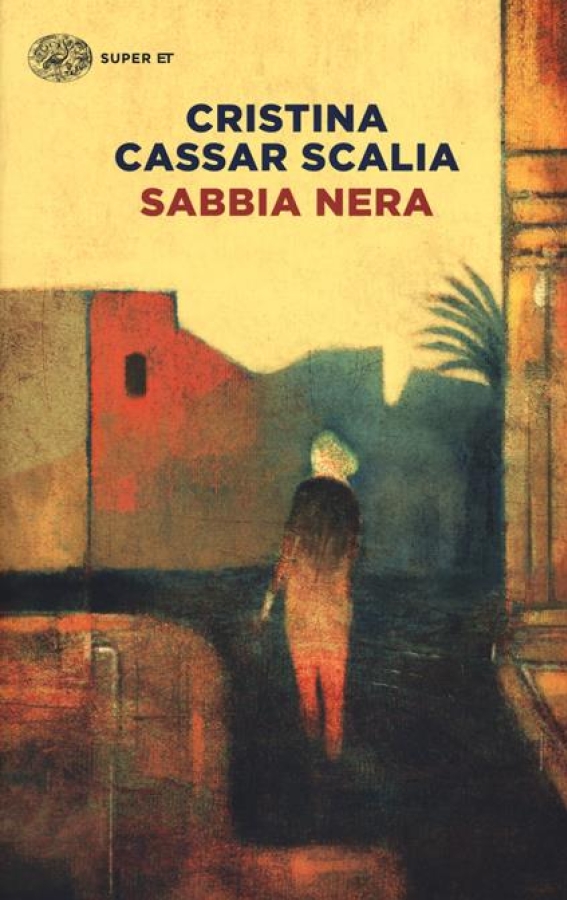
Black sand
> *La Muntagna* had awakened that morning. A dense black cloud of ash loomed over the city, enveloping it. (...) The volcanic sand fell relentlessly, forming a crunching carpet on the ground and sliding off open umbrellas... E as the sky is darkened by the ashes of Mount Etna, so Vice Questore Guarrasi must unravel the mystery of an unknown woman found mummified in a dumbwaiter of a villa on the slopes of the volcano. Transferred from Palermo's anti-mafia squad to Catania's homicide division, Guarrasi possesses that "Palermitan shell," and even as she attempts to assimilate the customs and idiom of the Etnean city, she remains at heart a Palermitana: > and a native of Palermo in Catania is convinced they could never feel at home, even if in truth that is not so . The Vice Questore is a legend within the police force, having saved a magistrate from a mafia hit by killing the hitmen; she is resolute, intelligent, and intuitive, with a penchant for complex, obscure cases that defy easy resolution. The mummified corpse is in many respects an enigma. First and foremost, her identity must be established and the time of death determined. Tracing back the threads of the affair, Guarrasi discovers a link between this body and the murder of Gaetano Burrano, which occurred some twenty years earlier and had been attributed to the mafia—supposedly in retaliation against a man who refused to yield to the syndicate's demands. But "Gaetano Burrano had been described" as someone who *arriminava* (stirred the pot), *macari* in dirty water at times > . Could there have been something more? And why did the widow, wealthy and powerful, abandon the villa following her husband's death, obstructing the investigation at every turn? *Incutto*, one might say in Sicilian of an irritating person like the widow Burrano, "one of the dialect terms that Vice Questore Guarrasi strove to learn, jotting it down in a dedicated note on her iPhone entitled 'Catanesate'." Guarrasi discovers that Gaetano financed a brothel run by the deceased woman, who was also his mistress and by whom he had fathered a daughter whose trail has long gone cold. The scandalous affair had *«i na fatta morta»* (utterly crushed) the widow: could she be the murderer? And > what if the south wind that had cleared the city of the volcanic rain had also begun to dispel the dark haze shrouding that investigation ? The impression is strong that the author intended to emulate Camilleri through Vice Questore Guarrasi, offering a female counterpart set in Sicily akin to Inspector Montalbano. Yet the flaws lie precisely in the setting and in the protagonist's characterization. Catania is sketched superficially: the motif of the ash cloud feels trite, just as the fleeting glimpses of chaotic city traffic remain inconsequential; far more engaging is the recourse to Sicilian dialect, evocative and inscrutable to unaccustomed ears. In delineating her character, the author perhaps had Alicia Giménez Bartlett’s Petra Delicado in mind (see the site's reviews of *Il silenzio dei chiostri* and *Serpenti nel Paradiso: Riti di Morte*); despite the attempt to lend depth to Guarrasi through allusions to her murdered father and her love for the magistrate whose life she saved, and notwithstanding the depiction of a solitary, disordered existence tempered by the care of a neighbor, the Vice Questore’s personality fails to enrich the narrative, lingering in the background and frequently verging on the stereotypical. The plot alone carries the story, and that is simply not enough. Why not read it? It is banal.