Roy Arundhati
Books by this author (1)
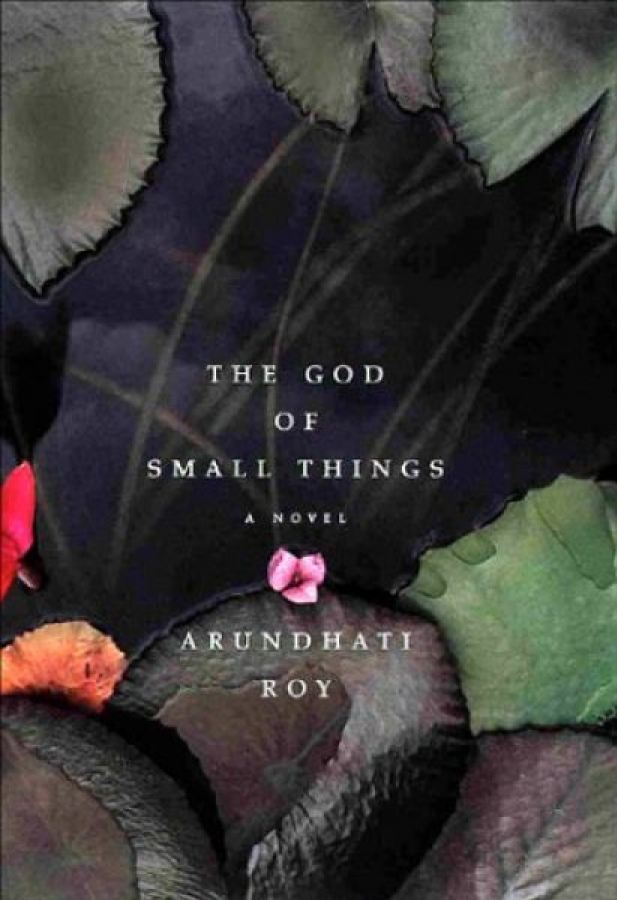
The God of Small Things
The narrative unfolds around an Indian family of the Greek-Syrian faith and takes place in a dimension that is, in some sense, timeless. The point of departure—and also of arrival—is the death of a young girl, Sophie Mol, who arrives in India with her mother to meet her father and drowns in the river during a boat trip with her cousins, the twins Rahel and Estha. This episode forms the watershed between an atmosphere of serenity and the devastation of the family, most notably the separation of the two twins. The almost symbiotic bond between Rahel and Estha is one of the book’s central themes, though more apparent than real. Indeed, none of the characters are analyzed or explored in depth; rather, they remain on the surface, at times in an exaggerated, almost caricatural form. The true protagonists of the book are “the things,” the environment surrounding the characters, in particular the river. The final chapter of the book is titled *The Cost of Living*: the anguish and precariousness that can be endured only through an attachment to small things: > Even later, on the thirteen nights that followed this one, instinctively they stuck to the Small Things. The Big Things ever lurked inside. They knew that there was nowhere for them to go. They had nothing. No future. So they stuck to the small things . The river, the flora, the insects, the birds, a boat, an abandoned house are the small things to cling to, shifting in shape and color according to one’s mood. In this sense, the small things do not reflect the human soul, its feelings and sensations; rather, they take on a life of their own in a dimension alien to Western culture, born as they are of despair. > He was exasperated because he didn't know what that look meant. He put it down to some sort of indifference, some sort of despair. He didn't know that in some places, like the country that Rahel came from, various kinds of despair competed for primacy. And that personal despair could never be desperate enough. That something happened when personal turmoil dropped by at the roadside shrine of the vast, violent, circling, driving, ridiculous, insane, unfeasible, public turmoil of a nation. That Big God howled like a hot wind, and demanded obeisance. Then Small God (cozy and contained, private and limited) came away cauterized, laughing numbly at his own temerity. Inured by the confirmation of his own inconsequence, he grew resilient and truly indifferent . The style and narrative rhythm oscillate between two extreme poles: a slow and at times muddled progression, with a lush prose occasionally reminiscent of Rushdie (without ever reaching that author’s almost D’Annunzian baroque); and sudden accelerations with a more concise sentence structure (especially in dialogue), as though conveying the author’s haste to make up for the time spent in the preceding pages. Is this style deliberate? It is difficult to say, but it undoubtedly leaves an impression of fragmentation and dispersion that weighs the book down and renders it less accessible, at least on a first reading. Undoubtedly splendid, however, are the descriptions of nature, especially for their attentiveness to its living elements: the insects and the birds.