Roberto Saviano
Books by this author (1)
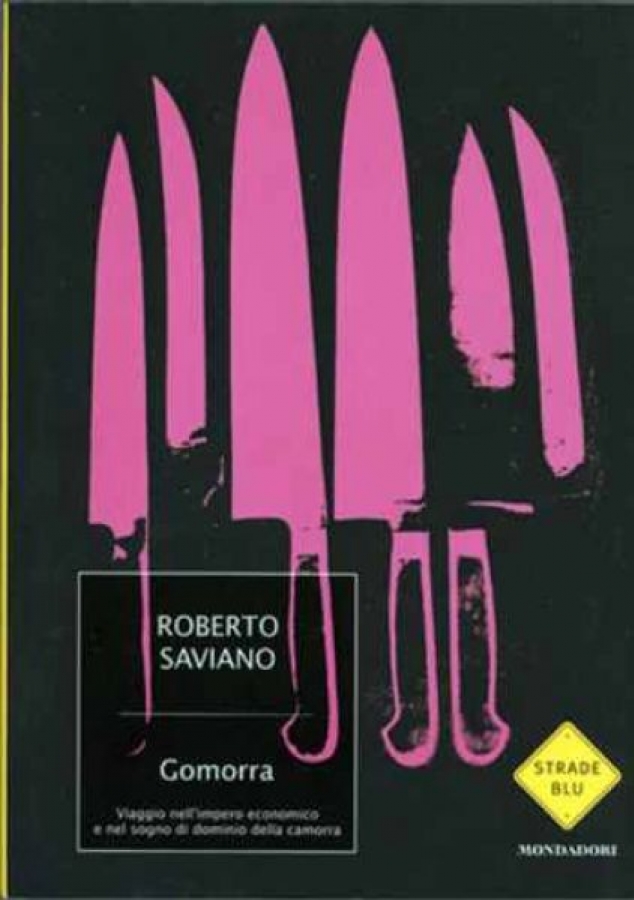
Gomorrah
*Gomorrah* is a book about the Camorra—that is, about what is known as the "System." Yet in reality, it does not merely recount criminal affairs; it investigates the deep entanglement between economy and crime, and the awakening of a consciousness toward a corrupt world against which one must rebel, first and foremost through information and denunciation. The book opens and concludes with this nexus between economics and criminality. The apparel industry, waste collection and disposal, and the building trade are all "legitimate" sectors in which major corporate groups exploit the Camorra to turn a profit and circumvent market regulations and the law. A large portion of the book is then devoted to the unprecedented, ruthless violence of the gangs and Camorra families: an unbridled war that strikes enemies and innocents alike. Now and then, isolated voices courageously emerge: a priest, a young schoolteacher, a magistrate, and so forth. The book can be read as a journey of mounting awareness regarding the state of abandonment in which Campania has been left—a condition of which all its inhabitants seem to be victims, from ordinary citizens to the criminal foot soldiers, up to the bosses themselves, whose fate appears sealed: either to be murdered or to end up behind bars, condemned to life imprisonment. Yet why does all this happen? Why has this region been turned into the cesspool for all the country’s toxic waste with the acquiescence of local elites? To these questions, Saviano seems to offer a definitive answer: > a looted wealth, painstakingly seized by someone and dragged into their own hole . This sentence encapsulates Neapolitan society, yet it holds a broader truth that concerns the entire country. The total absence of any sense of community, save for that of the clan; the cultural dependence on stereotypes (Camorra bosses imitate cinema, not the other way around); and the myth of violence are all cultural premises of a society that readily allows itself to be subjugated by dominant economic interests. In this sense, the Camorra bosses are destined to pay the price for those pulling the strings in the shadows: > the bosses who decide not to repent live off a metaphysical, almost imaginary power but > bosses always pay, they cannot not pay. They kill, they command military squads, they are the first link in the extraction of illegal capital, and this will always render their crimes identifiable, never diaphanous like the economic crimes of their white-collar counterparts . Against this state of affairs, Saviano, and a rare few others, rebel. Standing before Pasolini’s grave, the author feels he is "less alone." > And there I began to mutter my rage, fists clenched so tight that my nails dug into the flesh of my palms. I began to articulate my *I know*. The *I know* of my time... I know where the pages of economics textbooks vanish, mutating their fractals into matter, things, iron, time, and contracts. I know . And thus rises the cry of revolt: > let us not permit, men, that our lands become places of the Camorra, that they become one great Gomorrah to be destroyed . Yet can such a cry find an answer in an Italy as hidebound and stagnant as that of today?