Enrico Castelnuovo
Books by this author (1)
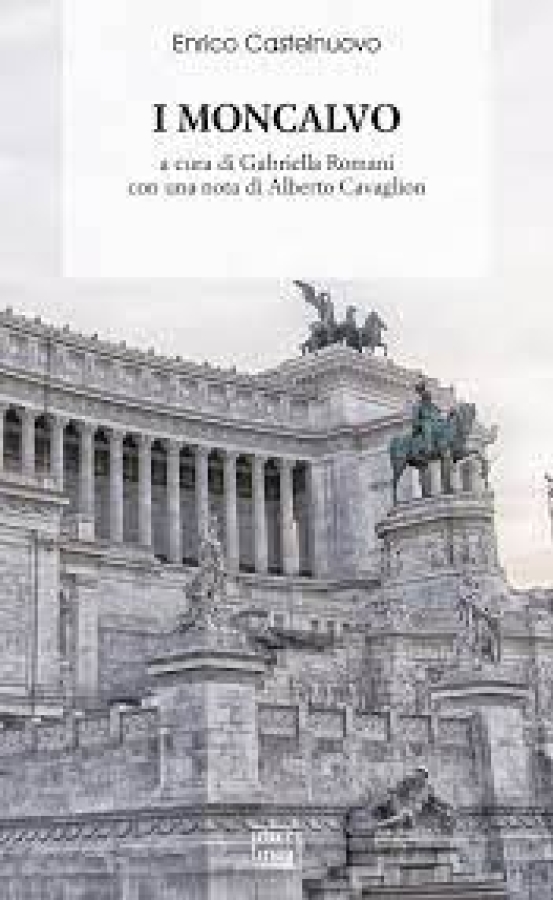
The Moncalvos
Il romanzo è ambientato a Roma alla fine dell'Ottocento. E' ancora forte la rottura tra la Chiesa e il nuovo Stato italiano, ma la frattura si va lentamente ricomponendo nel crescente clima di affarismo e nazionalismo che pervade la classe dirigente. Di umili origini, un tempo rinchiusi nel ghetto, «all'ombra delle nostre vecchie sinagoghe, isolati in un mondo ostile», i due fratelli Moncalvo, Giacomo e Gabrio, si sono affermati nella società, seguendo però strade differenti: Giacomo ha fatto una brillante carriera in campo scientifico, ottenendo riconoscimenti accademici anche se non economici, Gabrio si è arricchito enormemente in Egitto per tornare a Roma e divenire un esponente importante dell'alta finanza. Sono diversi approcci alla vita, ereditati da Giorgio e Marianina. Il primo è il figlio di Giacomo e, come il padre, è dedito allo studio e all'insegnamento, indifferente alla ricchezza, morigerato e intriso di valori morali. Marianina, figlia di Gabrio, è ambiziosa, amante del lusso e dei salotti dell'alta borghesia, pronta a tutto pur di ascendere nella scala sociale. Domina un comune «indifferentismo» religioso. I Moncalvo si sentono ebrei più per tradizioni familiari che per fede e pratica. E' un tratto ricorrente in molta borghesia ebrea, desiderosa di integrarsi e influenzata dai valori positivistici, nazionalisti e affaristici di fine Ottocento. A pregiudicare la fragile unità familiare è la conversione di Marianina al cattolicesimo per poter sposare un esponente dell'aristocrazia "nera > , so designated for its ties to the Vatican, and thereby attain the rank of princess, entering the ranks of high society. It is her parents' design, yet it is the young woman who pursues it with a determination and awareness astonishing for a spoiled, wealthy heiress. Over the course of the novel, Marianina is described as a Lucifer," a "Sphinx > , a personality both mysterious and baffling even to her own parents. To attempt to understand her character, one must dwell on an exchange between the two cousins. Giorgio is distraught with passion: she would have given him an hour of intoxication, and he, the rigid scientist, swept away by a gale of madness, asked himself whether, to attain this hour, it was not worth sacrificing his entire life." In his presumption, Giorgio believes he is offering with his love "a lifeline" to prevent his cousin from casting herself "into an abyss of cowardice and deceit," buying "a wretched coat of arms at the price of your body and your soul." > She shrugged her shoulders. You are raving (she said). (...) My heart belongs to no one. (...) We should have grown up in the old town from which our families originate, within the old enclosure that penned in the people of our race, (...) narrow in ambitions and ideas, trusting only in the mission of our people.... Then, yes, we could have married and been happy.... Today it is impossible . The emblem of a daring feminism, Marianina is a personality of the future, a modern and liberated figure. The novel ends with Giacomo's bitter reflections on late-nineteenth-century Italian society as a whole. > Almost everywhere there was a debasement of character (thinks the austere professor), a shipwreck of convictions, a cynical contempt for the heroic virtues of renunciation and sacrifice, a frantic scramble toward ephemeral honors and sudden riches... This was likely Castelnuovo's objective in writing the story of the Moncalvos, and this moralizing stamp has led many critics to label the novel as "ideological": a juxtaposition between the heirs of Risorgimento values, by then unraveling, and the new, cynically upwardly mobile social class; all steeped in melodramatic tones (witness the figure of Giorgio) and D'Annunzian inflections (how remarkably Marianina resembles Sibilla Aleramo!). It is an engaging depiction of Giolittian Italy; moreover, the novel illustrates the Jewish bourgeoisie's inclination to embrace dominant values to the extent of turning a blind eye to the racial components of Fascism. For this alone, the book would be worth reading. The enigmatic figure of Marianina offers something more, granting us a glimpse into a complex and fascinating character. The literary style is spare, distinguishing itself from the prevailing rhetoric of late-nineteenth-century Italian literature. It is a virtue not to be underestimated. Why read it? Historically compelling, with a magnificent portrayal of Marianina.