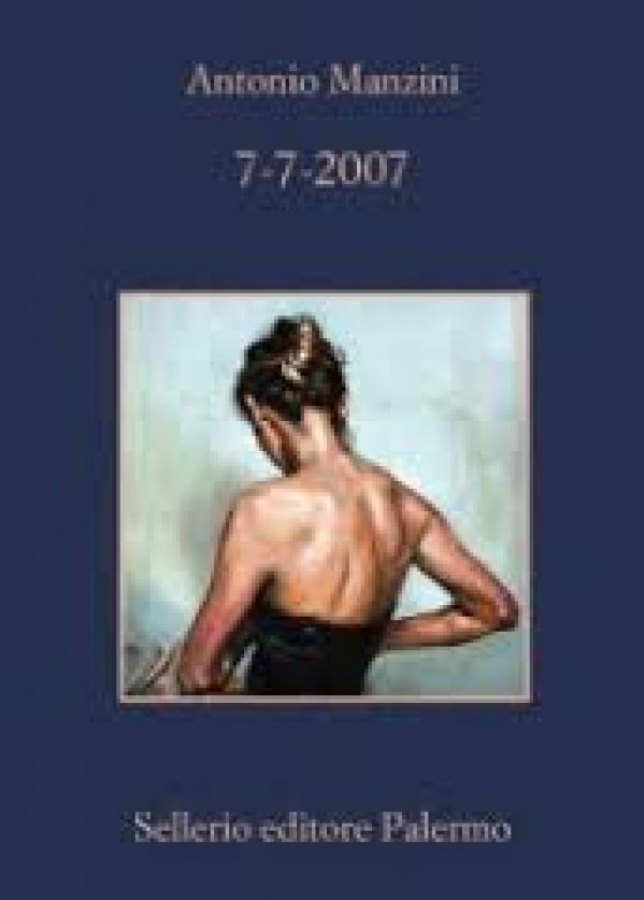
7-7-2007
In four years, from 2013 to the present day, the author has published 6 novels, all featuring the figure of Rocco Schiavone as their protagonist. Perhaps haste has precluded the necessary care: the narrative is muddled, intertwining the noir genre with personal stories and depictions of social contexts without ever arriving at an effective synthesis. We are in Aosta; a woman has been murdered in the protagonist's apartment. In the lengthy interrogation that ensues, Deputy Police Chief Rocco clarifies the backstory, albeit not entirely. Back in Rome, he had led an investigation into the brutal murder of two youths. Drugs are involved, but we will not delve into the details, leaving it to the reader to discover how Rocco manages to untangle the affair. Alongside the main plot, numerous narrative windows open up, chief among them the tormented love affair with his wife and the close friendship with three childhood companions. Marina > was beautiful. With focused eyes, teeth barely biting her upper lip, hair gathered in a bun held by a pencil, or was it a chopstick? Beautiful, in her immaculate white coat reflecting the lamp's light and creating a halo all around her. Her hair looked blonder and the few specks of dust dancing around her face seemed like stars and comets . Marina left home when she learned that Rocco was corrupt: he had exploited his position as deputy police chief to enrich himself. Responsible for these petty dealings are his childhood friends: a sort of Three Musketeers, congenial, hearty eaters and drinkers, always ready to help their pal, but genuine scoundrels—terrible company for a police officer. It will be Marina who returns home, because she loves Rocco and accepts him as he is. The reconciliation between the two is one of the novel's many disappointments. Consider this dialogue: > Marina stroked his chest. Did you really have to close your eyes to come back home? (Rocco) A little. Now they are wide open and I see beside me the man I love and whom in all likelihood I will always love (Marina). I have an erection (Rocco). Could you for once think of something else? (Marina) Like what? (Rocco) . In short, for Rocco it was all just a matter of sex! Why draw us into a love story if everything boils down to a trite and resigned acceptance on the woman’s part? Rocco manages to find the culprits; behind the murders lies a powerful criminal syndicate which attempts to assassinate Rocco, killing Marina instead. That July of 2007 > had been strange days. Days of heat and sudden downpours, of anxiety and, above all, of stench. The stench of basements, the stench of violent deaths, of vile people, crouching in the sewers, ready to strike... A noir novel demands an intense narrative pace; the reader must be gripped by the plot, participate in the investigation, or be swept along by events and their tension. All of this is missing from the book: sluggish, often predictable, cluttered with unnecessary characters and subplots, the story is trite and dull. The “three musketeers” serve in vain as foils to the protagonist: Rocco, let us be frank, is a failed Marlowe, a character incapable of sustaining the assigned role of the corrupt yet decent cop, an avenger on his own terms. The writing also contributes to the novel's failure; the excessive use of full stops and the frequent recourse to dialogue fragment the narrative, rendering it more akin to a screenplay than to the prose flow of a narrative, which requires room for description and psychological depth. How is it possible that this novel has topped the Italian bestseller lists for weeks? Why not read it? It is tedious and banal.